
“I don’t want to protect the environment. I want to create a world where the environment doesn’t need protecting.”
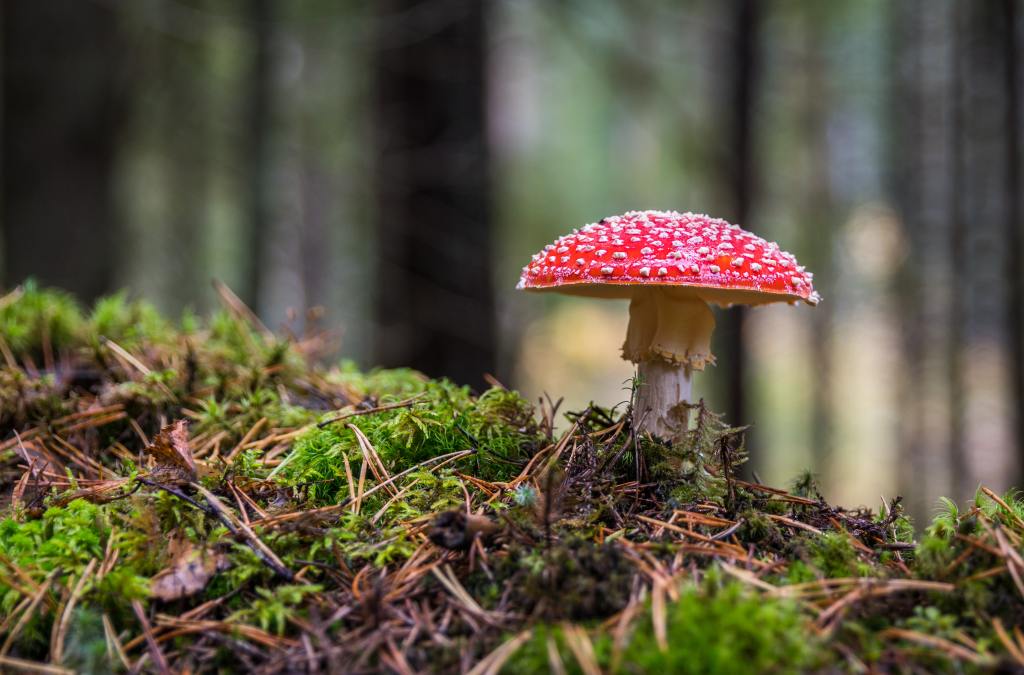
So what is sustainability anyway?
Sustainability is a collective aspiration to use our resources thoughtfully and responsibly, without depleting them for future generations. It involves living in harmony with nature by making conscious choices in our daily lives. These choices can include what we consume, how we travel, and even what clothes we wear.
Picture this…
Imagine a world where there are no flowing rivers, no oceans teeming with life, and no forests filled with critters. This sad reality could become our future if we continue to live as we are. That’s why it’s crucial for all of us to take collective responsibility and adopt sustainable habits in our everyday life. You might be thinking, “I’m just one person. It won’t make a difference if I use plastic straws instead of eco-friendly ones.” But the problem with this perspective is that many people have it, and this attitude collectively can have a significant impact. So, remember that one person does indeed make a difference in the grand scheme of things.
“It doesn’t have to be difficult, costly, or time-consuming. The resources and products to solve most of our generational problems already exist. However, they are not advertised as much because they are not as profitable for those at the top. If we all became self-sufficient and sustainable, we wouldn’t need big corporations or companies to fulfill our basic human needs. They would lose control.”

Sustainability is about the harmonious relationship between humans and nature. It involves giving back to the environment more than what we take and making conscious choices in our daily consumption.
Let’s look at some examples of ways you can practice sustainability in your own life:
Kitchen Sustainability- It’s no secret that the kitchen is where most of our trash accumulates from. From plastic Ziplock bags, one use containers, to food scraps and waste. We can fix this problem by buying reusable products to begin with. – For example: These cute reusable beeswax wraps to keep your food fresh or wrap your lunch for the next day.
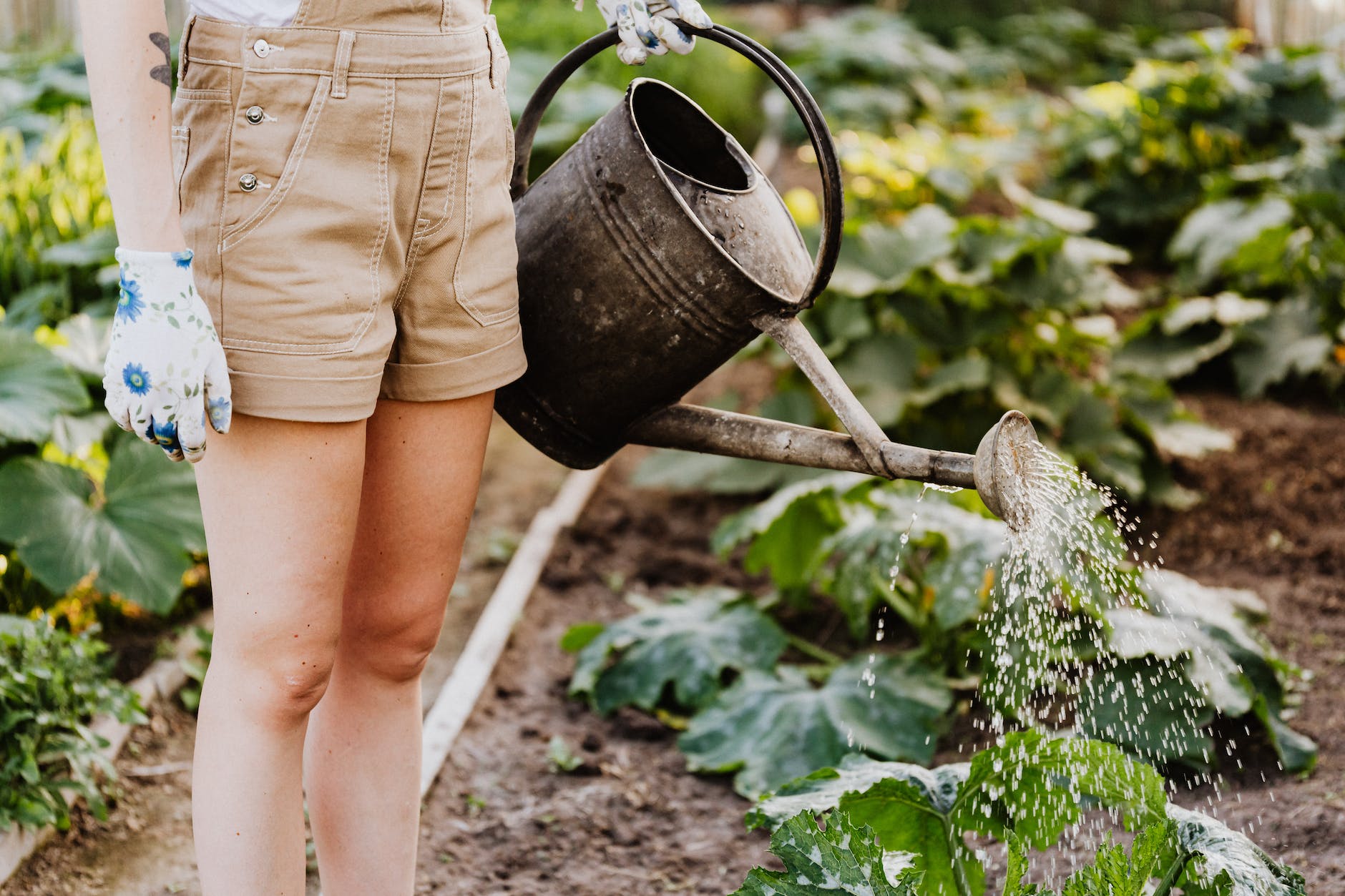
Gardening- Yes! Growing your own food is definitely a sustainable practice. Can you imagine how many natural resources are wasted just getting that apple to you- the consumer? By growing our own food- we skip all the middle man stuff and get straight to the point, Not to mention- You will have peace of mind knowing exactly where that produce came from… If you think you don’t have the space to start a garden…. Let me tell ya, you’re wrong! I recommend you check out this indoor hydroponic system! Affordable and takes up little space.
- Composting- Less waste ending up in the landfills = less pollution in our air and water sources. It helps give structure to your soil by putting beneficial micro organisms that plants need to thrive back into the dirt. This also reduces the need for pesticides and harmful chemicals being sprayed directly on the food we eat. To do this is super simple- Just save your scraps in a bin (I use this one because I don’t have a lot of space)- make sure you are adding nitrogen (Think vegetable trimmings, coffee filters, dead flowers, grass clippings, etc.) and carbon (Think paper, egg cartons, toilet rolls, ash from your fireplace, etc.) preferably in an alternating pattern- and make sure turn the compost every few days until the bin is full. Then you can let nature do the rest. Eventually you’ll have some nutrient dense soil to feed back to your little slice of earth! (Or sell it off to your neighbors!)

Reduce, Reuse, Recycle– This should be a no brainer. And it doesn’t have to be hard! Instead of throwing whatever you have in the trash- look to see if maybe its recyclable! It will have a recycle sign on the product somewhere! I live in a camper, so i bought these recycling bins that made it super easy for me to cut down on household trash and give back instead of contributing to landfill waste. If it isn’t recyclable- maybe there is way you can reuse it for something you might need. For example- I love using old candles as vases for flowers, or egg cartons for seedling trays!
Energy Resources– Some examples of sustainable energy sources are solar, hydro, wind, tidal, geothermal, and biomass. The most accessible option for the average consumer is solar- It truly doesn’t cost much in the grand scheme of things, and can really cut down on that energy bill! Save the planet, pay less $! Win, Win! This solar panel set up is super affordable and portable!
Cut down on water consumption/collect rainwater– It takes a lot of gas, money, and resources to get that little Dasani bottle in your hands. And it’s ultimately just packaged tap water. Try saving water by taking shorter showers, or turning the sink off while you brush your teeth. Sounds simple because IT IS! On top of cutting down consumption- Maybe you want to look into rain catchment systems to install at your own home. This is the definition of renewable!!! Some states have laws surrounding the use of rain catchment systems so just be sure to do your research first!

Getting Around– Okay… Not everyone can afford a tesla… But there are other options to reduce the use of nonrenewable resources other than just driving hybrid cars. This includes carpooling to work, taking the bus, or maybe investing in a bicycle to get around. If you do this, there’s no doubt you’ll have some killer quads!
Sustainable Fashion– The fashion industry is a huge player in the worlds overall carbon footprint. “Today, in fact, fashion accounts for up to 10% of global carbon dioxide output—more than international flights and shipping combined, according to the United Nations Environment Programme. It also accounts for a fifth of the 300 million tons of plastic produced globally each year. “ But don’t panic! There’s a way to solve this too. By paying attention to the brands we support, and the products we buy. Some of these big companies only care about one thing… Money. So that means they are looking to sell the cheapest material, with the cheapest labor, for the highest profit for themselves. So by supporting sustainable and eco friendly fashion – You are in turn supporting the planet. Some great examples of eco-friendly fashion companies are Pact, Reformation, and Made Trade!
So there you have it!
Sustainability isn’t hard. It is a necessary goal for each one of us- to save the world as we know it now. To rewrite the way we as a human race interact with nature and our environment. I hope that these examples inspire you to be more conscience in your everyday choices- And to think about your roll in creating a sustainable future for all.
If you have any comments or questions, please don’t hesitate to reach out! Thanks for stopping by ❤
 Native Grounds Farm
wonderful post! some great advice here, thank you!!
LikeLike
Thank you so much for reading 💓
LikeLike