
Pollinators are a crucial part to nature. Plants use pollen to produce a fruit or seeds. When pollinators come to feed on nectar and pollen, then go to visit anther flower- they transfer the pollen from one flower to the other assisting in the reproduction of that plant.
Some examples of great pollinators:
- Bees
- Butterflies
- Humming Birds
- Beetles
- Bats
- Moths
- Birds
- Flies
There are a lot of very beautiful plants that can attract these beneficial creatures to your garden! Some plants attract one species more than the other- so if you dream of having tons of butterflies flutter by you in your garden that is totally possible! Or maybe you want to make your own hummingbird sanctuary! You can pick and choose the plants to fit those pollinators needs to attract more of them to your garden! It’s best to include a variety (5-10 different kinds) to optimize results.
Some great examples of pollinator plants include:
Milk Weed- These are host plants for monarch butterflies (which are considered endangered). They use the leaves to lay their eggs, and once those eggs hatch they feist on the plant. Bees and hummingbirds also use this flower as a source of nectar.


Calendula- Commonly called pot marigolds, these flowers are great grown in beds or borders. The bright colors are sure to attract some beautiful pollinators. They make incredible cut flowers for arrangements! This beauty can also be made into a tincture or ointment to treat burns, bruises, and cuts.
Marigolds- Hardy annuals that love direct sunlight! They represent strength and power- while being an amazing companion plant for your garden. They will ward off pests from the rest of your garden!

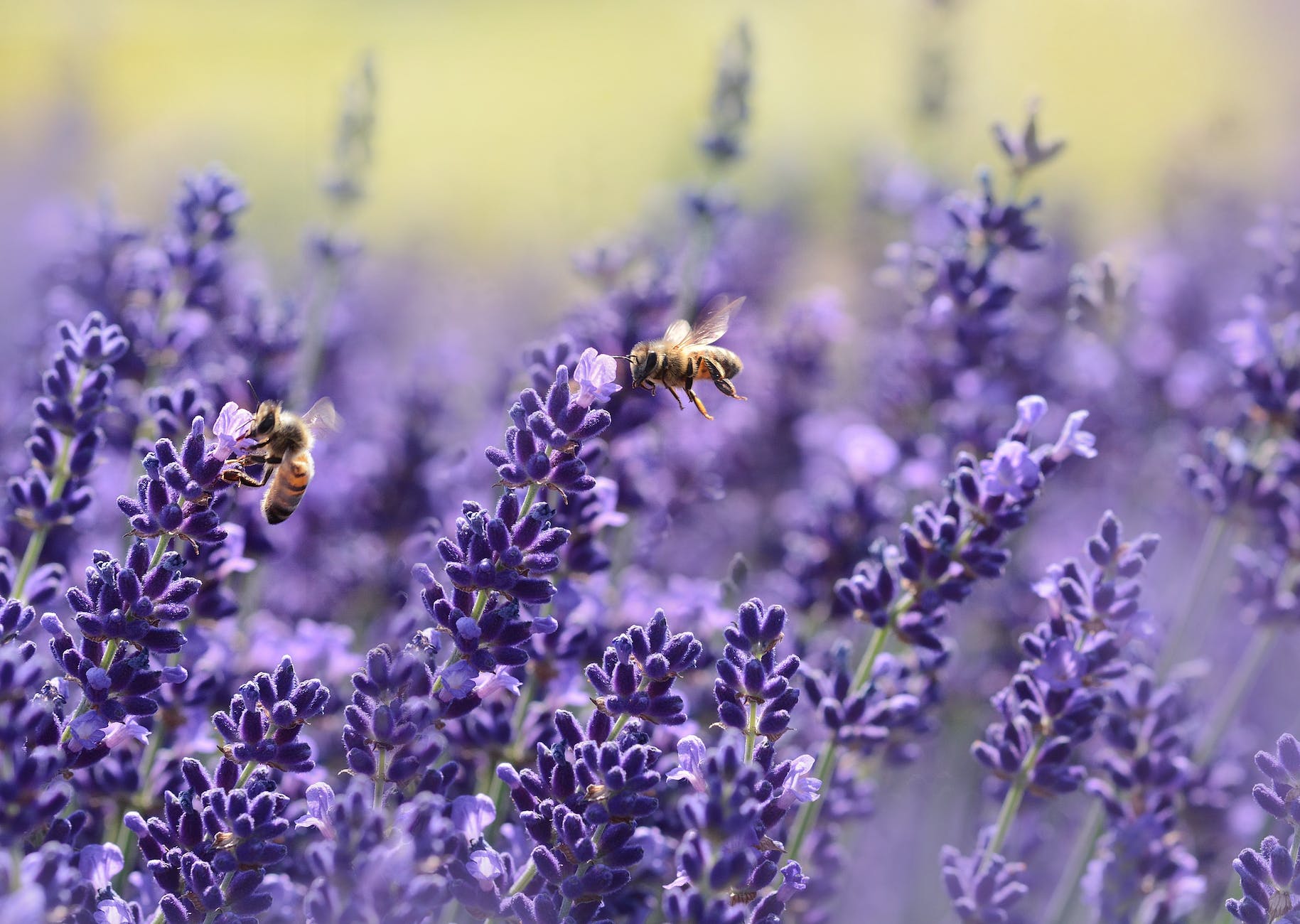
Lavender- There are hundreds of varieties of lavender but they all attract those busy bees! They not only benefit our pollinators but they also hold medicinal qualities for us humans too. It can be used in aromatherapy to treat headaches and exhaustion- or as a topical to treat skin aliments such as eczema or acne!
Cosmos- These annuals will bloom from summer to fall- and can do well in poor soil conditions. They are drought-tolerant and can handle heat well. If you put them somewhere you don’t mind them staying- they will reseed themselves and you will have them come back every year! As long as you are growing organically- You can use the petals as a garnish for salads or baked goods!

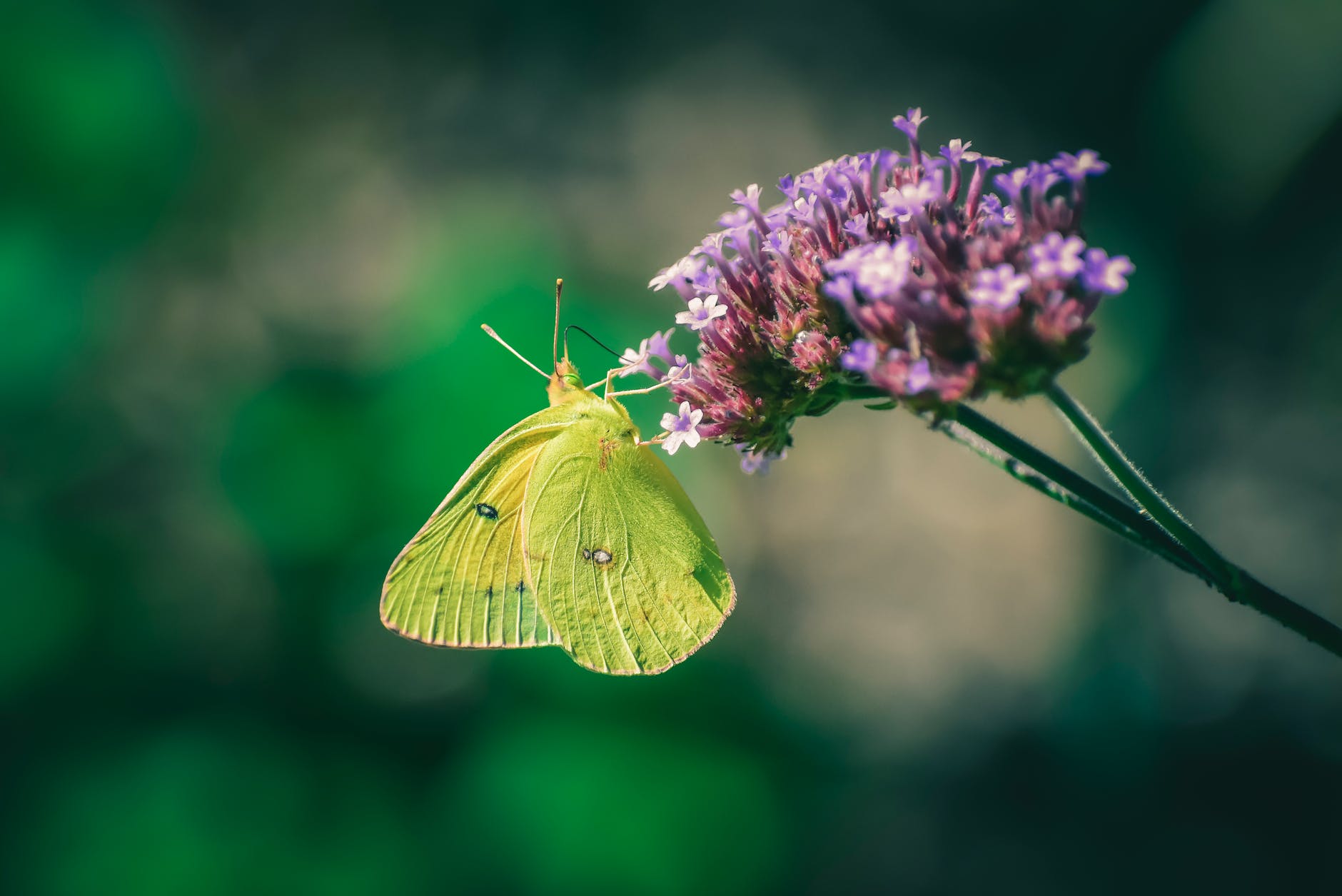
Vervain- These perennials have long flowering periods, and they aren’t too fussy about living conditions. It is also a very medicinal plant. The roots and flowers can be used as a diuretic – and for treatment of headaches, circulatory issues, and insomnia!
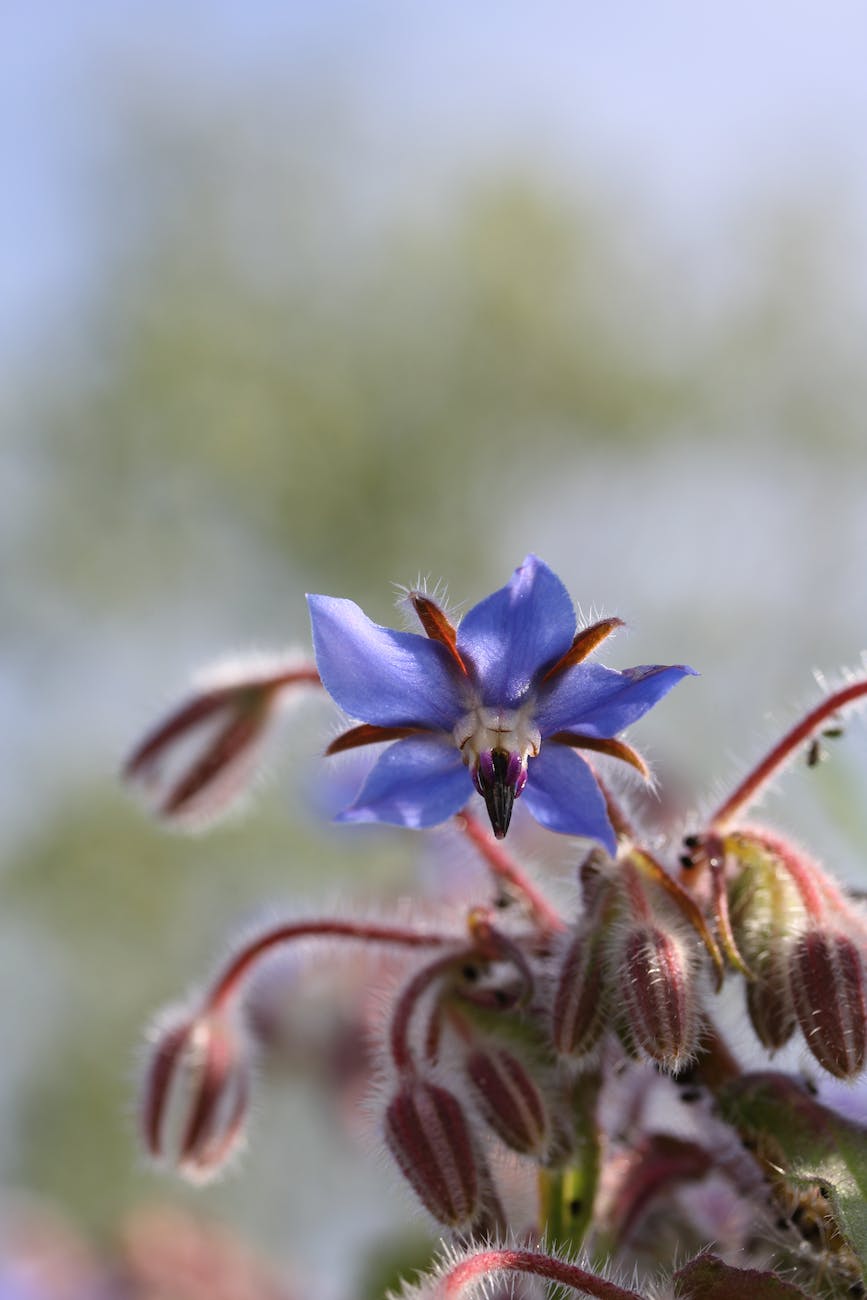
Borage- This is one of my personal favorites! The blooms truly glow in the light. I grew some in containers this year and they turned out beautifully! The best part about them is that the flowers are edible and high in vitamin C- they have a slight cucumber taste! Medicinally they can be used for fevers, coughs, and depression.

Sunflower- Everybody knows the good ole sunflower. These beauties will grow pretty tall so make sure you have the space to care for them! The seeds are obviously edible- or you can allow them to drop and reseed themselves- If the birds don’t get them first! They exhibit a behavior called heliotropism which is really just a fancy way of saying they follow the sun throughout the day.
Zinnia- These hardy annuals are super easy to grow! They benefit tremendously from deadheading. So the more dead blooms you cut- the more you get out of it! They prefer to have at least 6 hours of direct sunlight. While attracting beneficiaries (like hummingbirds) they reduce pests such as whiteflies.

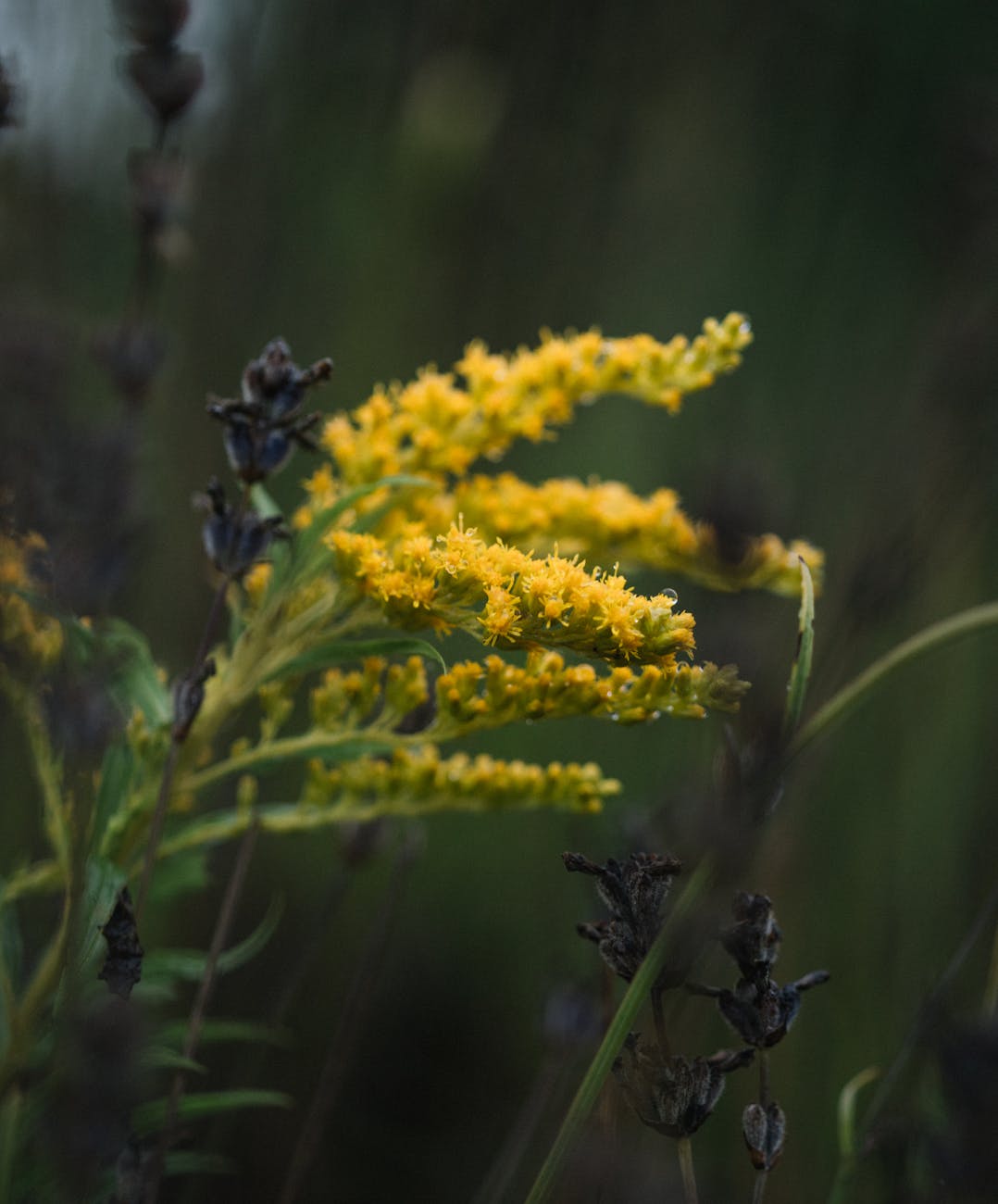
Goldenrod- Another medicinal powerhouse- the Native Americans used this plant to help relieve sore throats and toothaches. These are perennials and are considered a “weed” to most- But they are incredible natives for pollinators. They bloom in the summer and can last through the fall.
Bee Balm- Another perennial native that is a favorite to- you guessed it- bees! This flower is also a medicinal that is great for use in teas. It can help with digestive issues, nausea, bloating, and sore throats! It is also a nervine tonic- meaning its great for the treatment of stress and anxiety.

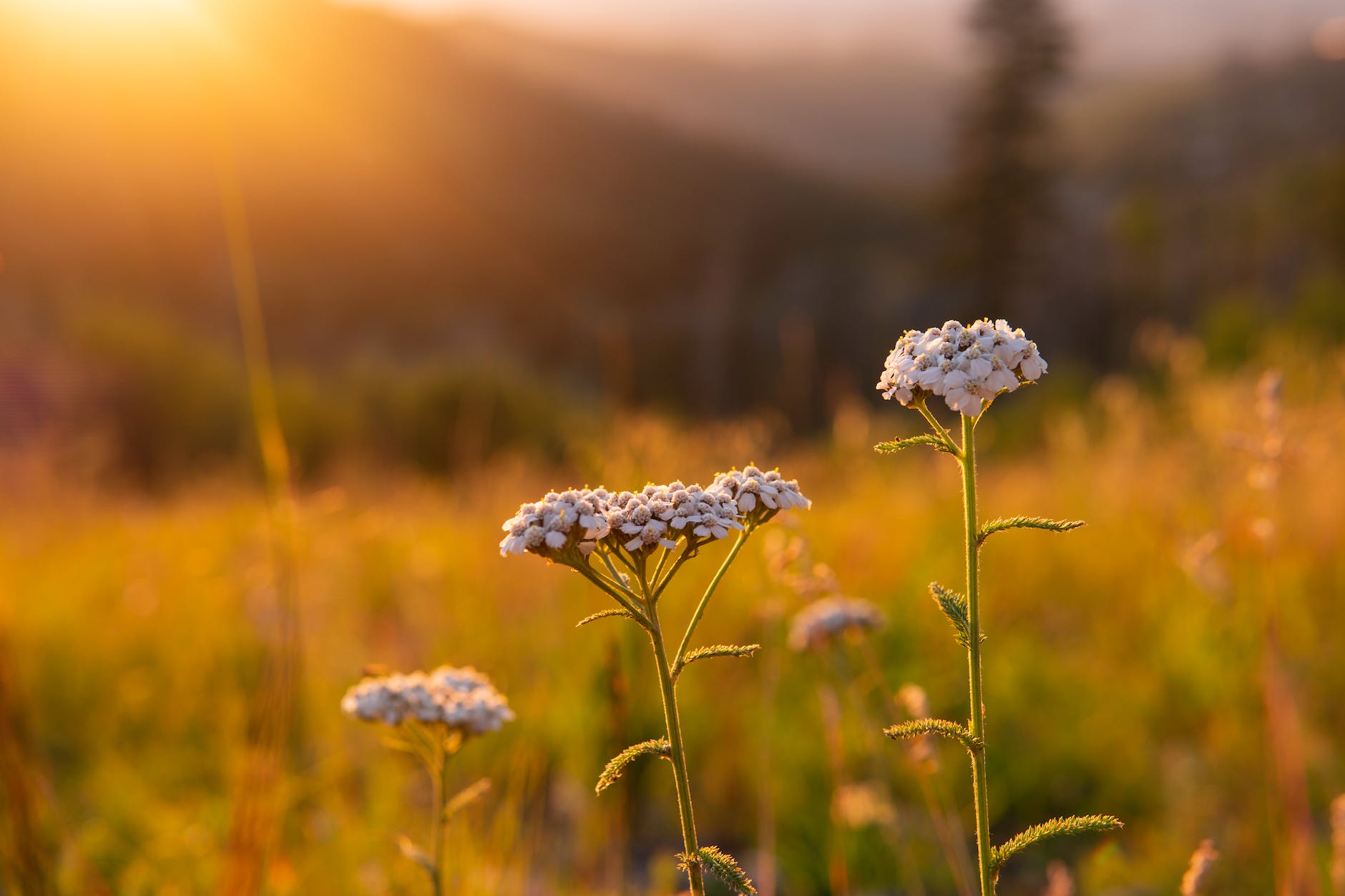
Yarrow- This is a perennial that is deer-resistant! They make great cut flowers for arrangements. They contain flavonoids- so they are great for increasing saliva and stomach acid to help with digestive issues. It also acts as an anti-inflammatory and antioxidant when applied to the skin.
Pollination is a very important process in nature, and life. Many plants in nature cannot reproduce without pollinators exchanging pollen from one flower to another. Without it, those flowers don’t produce fruit or seed. These creatures literally sustain our eco-systems and are a key to our survival as a species. By being conscious about planning our gardens – and bringing in plants that feed those pollinators- We become a key part of that system too.
Thank you for stopping by and reading my content! I truly appreciate the support. If you have any comments or questions- please feel free to drop them in the section below. I would love to hear from you! Happy Gardening ❤
 Native Grounds Farm
2 Comments Add yours