
Depression is a mental health disorder that affects millions of people around the world. It is characterized by feelings of sadness, hopelessness, and a loss of interest in activities that were once enjoyed. Depression can be caused by a variety of factors, including genetics, environment, and life events.
It is important to note that while herbs can be beneficial in alleviating the symptoms of depression, they should not be used as a substitute for professional medical treatment. If you are experiencing symptoms of depression, it is important to speak with a healthcare professional to determine the best course of treatment for your specific needs.
Herbs have been used for centuries to help alleviate the symptoms of depression.
Here are some herbs that are commonly used:
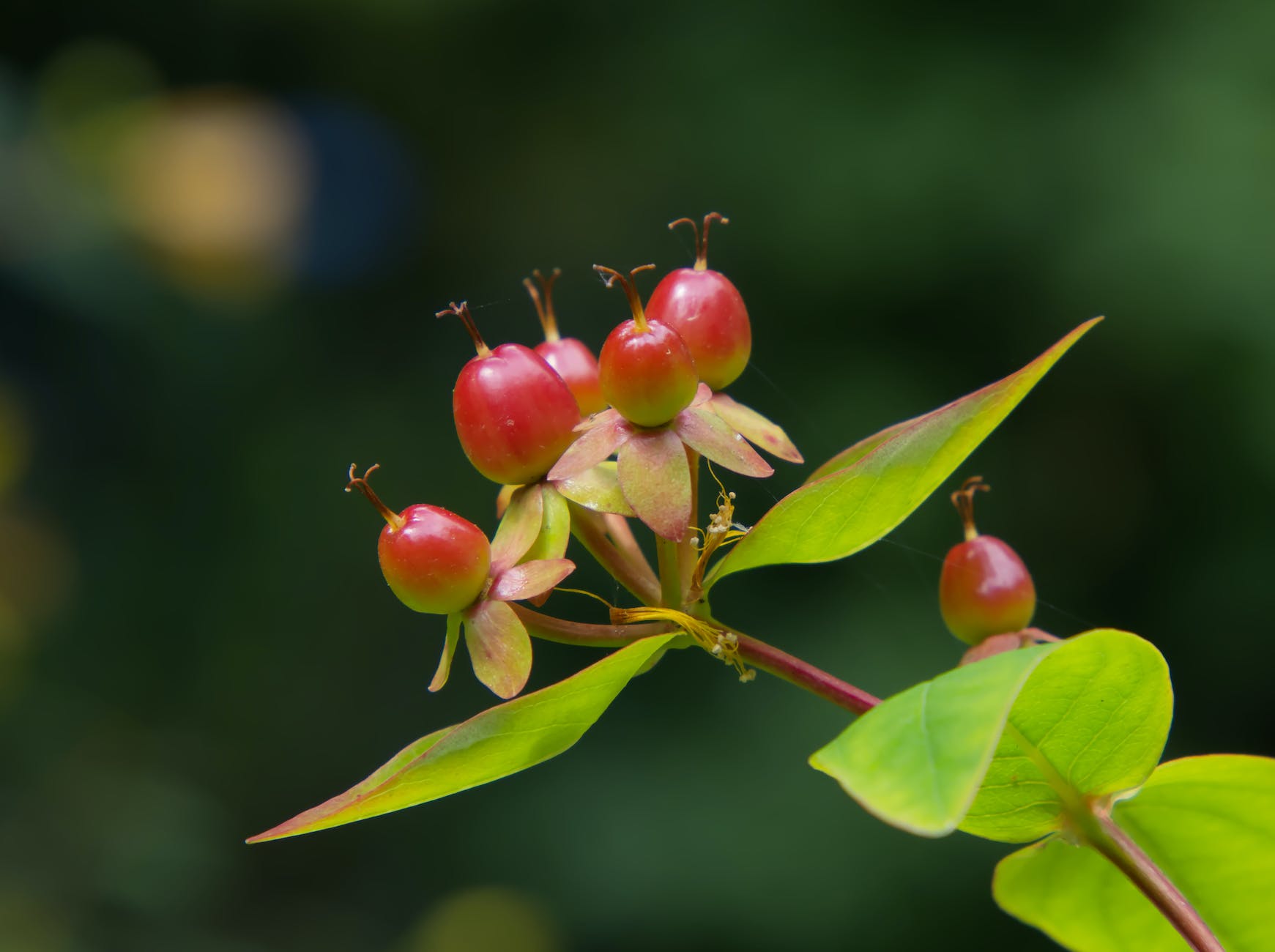
St. John’s Wort: This herb is considered one of the most effective natural remedies for depression. It is believed to work by increasing the levels of serotonin, dopamine, and norepinephrine in the brain.
St. John’s Wort is a herb that has long been used as a natural remedy for depression. It is believed to work by increasing the levels of serotonin, dopamine, and norepinephrine in the brain, which are all neurotransmitters that play a role in regulating mood.
Studies have shown that St. John’s Wort can be effective in treating mild to moderate depression. A meta-analysis of 29 studies found that St. John’s Wort was more effective than a placebo in treating depression, and was just as effective as some prescription antidepressants, but with fewer side effects 1.
However, it is important to note that St. John’s Wort can interact with certain medications, including antidepressants, birth control pills, and blood thinners. It can also cause side effects such as dry mouth, dizziness, and gastrointestinal symptoms.
It is important to talk to a healthcare professional before taking St. John’s Wort, especially if you are taking any medications or have any medical conditions. St. John’s Wort should not be used as a substitute for professional medical treatment for depression.
Overall, St. John’s Wort can be a natural alternative to prescription antidepressants for those with mild to moderate depression, but it is important to use it under the guidance of a healthcare professional.
Lavender: Lavender is known for its calming and relaxing properties. It can help reduce anxiety and promote a sense of well-being.
Lavender is a herb that has been for properties. It is believed to work by promoting the activity of GABA, a neurotransmitter that helps regulate mood and anxiety.
Studies have shown that lavender can be effective in reducing anxiety and promoting relaxation. In one study, participants who inhaled lavender oil had a significant reduction in anxiety compared to those who inhaled a placebo 1. Lavender has also been shown to be effective in reducing symptoms of generalized anxiety disorder, post-traumatic stress disorder, and other anxiety-related conditions 2.
Lavender can be used in a variety of ways to promote relaxation and reduce anxiety. It can be inhaled through aromatherapy, added to a warm bath, or used in massage oil. Some people also drink lavender tea for its calming effects.
While lavender is generally considered safe, it can cause skin irritation in some people. It may also interact with certain medications, so it is important to talk to a healthcare professional before using lavender if you are taking any medications.
Overall, lavender can be a natural and effective way to promote relaxation and reduce anxiety, and can be used in a variety of ways to suit individual preferences.

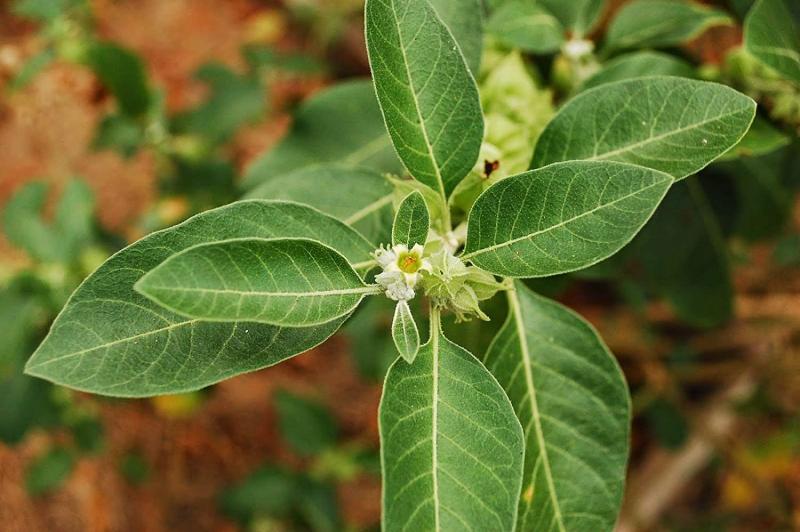
Ashwagandha: Ashwagandha is an adaptogenic herb that can help the body cope with stress. It is believed to work by reducing the levels of cortisol, which is a stress hormone.
Ashwagandha is a medicinal herb that has been used for centuries in traditional Ayurvedic medicine to treat a variety of health conditions, including stress and anxiety. As an adaptogen, it helps the body adapt to stress by reducing the levels of cortisol, a hormone produced by the adrenal glands in response to stress.
Research suggests that ashwagandha may also have other health benefits, such as reducing inflammation, improving brain function, and boosting testosterone levels in men. However, more studies are needed to confirm these potential benefits.
It is important to note that while ashwagandha is generally considered safe, it may interact with certain medications and should not be used by pregnant or breastfeeding women without first consulting with a healthcare provider.
Chamomile: Chamomile is a natural sedative that can help reduce anxiety and promote relaxation. It is also believed to have anti-inflammatory properties.
Chamomile is a herb that has been used for centuries to promote relaxation and reduce anxiety. It contains apigenin, a flavonoid that is believed to have a mild sedative effect on the body, which can help promote relaxation and improve sleep.
In addition to its calming properties, chamomile also contains compounds with anti-inflammatory and antioxidant effects, which may help reduce inflammation and oxidative stress in the body. This is why chamomile is often used to help soothe digestive issues, such as upset stomach and bloating.
Chamomile can be consumed in many forms, including as a tea, capsule, or essential oil. While it is generally considered safe, it may interact with certain medications and should be used with caution by people with allergies to plants in the daisy family. As with any herbal supplement, it’s important to talk to your healthcare provider before using chamomile to make sure it is safe and appropriate for you.

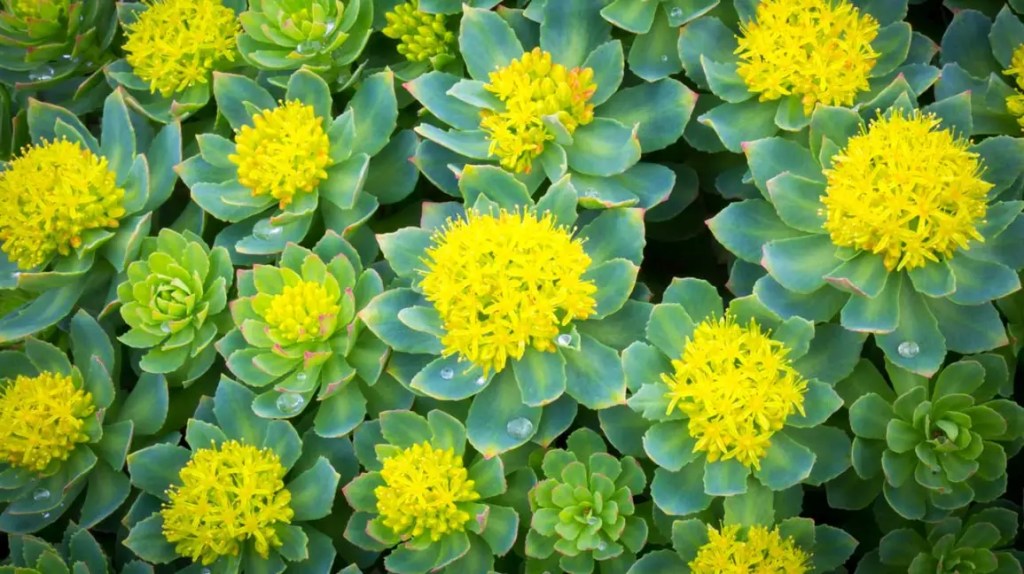
Rhodiola: Rhodiola is another adaptogenic herb that can help the body cope with stress. It is believed to work by increasing the levels of serotonin, dopamine, and norepinephrine in the brain.
Rhodiola is a medicinal herb that is commonly used as an adaptogen to help the body cope with stress. It is believed to work by increasing the levels of neurotransmitters such as serotonin, dopamine, and norepinephrine in the brain, which can help improve mood, reduce anxiety, and increase mental and physical performance.
Research suggests that rhodiola may have other health benefits as well, such as reducing fatigue and improving exercise performance, as well as potentially having anti-inflammatory and anti-cancer properties. However, more research is needed to confirm these potential benefits.
While rhodiola is generally considered safe, it may interact with certain medications and should not be used by pregnant or breastfeeding women without first consulting with a healthcare provider.
Thanks for taking the time to read! I hope this information has helped you on your holistic healing journey! Please feel free to drop and comments or questions below and I will get back to you. Happy Gardening 🙂
Sources:
- Linde K, Berner MM, Kriston L. St John’s wort for major depression. Cochrane Database Syst Rev. 2008;(4):CD000448. Published 2008 Oct 8. doi:10.1002/14651858.CD000448.pub3. ↩
- Koulivand, P. H., Khaleghi Ghadiri, M., & Gorji, A. (2013). Lavender and the nervous system. Evidence-based complementary and alternative medicine : eCAM, 2013, 681304. https://doi.org/10.1155/2013/681304 ↩
- Sánchez-Vidaña, D. I., Ngai, S. P., He, W., Chow, J. K., Lau, B. W., & Tsang, H. W. (2017). A systematic review on the anxiolytic effects of aromatherapy in people with anxiety symptoms. Journal of evidence-based complementary & alternative medicine, 22(4), 756–765. https://doi.org/10.1177/2156587217717419 ↩
 Native Grounds Farm