
The safety of drinking water can depend on a variety of factors, including the source of the water, the treatment processes it undergoes, and potential contamination during distribution and storage.
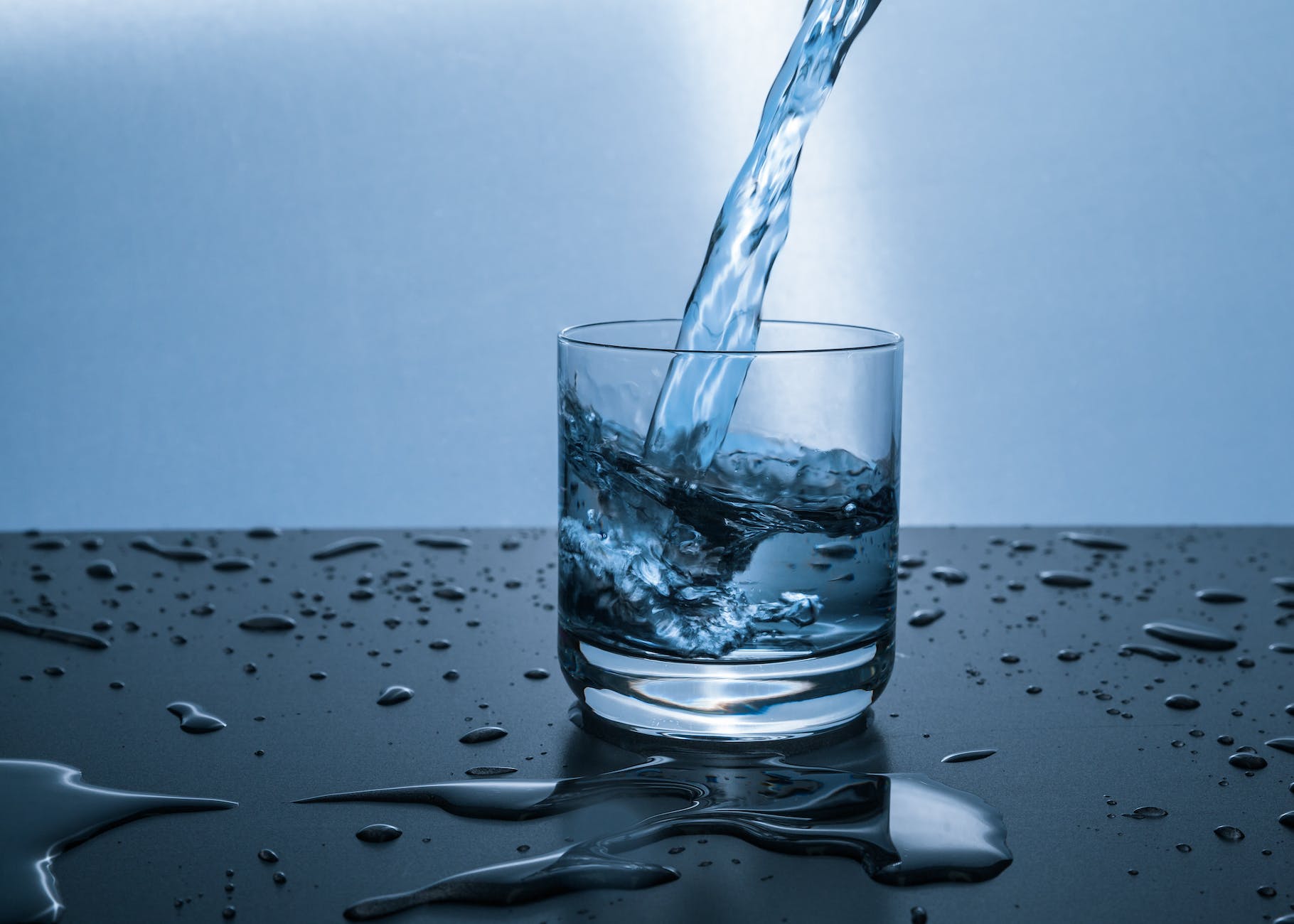
Here are some reasons why the water you are drinking may not be safe:
- Contaminants in the source water: The water source can contain a range of contaminants, such as bacteria, viruses, chemicals, and minerals, that can be harmful to human health. For example, groundwater may be contaminated with arsenic, while surface water may contain harmful bacteria or pesticides.
- Inadequate treatment: Water treatment processes are used to remove or reduce contaminants in the water, but if the treatment is inadequate or not properly maintained, contaminants can remain in the water. For example, if disinfection is not carried out properly, harmful bacteria and viruses can survive in the water.
- Aging infrastructure: Water distribution systems can become corroded and leaky over time, which can allow contaminants to enter the water supply. For example, lead pipes can leach lead into the water, which can cause developmental and neurological problems.
- Natural disasters: Natural disasters such as floods and hurricanes can cause water infrastructure to become damaged, leading to contamination of the water supply.
- Human error: Human error, such as incorrect chemical dosages during water treatment, can lead to unsafe drinking water.
To ensure the safety of your drinking water, it is important to know the source of your water and to regularly test the water for contaminants. If you have concerns about the safety of your drinking water, you should contact your local water supplier or a water treatment professional.
What makes water “safe”?
Water can be considered safe when it does not contain harmful levels of contaminants that could potentially cause harm to human health. The safety of water can be determined based on a variety of factors, including its source, treatment processes, and distribution.
Here are some key factors that contribute to making water safe:
- Source water quality: Water that comes from a clean and protected source, such as a well or a spring, is less likely to contain harmful contaminants.
- Water treatment: Water treatment processes, such as filtration, disinfection, and sedimentation, can remove or reduce contaminants in the water, making it safe to drink.
- Distribution system maintenance: The water distribution system must be properly maintained to prevent contamination from occurring during distribution.
- Regulatory compliance: Water must meet strict quality standards set by regulatory agencies, such as the United States Environmental Protection Agency (EPA), to be considered safe.
- Regular testing: Water should be regularly tested for a range of contaminants, such as bacteria, viruses, and chemicals, to ensure that it meets quality standards and is safe to drink.
Overall, the safety of water is determined by a combination of factors, including its source, treatment, distribution, and testing. Regular monitoring and maintenance of the water supply are essential to ensuring that the water is safe for human consumption.

What is Alkalization?
Alkalization refers to the process of increasing the pH (acidity) of a substance to a more alkaline, or basic, level. In chemistry, pH is a scale that measures the acidity or basicity of a substance. The scale ranges from 0 to 14, where a pH of 0 is the most acidic, 7 is neutral, and 14 is the most basic (alkaline).
Alkalization is often used in the context of drinking water and health. Some people believe that alkaline water, or water that has been alkalized to a higher pH level, can provide health benefits, such as improved hydration, detoxification, and antioxidant properties.
There are various methods for alkalizing water, including the addition of alkaline minerals, such as calcium and magnesium, or the use of an ionizing machine that separates the acidic and alkaline components of the water.
While there is some research to suggest that alkaline water may have certain health benefits, the scientific evidence is limited and more research is needed to fully understand the effects of alkaline water on human health. It is also important to note that excessive alkalinity can be harmful, and that the pH of drinking water should be within a safe and regulated range to ensure its safety for human consumption.

In conclusion, drinking healthy water is important for maintaining good health and preventing waterborne diseases. Water is an essential component of the human body, and drinking contaminated or unhealthy water can have serious negative impacts on our health, ranging from gastrointestinal illnesses to chronic diseases.
Drinking healthy water can help ensure that our bodies are properly hydrated, promote healthy digestion and elimination, and support healthy organ function. It can also help us avoid exposure to harmful contaminants, such as bacteria, viruses, chemicals, and minerals, that can be present in unsafe drinking water.
There are many different options for obtaining healthy drinking water, including tap water that meets regulatory standards, bottled water from reputable sources, and water filtration systems that can remove contaminants from tap water. It is important to be aware of the potential risks associated with drinking water and to take steps to ensure that the water we consume is safe and healthy.
Thanks for stopping by to read! I hope this article enlightened you to make better choices when it comes to your health. Feel free to drop and questions or comments below and I’ll get back as soon as possible 🙂
 Native Grounds Farm