
Living sustainably is becoming increasingly important in today’s world as we face climate change and other environmental challenges. By making small changes in our daily lives, we can reduce our environmental impact and help to create a more sustainable future. In this blog post, we will explore some tips and strategies for living a more sustainable life.

- Reduce Energy Consumption
Reducing our energy consumption is one of the most effective ways to live a more sustainable life. This can be achieved by making small changes in our daily habits, such as turning off lights and appliances when they are not in use, using energy-efficient light bulbs, and choosing energy-efficient appliances. We can also reduce our energy consumption by using public transportation, carpooling, or biking instead of driving alone. Energy conservation plays a crucial role in sustainable development, as it promotes the efficient use of resources and reduces our dependence on non-renewable energy sources. This, in turn, fosters energy security and economic stability, as well as encourages the development of renewable and clean energy technologies. Moreover, reducing energy consumption leads to cost savings for individuals, businesses, and governments. By adopting energy-efficient practices and technologies, we can lower utility bills, enhance energy affordability, and allocate resources towards other vital areas such as education, healthcare, and infrastructure. Overall, by prioritizing the reduction of energy consumption, we can create a more sustainable and resilient future for generations to come.

- Reduce Water Consumption
Water is a precious resource that is becoming increasingly scarce in many parts of the world. To live a more sustainable life, we can reduce our water consumption by taking shorter showers, fixing leaks in our faucets and toilets, and using water-efficient appliances such as low-flow showerheads and toilets. We can also collect rainwater for gardening and other outdoor activities. Conserving water is essential for environmental preservation. Many ecosystems, including rivers, lakes, and wetlands, rely on sufficient water levels to maintain their delicate balance. By reducing water usage, we can protect these habitats and the diverse flora and fauna that depend on them. Additionally, reducing water consumption also has significant economic benefits. Industries, agriculture, and households can reduce costs by implementing water-efficient practices and technologies.

- Reduce Waste
Reducing waste is another important aspect of living sustainably. This can be achieved by practicing the 3 Rs: Reduce, Reuse, and Recycle. We can reduce waste by using reusable bags, bottles, and containers, buying products with less packaging, and composting food scraps and yard waste. We can also reuse items such as clothes, furniture, and electronics, and recycle materials such as paper, plastic, and glass. Reducing waste conserves valuable resources like energy, water, and raw materials, as fewer new products need to be manufactured. This, in turn, helps preserve natural habitats and reduces the strain on ecosystems caused by resource extraction. It also encourages innovation in waste management and encourages the adoption of sustainable practices by individuals, businesses, and governments.

- Eat Sustainably
The food we eat has a significant impact on the environment. To live a more sustainable life, we can choose to eat a plant-based diet, reduce our meat consumption, and buy locally grown and organic food. We can also reduce food waste by planning meals, buying only what we need, and composting food scraps. Sustainable eating is also closely linked to human health. It encourages a diet rich in whole foods, fruits, and vegetables while minimizing the consumption of processed and heavily packaged products. Such a diet is beneficial for individual well-being, as it can reduce the risk of chronic diseases and improve overall nutritional intake. Lastly, sustainable eating promotes ethical considerations by supporting fair trade practices, humane treatment of animals, and responsible farming practices. By making conscious food choices, we can contribute to a more equitable and sustainable food system that respects both people and the planet.
- Support Sustainable Practices
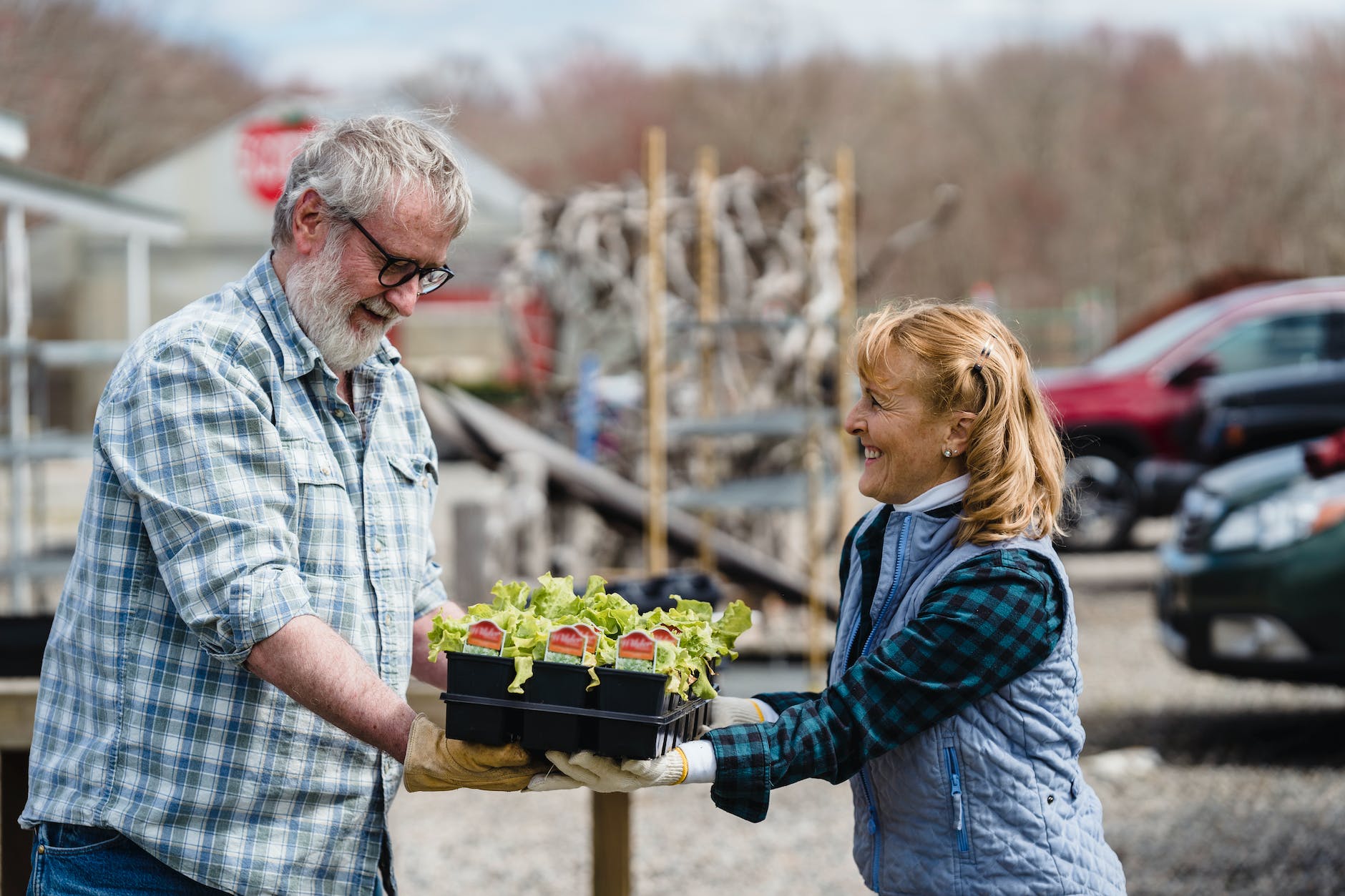
We can also live a more sustainable life by supporting sustainable practices in our community. This can include supporting local farmers, businesses, and organizations that prioritize sustainability, participating in community clean-up events, and advocating for environmental policies that promote sustainability. By supporting local farmers and purchasing seasonal produce, we reduce our reliance on long-distance transportation and support local food systems. This strengthens local economies, reduces food miles, and ensures that nutritious food is accessible to all.
- Use Renewable Energy
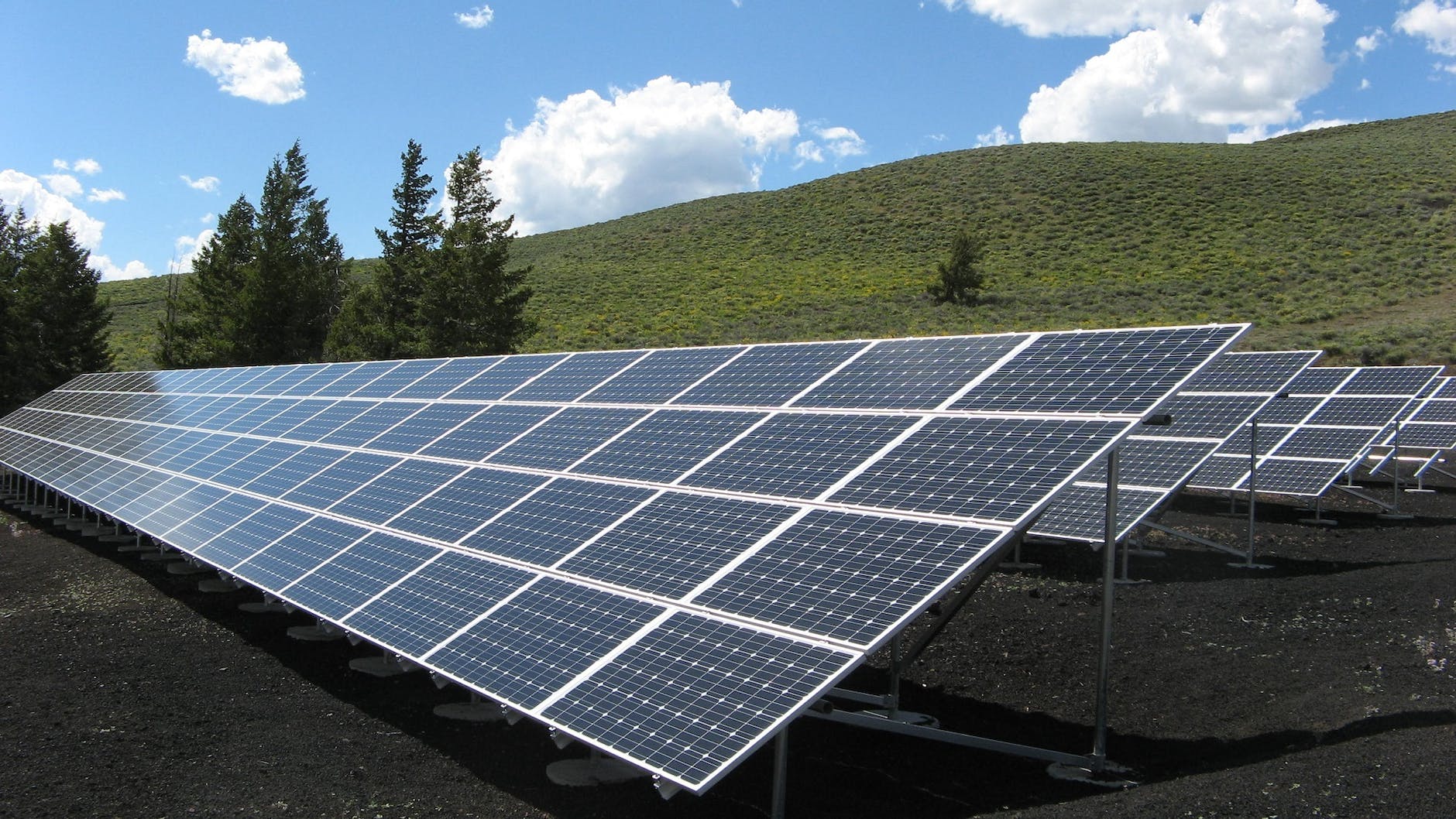
Using renewable energy sources such as solar, wind, and hydropower can significantly reduce our carbon footprint and help to mitigate climate change. We can install solar panels on our homes or invest in community solar programs, choose renewable energy options from our utility provider, and support policies that encourage the use of renewable energy sources. Renewable energy sources have a significantly lower environmental impact compared to fossil fuels. They produce little to no greenhouse gas emissions during operation, contributing to the mitigation of climate change and the reduction of air pollution. By transitioning to renewable energy, we can improve air quality, protect public health, and reduce the ecological damage caused by extraction and combustion of fossil fuels.

- Practice Mindfulness
Practicing mindfulness can also help us to live a more sustainable life. By being more aware of our daily habits and behaviors, we can identify areas where we can reduce our environmental impact and make more sustainable choices. Mindfulness can also help us to appreciate and connect with nature, leading to a greater sense of responsibility for protecting the environment.
Living sustainably is not just about making individual changes, but also about promoting systemic change that addresses the root causes of environmental issues. By making small changes in our daily lives and advocating for sustainability in our communities, we can create a more sustainable future for ourselves and future generations.
 Native Grounds Farm
One Comment Add yours