
Designing a garden on your own can be a fun and rewarding experience. Whether you’re looking to create a peaceful oasis to relax in or a vibrant space filled with blooming flowers and lush greenery, there are a few key steps you can follow to design a garden that suits your needs and style.
- Determine Your Garden’s Purpose
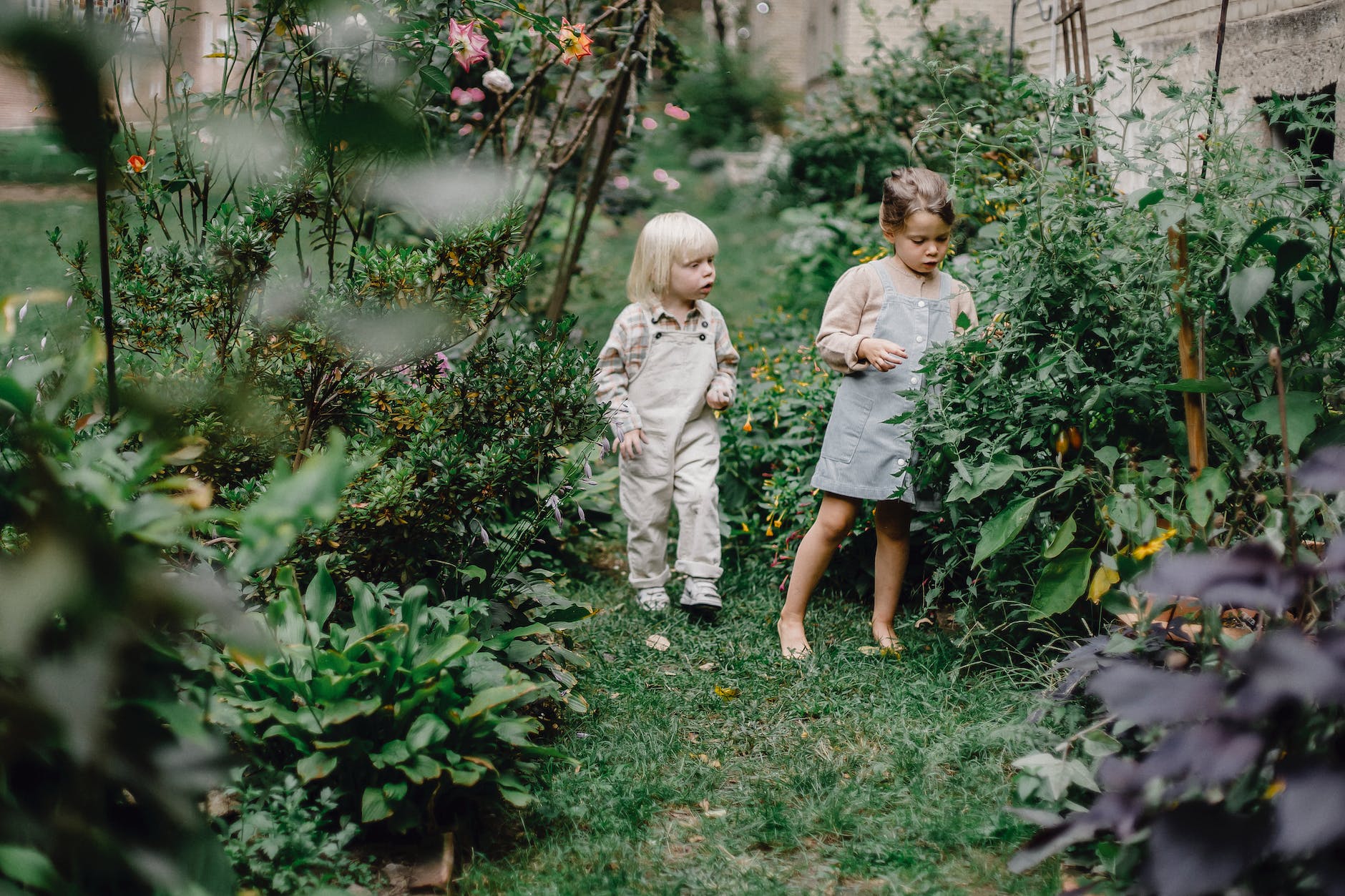
Before you begin designing your garden, it’s important to consider what you want to use it for. Are you looking for a space to grow your own vegetables or herbs? Or maybe you want a space for outdoor entertaining? Once you have a clear idea of your garden’s purpose, you can start to plan its layout and choose the right plants and materials.
When designing my garden, I strive to create a space that serves multiple purposes, ensuring it is not only visually appealing but also functional and sustainable. Firstly, I focus on creating a tranquil retreat, a haven where I can unwind and connect with nature. Incorporating elements like a cozy seating area surrounded by fragrant flowers and soothing water features, I aim to foster a sense of serenity and relaxation. Additionally, I consider the garden as an extension of my living space, designing it to accommodate outdoor activities and gatherings. This entails creating versatile areas for entertainment, such as a barbecue station or a fire pit, where friends and family can gather and enjoy memorable moments. Furthermore, I place great emphasis on sustainability, incorporating eco-friendly practices like rainwater harvesting, composting, and selecting native plants that require less water and maintenance. By designing my garden with purpose, I ensure that it not only enhances the aesthetics of my home but also contributes to my well-being and the environment.

- Choose Your Garden’s Location
The location of your garden will have a big impact on the plants you choose and the design of your garden. Consider the amount of sunlight your garden will receive throughout the day, as well as any existing structures or trees that may affect the layout of your garden.
Choosing the right location for your garden is essential for its success and vitality. It is important to consider factors such as sunlight exposure, soil quality, and accessibility. Ideally, your garden should be located in an area that receives ample sunlight throughout the day. Most plants require at least six hours of direct sunlight to thrive, so finding a spot that offers this exposure is crucial. Assessing the soil quality is another crucial aspect. Conduct a soil test to determine its composition, pH levels, and nutrient content. This will help you understand what adjustments or amendments may be necessary to create an optimal growing environment. Additionally, accessibility is key, as you’ll want a location that is convenient to reach for regular maintenance tasks such as watering, weeding, and harvesting. Consider proximity to a water source and ease of maneuvering garden tools. By carefully evaluating these factors, you can select the perfect location for your garden, providing the ideal conditions for your plants to flourish.
- Plan Your Garden’s Layout
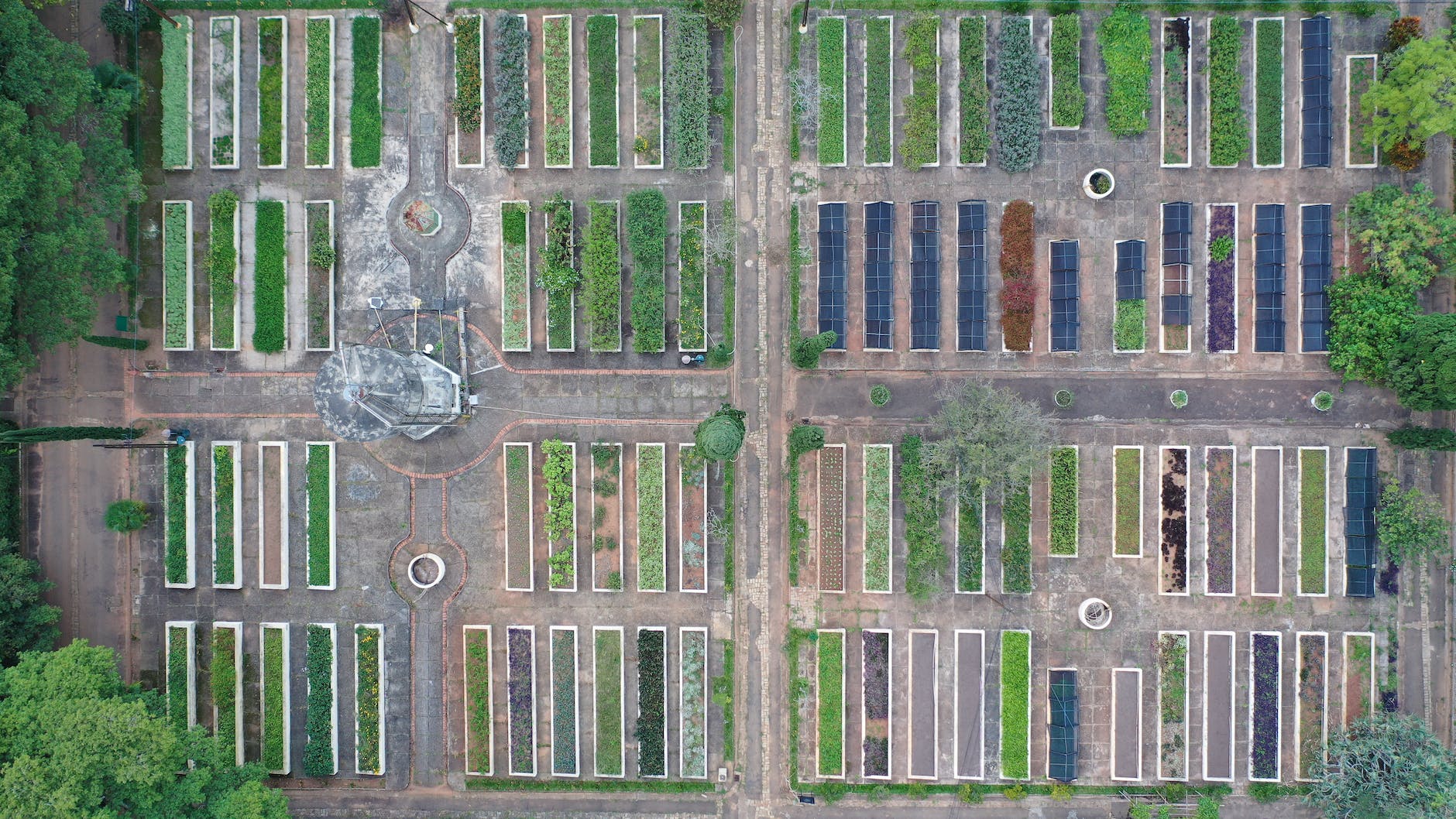
The layout of your garden should be functional and visually appealing. Consider the size and shape of your garden and think about how you want to divide the space. You may want to include pathways, seating areas, or raised garden beds. Draw out a rough sketch of your garden to help you visualize your design and make any necessary changes before you begin planting.
Designing the layout of your garden is a creative process that involves careful consideration of various elements. Firstly, determine the overall style or theme you want to achieve, whether it’s a formal, symmetrical design or a more organic, free-flowing layout. Next, consider the practical aspects, such as the size and shape of your garden, the type of plants you wish to grow, and any existing structures or features that need to be incorporated. Create distinct areas within your garden, such as a seating or entertainment area, a vegetable or herb garden, and flowerbeds or borders. Use pathways or stepping stones to create flow and guide visitors through the garden. Remember to also think about the height and scale of plants, placing taller ones towards the back or center of the garden and shorter ones towards the edges. Balance is key, so aim for a harmonious arrangement of colors, textures, and shapes. Finally, incorporate focal points like statues, water features, or eye-catching plants to add interest and draw attention. By carefully planning and designing your garden layout, you can create a visually appealing and functional space that reflects your personal style and enhances your outdoor experience.
- Choose Your Plants
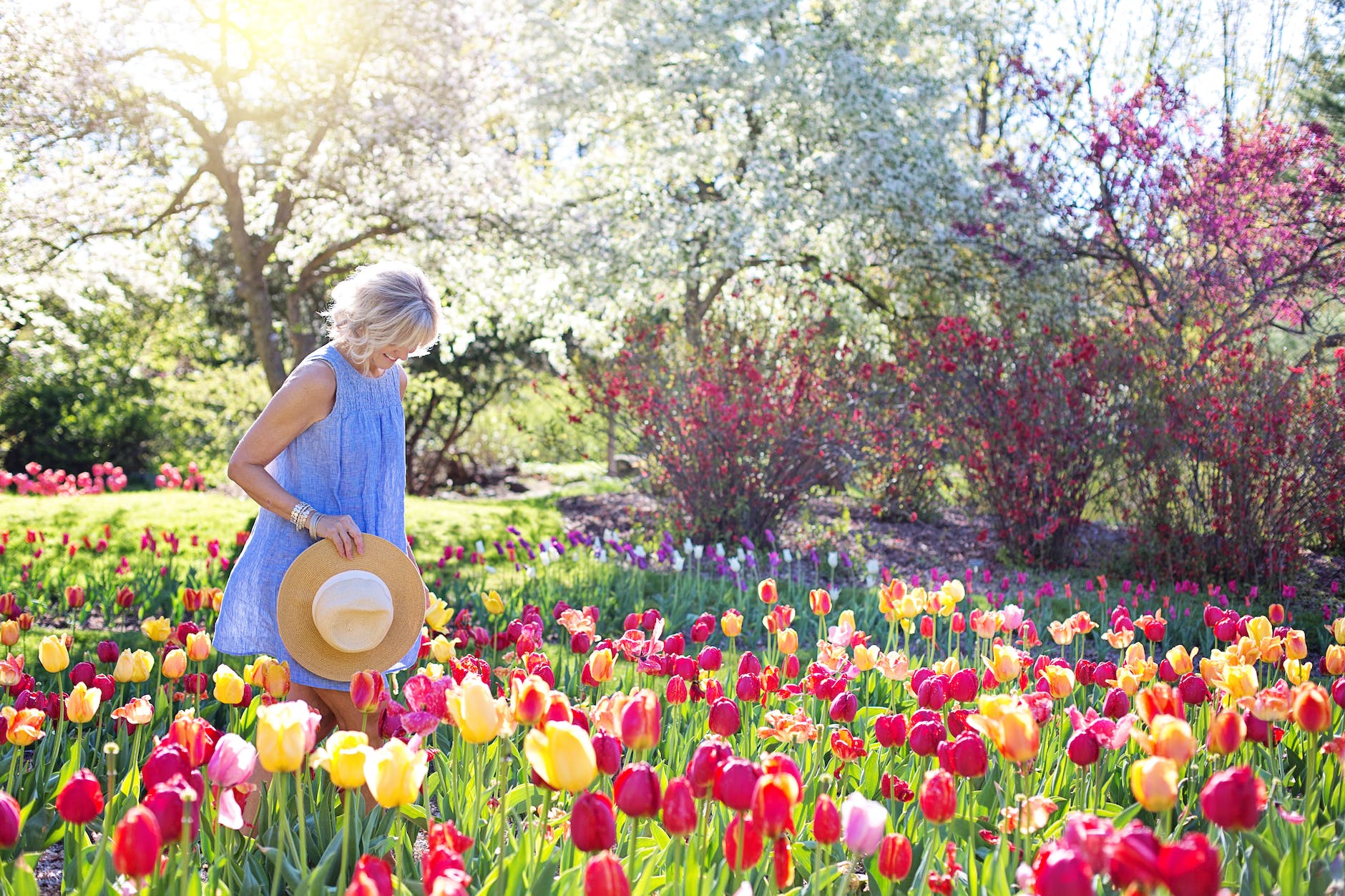
The plants you choose for your garden will depend on a variety of factors, including your garden’s location, soil type, and climate. Consider the color, texture, and height of the plants you choose, as well as their maintenance requirements. It’s also a good idea to choose plants that will bloom at different times throughout the year to ensure your garden looks great all year round.
Start by considering your local climate and the specific conditions of your garden, such as sunlight exposure, soil type, and moisture levels. Select plants that are well-suited to these conditions to increase their chances of survival. Research the growth habits and maintenance requirements of different plant species to find ones that align with your gardening goals and available time for care. Consider the purpose of your garden, whether it’s for aesthetics, attracting wildlife, or providing fresh produce. Choose a diverse mix of plants that bloom at different times throughout the year to create visual interest and provide food and shelter for beneficial insects and birds. It’s also essential to consider the ultimate size of the plants to avoid overcrowding and allow for healthy growth. By carefully selecting plants that are compatible with your garden’s conditions and purpose, you can create a vibrant and sustainable garden that brings joy and beauty to your outdoor space.

- Add Decorative Elements
Adding decorative elements to your garden can help bring your design to life. Consider adding features like fountains, bird feeders, or garden sculptures to create a focal point or add interest to your garden. You may also want to include lighting to highlight certain plants or features and create a relaxing ambiance in the evening.
Start by considering the overall style or theme you want to achieve. Whether it’s a contemporary, formal, or whimsical design, choose elements that align with your vision. Incorporate hardscape features such as pathways, patios, or decks to create structure and define different areas within the garden. Introduce focal points like statues, birdbaths, or ornamental trees to draw attention and add interest. Water features like fountains, ponds, or cascading waterfalls can bring a soothing ambiance and attract wildlife. Use color and texture to create visual impact by selecting plants with contrasting foliage and blooms. Add layers and dimension by incorporating vertical elements like trellises, arbors, or pergolas, which also provide support for climbing plants. Outdoor lighting can enhance the atmosphere and extend the usability of the garden into the evening hours. Finally, consider incorporating seating areas, cozy nooks, or outdoor furniture to create inviting spaces for relaxation and enjoyment. By thoughtfully integrating these design elements, you can transform your garden into a visually stunning and inviting oasis that reflects your personal style and enhances your outdoor experience.

Designing your own garden is an opportunity to create a personalized outdoor sanctuary that reflects your unique style and meets your specific needs. By carefully considering elements such as the garden’s purpose, location, layout, plant selection, and design elements, you can create a harmonious and functional space that brings joy and tranquility to your life. Whether you aim for a vibrant flower garden, a productive vegetable plot, or a peaceful retreat, the design choices you make will shape the overall atmosphere and aesthetics of your garden. Remember to consider sustainability and ecological practices, as well as the practical aspects of maintenance and accessibility. Designing your own garden is a creative endeavor that allows you to connect with nature, express your creativity, and enjoy the beauty and benefits of the outdoor environment. So embrace the process, let your imagination soar, and create a garden that becomes a haven of beauty and inspiration for years to come.
 Native Grounds Farm