
Global warming, a pressing environmental issue of our time, has sparked extensive debate and concern worldwide. While some still question its existence, the scientific consensus is resolute: our planet is undeniably experiencing a warming trend. In this blog post, we will delve into the scientific evidence that unequivocally supports the reality of global warming, providing a comprehensive understanding of this urgent matter.
- Temperature Records:
One of the most compelling lines of evidence for global warming is the consistent rise in global average temperatures. Historical temperature records, collected from various sources such as weather stations, satellites, and ice cores, consistently indicate an increase in global temperatures over the past century. This trend aligns with the accelerated release of greenhouse gases into the atmosphere due to human activities.
Phenological Changes: Changes in the timing of natural events, such as flowering, migration, and animal hibernation, provide additional evidence of a changing climate. Many species are altering their life cycle behaviors in response to warming temperatures.
Proxy Data: Climate scientists use various proxies, such as tree rings, ice cores, and sediment layers, to reconstruct past climate conditions. These records consistently show that current temperatures are unprecedented in the context of the past several thousand years.

- Greenhouse Gas Concentrations:
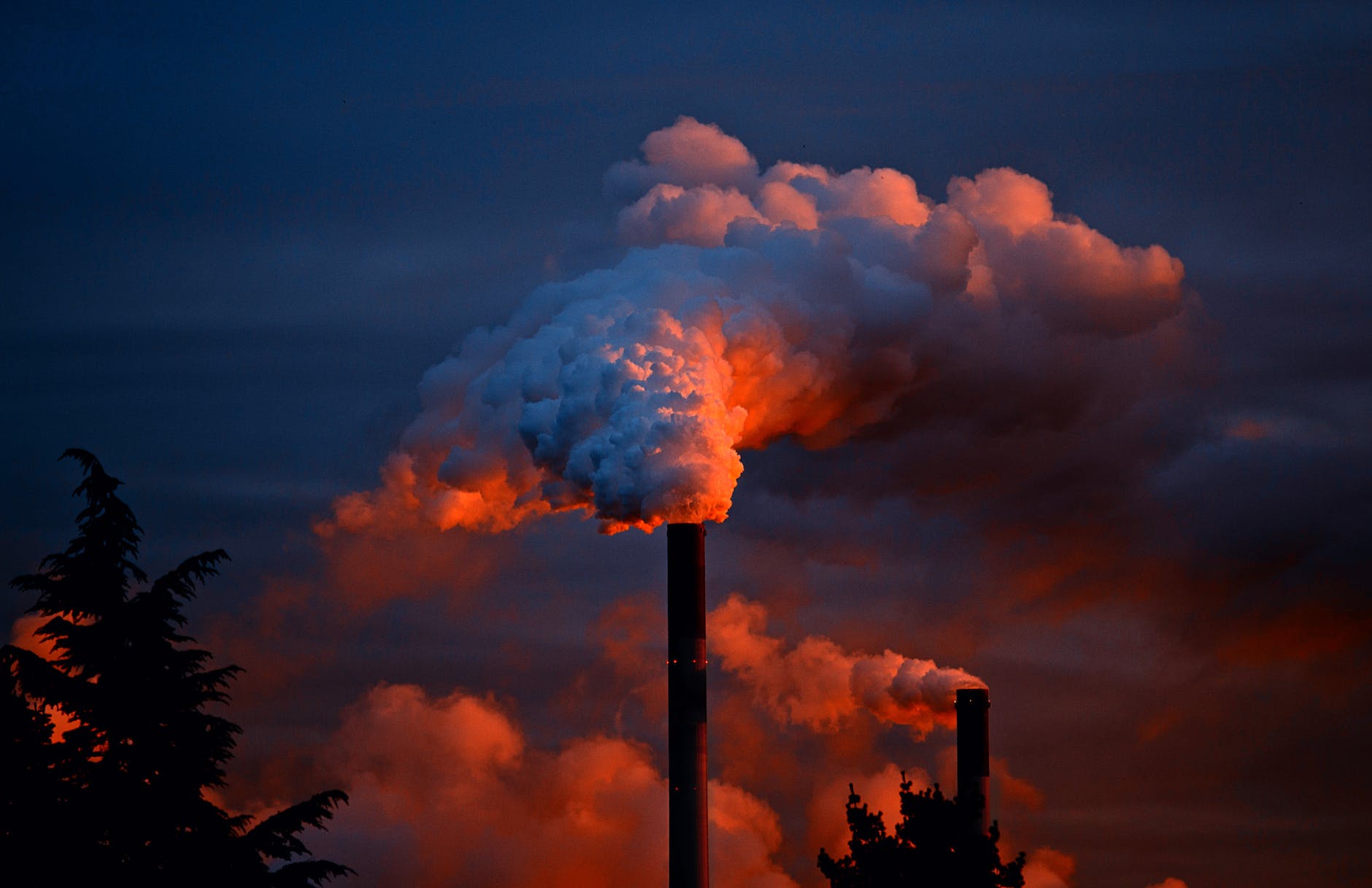
The increase in greenhouse gases, such as carbon dioxide (CO2), methane (CH4), and nitrous oxide (N2O), is a significant driver of global warming. These gases trap heat in the Earth’s atmosphere, leading to a greenhouse effect. Measurements from ice cores and direct atmospheric observations show a clear correlation between the burning of fossil fuels, deforestation, and the rise in greenhouse gas concentrations.
It is important to recognize that while natural processes, like volcanic eruptions and decomposition, also release greenhouse gases, their contribution is relatively balanced by natural sinks that absorb these gases. Human activities, particularly the burning of fossil fuels and land use changes, have tipped this balance, leading to a rapid increase in greenhouse gas concentrations and causing global warming. To combat climate change, it is crucial to reduce greenhouse gas emissions and transition to sustainable and cleaner energy sources.
- Shrinking Ice Caps and Glaciers:
The melting of ice caps and glaciers provides tangible evidence of global warming. Satellite observations and on-the-ground measurements reveal a significant reduction in the extent and thickness of polar ice. Arctic sea ice is declining rapidly, leading to the loss of critical habitat for wildlife and contributing to rising sea levels. Glacier retreat in various regions worldwide is another indicator of a warming climate.
The evidence of shrinking ice caps and glaciers is not only based on satellite observations but also on ground-based measurements, historical records, and climate models. These changes have far-reaching implications for the Earth’s climate system and ecosystems, and they underscore the urgency of addressing global warming and reducing greenhouse gas emissions.

- Rising Sea Levels:
Global warming contributes to the thermal expansion of seawater and the melting of land-based ice, causing sea levels to rise. Satellite altimetry and tide gauge measurements consistently demonstrate a gradual increase in global sea levels over the past century. This rise poses serious threats to coastal communities, ecosystems, and infrastructure, exacerbating the impacts of storm surges and coastal erosion.

- Extreme Weather Events:
The frequency and intensity of extreme weather events have increased in recent decades, aligning with the projected consequences of global warming. Heatwaves, droughts, intense rainfall, and severe storms are becoming more common occurrences. These events are linked to the complex interactions between a warming climate and the Earth’s atmospheric and oceanic systems.
Increased Heatwaves: Global warming has resulted in more frequent and intense heatwaves. Higher average temperatures lead to more extreme hot days and extended periods of heat, which can have severe impacts on human health, agriculture, and ecosystems.

Intensified Hurricanes and Cyclones: Warmer ocean waters provide more energy for tropical storms, leading to an increase in the intensity of hurricanes, typhoons, and cyclones. Rising sea levels also exacerbate the impacts of storm surges and coastal flooding during these events.
Heavy Rainfall and Flooding: A warmer atmosphere can hold more moisture, leading to increased evaporation from oceans and land surfaces. This, in turn, leads to more intense rainfall events and an increased risk of flooding in affected regions.
Wildfires: Rising temperatures and changing precipitation patterns contribute to drier conditions, increasing the risk of wildfires. These fires can spread more rapidly and become more difficult to contain, posing threats to communities and ecosystems.

- Ocean Acidification:
As the concentration of CO2 in the atmosphere increases, a significant portion of it is absorbed by the oceans. This process leads to ocean acidification, whereby seawater becomes more acidic. The impacts of ocean acidification are detrimental to marine ecosystems, particularly coral reefs and shell-forming organisms, threatening biodiversity and fisheries.
Coral reefs are among the most diverse ecosystems on Earth, supporting a vast array of marine species. Despite covering only about 1% of the ocean floor, they provide a habitat for an estimated 25% of all marine species, including fish, invertebrates, and microorganisms.

- Consensus among Scientific Organizations:
Scientific consensus is a powerful testament to the reality of global warming. Numerous scientific organizations worldwide, including the Intergovernmental Panel on Climate Change (IPCC), National Aeronautics and Space Administration (NASA), and World Meteorological Organization (WMO), have acknowledged the overwhelming evidence and reached a consensus that global warming is primarily driven by human activities.
The scientific evidence supporting the reality of global warming is robust and comprehensive. Temperature records, greenhouse gas concentrations, melting ice caps, rising sea levels, extreme weather events, ocean acidification, and the consensus among scientific organizations all point to the undeniable reality of a warming planet. Acknowledging this evidence is crucial for collectively addressing the challenges posed by climate change and striving for sustainable solutions that can help safeguard the future of our planet and future generations.

 Native Grounds Farm
Thank you for the scientific evidence of global warming 🌍👏
LikeLiked by 1 person