
In a world where synthetic medications and modern healthcare solutions often take center stage, there is a growing resurgence of interest in herbal remedies and natural healing. For those who are passionate about harnessing the power of nature to promote well-being, launching your apothecary can be a fulfilling and rewarding journey. This comprehensive guide will walk you through the steps to start your own apothecary, where you can create and dispense herbal remedies that offer holistic alternatives to traditional medicine.
But first thing’s first….
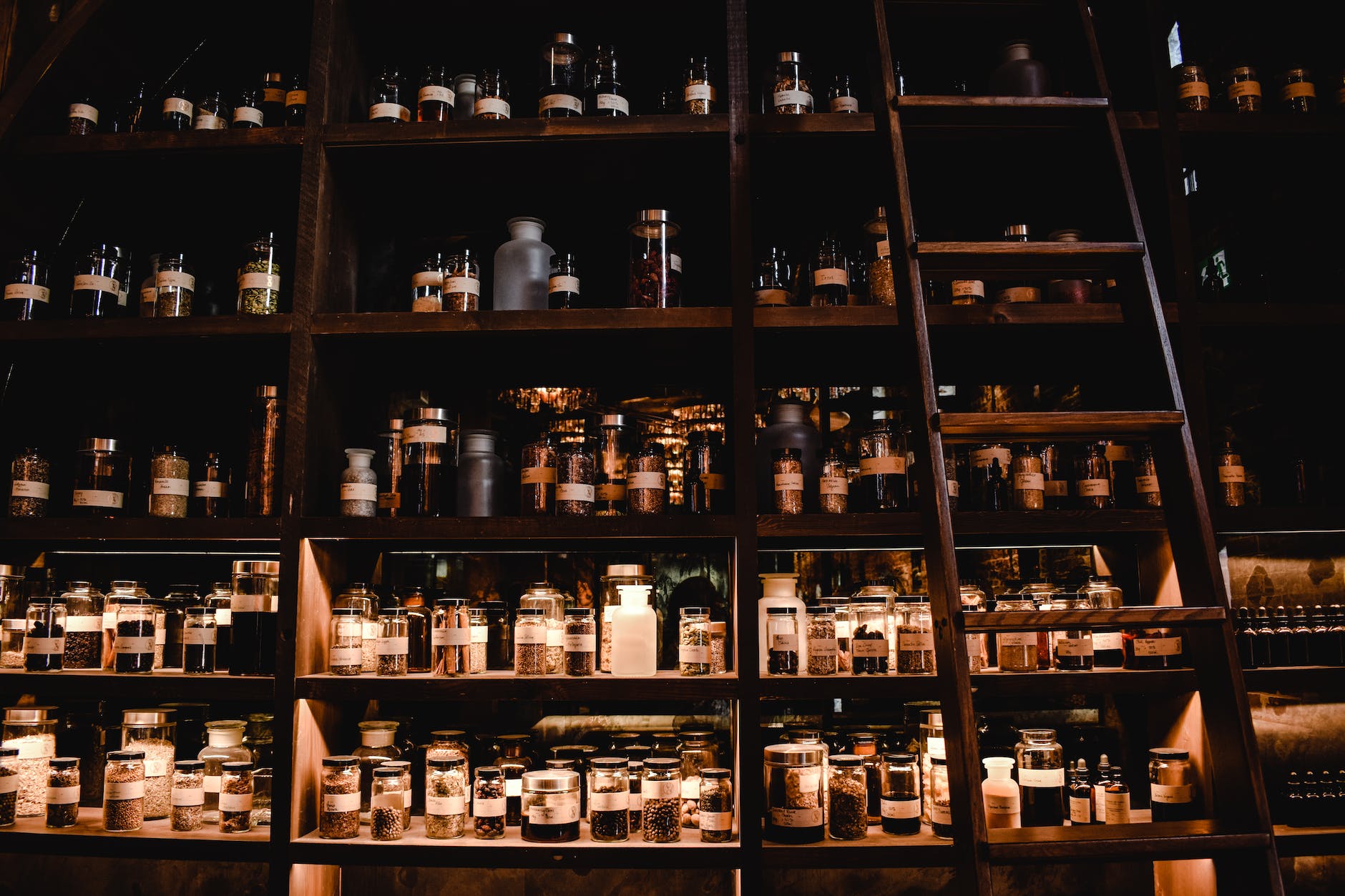
What is an apothecary?
An apothecary, historically and in its modern resurgence, embodies the art and science of harnessing nature’s healing potential. It signifies a place or profession dedicated to the preparation and dispensing of herbal remedies, tinctures, and natural healthcare solutions. An apothecary is more than a mere repository of herbs and elixirs; it’s a gateway to holistic well-being, offering alternatives to synthetic medications and promoting a deeper connection to the healing power of plants. Rooted in tradition yet adaptable to contemporary needs, an apothecary represents a timeless commitment to health, vitality, and the age-old wisdom of herbalism!
What herbs should I include in my Apothecary?
Embarking on the journey to create your own apothecary is a captivating and rewarding endeavor. It’s a space where the timeless wisdom of herbal remedies meets the modern quest for natural well-being. One of the pivotal decisions in building your apothecary is determining which herbs to include in your inventory. These botanical allies are not only the heart and soul of your apothecary but also the key to crafting potent, effective remedies.
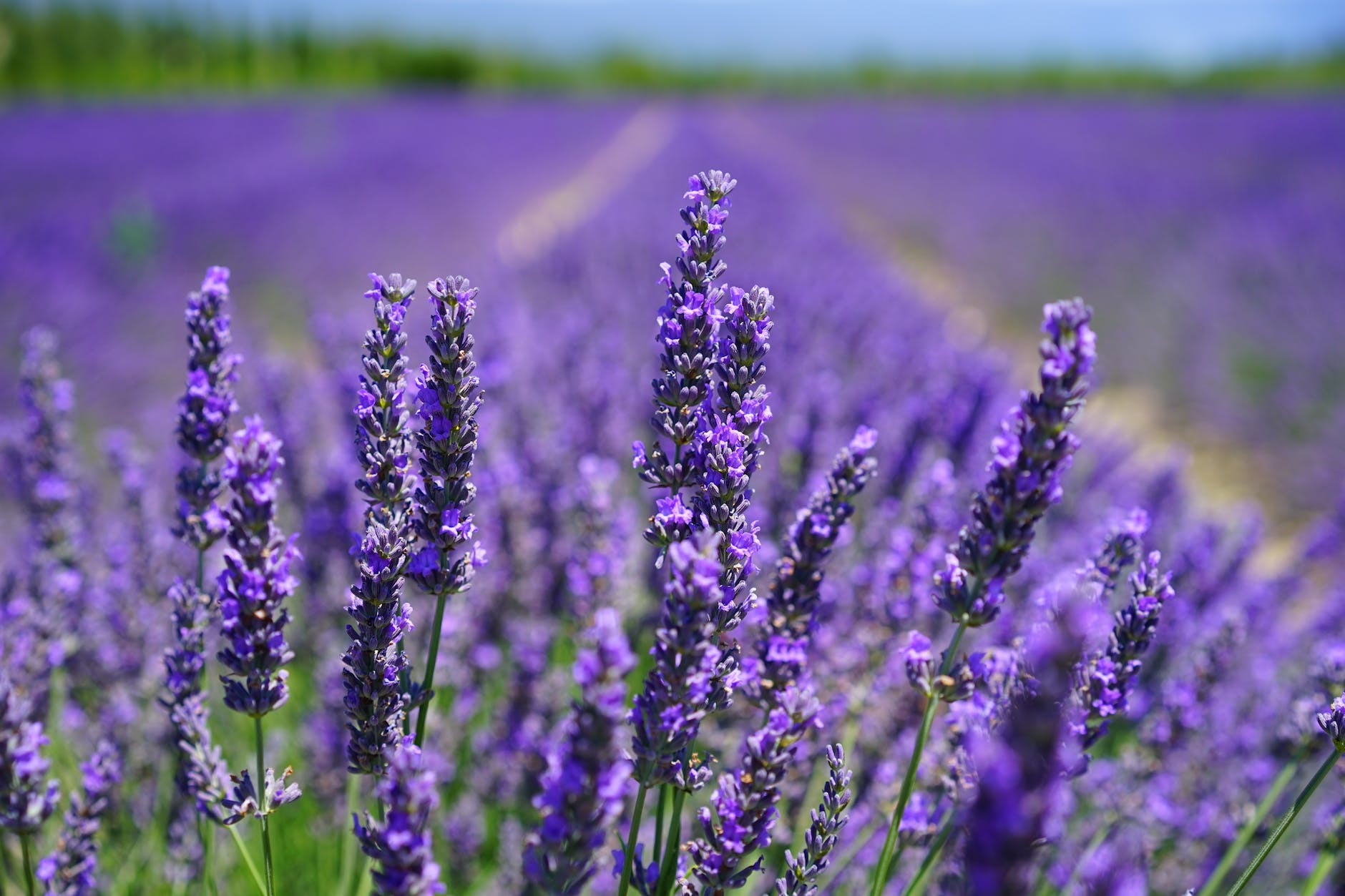
Lavender (Lavandula angustifolia)
Lavender is a beloved herb known for its soothing and calming properties. It’s a versatile addition to your apothecary, as it can be used in teas, tinctures, and essential oils to alleviate stress, promote better sleep, and soothe skin irritations.
Echinacea (Echinacea purpurea)
Echinacea is a powerful immune booster. It’s an excellent choice for those seeking natural ways to ward off colds and infections. Stock dried echinacea for teas or prepare tinctures to strengthen the body’s defense mechanisms.

Calendula (Calendula officinalis)
Calendula, also known as marigold, is prized for its skin-healing properties. It’s a must-have herb for creating salves, ointments, and creams to soothe various skin conditions, from minor burns to rashes.

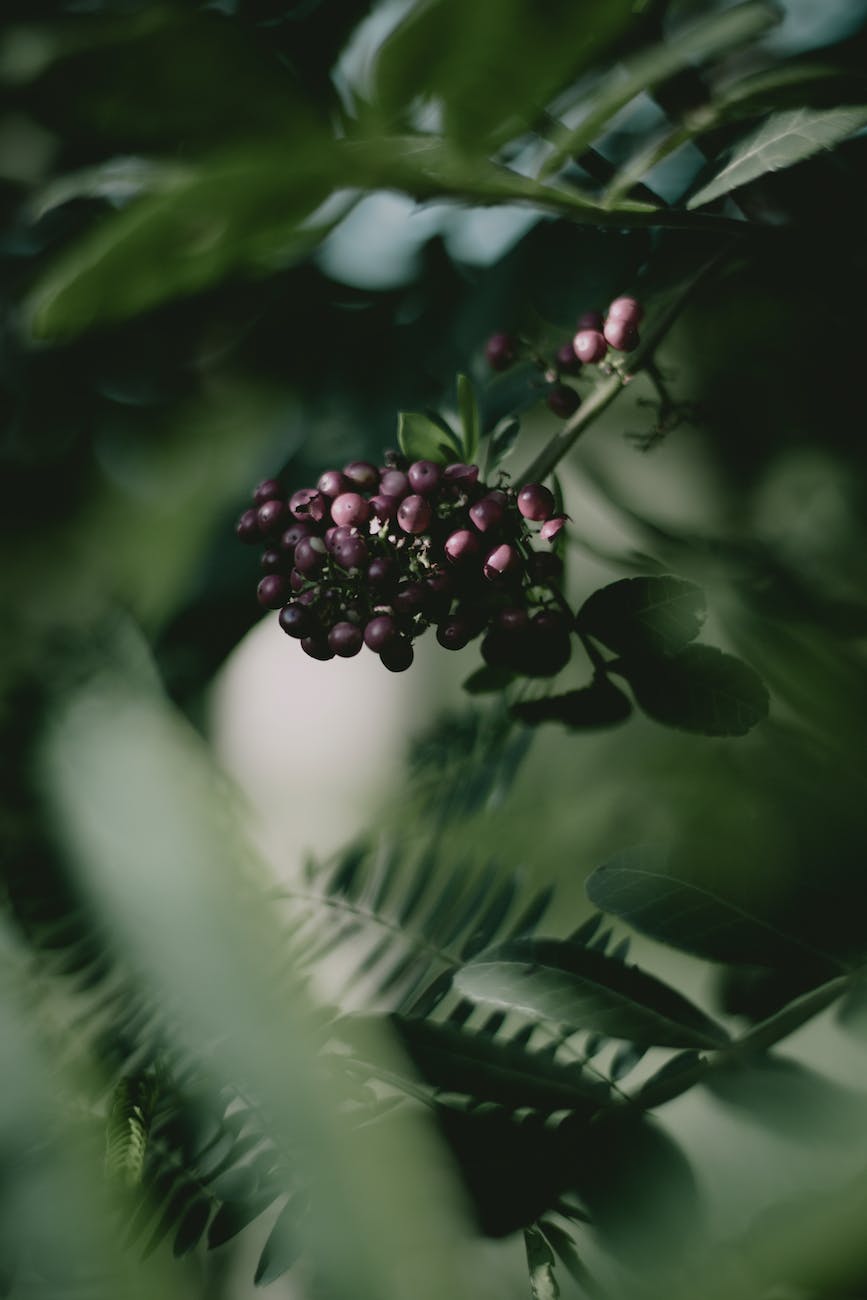
Elderberry (Sambucus nigra)
Elderberry is a potent antiviral herb commonly used for immune support. Stock dried elderberries to make elderberry syrup or tinctures, offering your customers a natural defense against colds and flu.
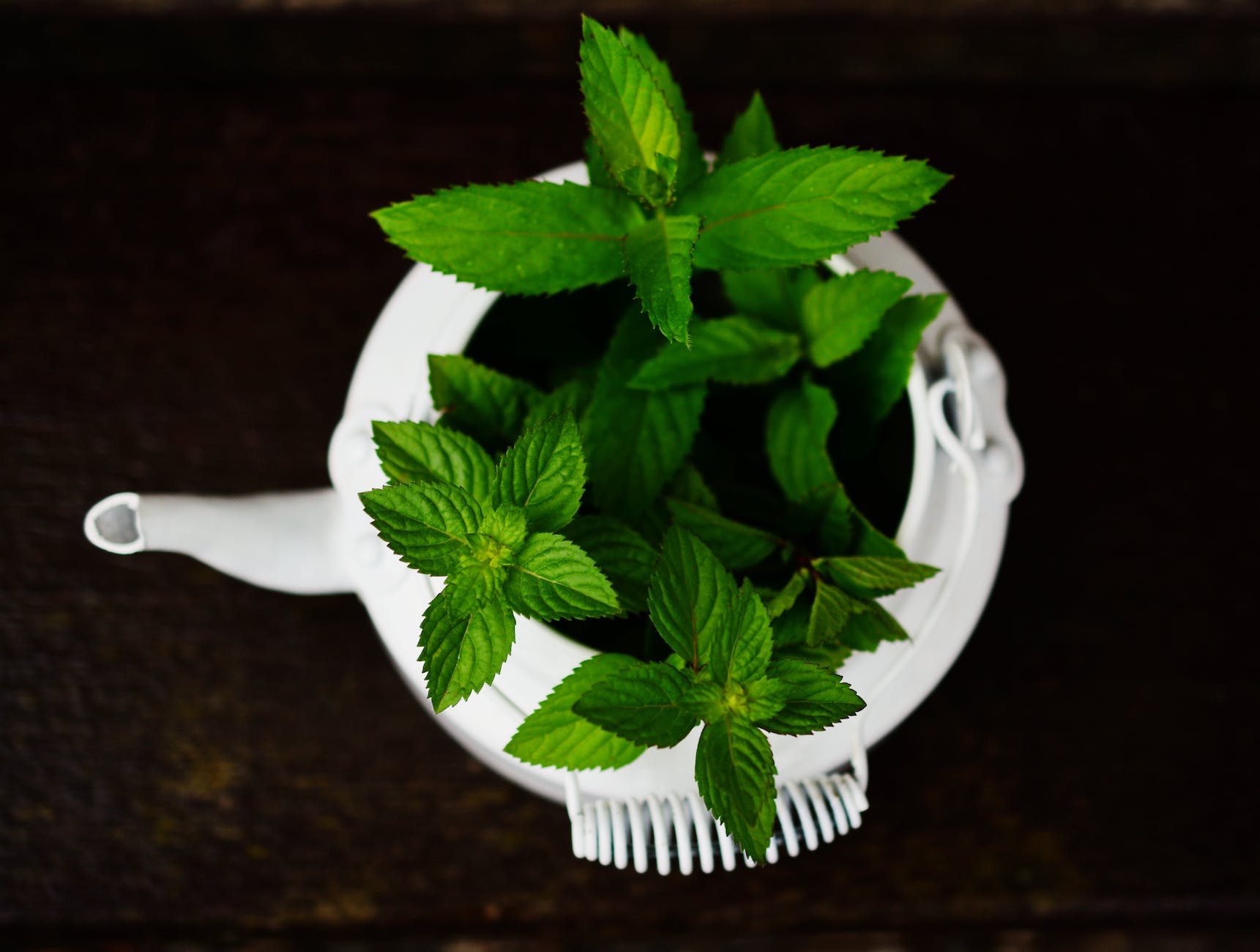
Peppermint (Mentha × piperita)
Peppermint is a refreshing herb that aids digestion and provides relief from nausea and headaches. Offer it as loose-leaf tea, or create tinctures and essential oils for topical use.
Chamomile (Matricaria chamomilla) Chamomile is renowned for its calming properties, making it an ideal choice for teas and tinctures that promote relaxation and better sleep. It’s also a soothing remedy for digestive issues.

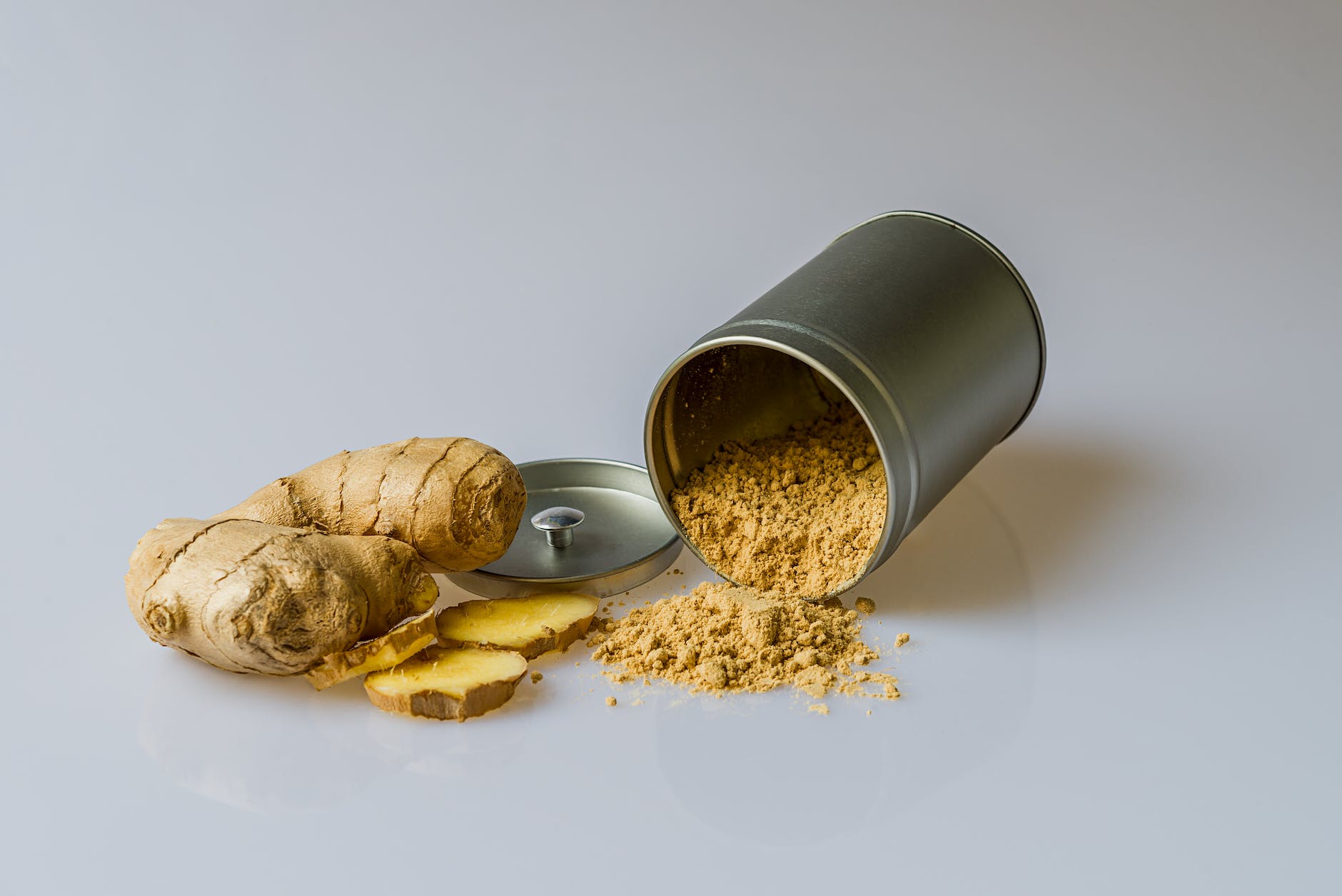
Ginger (Zingiber officinale)
Ginger is a versatile herb with anti-inflammatory and digestive benefits. Stock dried ginger for teas or craft ginger-infused oils to ease muscle pain and promote overall well-being.
St. John’s Wort (Hypericum perforatum)
St. John’s Wort is a mood-enhancing herb often used to alleviate symptoms of mild to moderate depression and anxiety. Offer it as a tincture or in capsule form for mental well-being support.

Valerian (Valeriana officinalis)
Valerian is a potent herb for those seeking natural remedies for sleep disorders and anxiety. Stock dried valerian root for teas and tinctures that promote restful sleep.
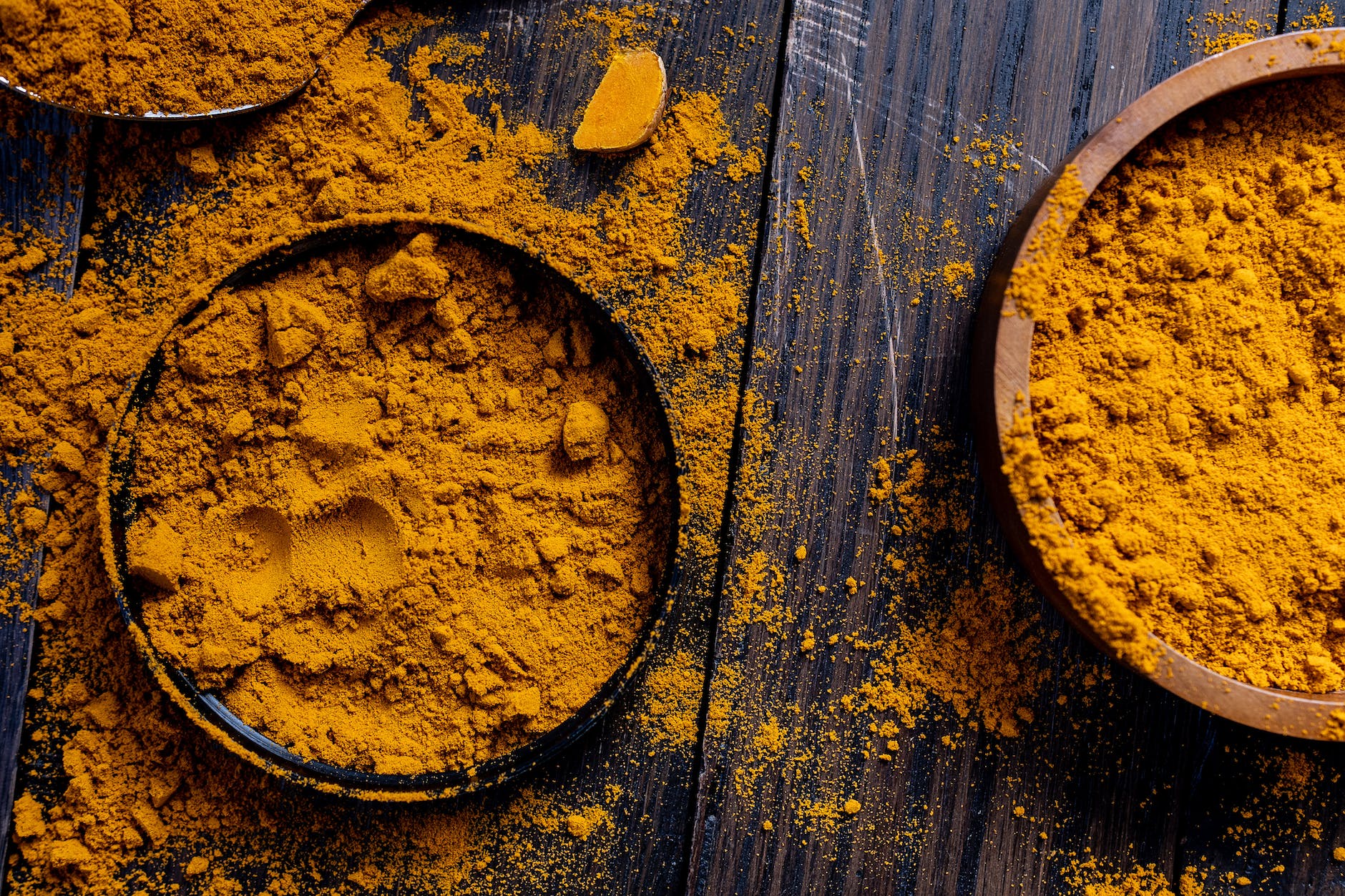
Turmeric (Curcuma longa)
Turmeric is a powerhouse anti-inflammatory herb rich in curcumin. It can be stocked in powdered form or as capsules for its various health benefits, including joint support and immune boosting.
Important things to be aware of:
When taking herbal medicine, it’s crucial to be aware of several important factors to ensure safety, effectiveness, and optimal results. Here are some key considerations:
Consult a Healthcare Professional: Before starting any herbal treatment, consult with a qualified healthcare professional, such as a naturopathic doctor or herbalist. They can provide personalized advice based on your health condition, medical history, and any potential interactions with medications you may be taking.
Quality and Source: Ensure that the herbs you use are of high quality, ideally organic, and obtained from reputable sources. Look for certifications like “USDA Organic” or “Good Manufacturing Practices” (GMP) on product labels.
Dosage and Administration: Follow the recommended dosage and administration instructions provided by your healthcare professional or on the product label. Do not exceed the suggested dose, as higher quantities may lead to adverse effects.
Potential Interactions: Be aware of potential interactions between herbal remedies and medications you may be taking. Some herbs can interact with prescription or over-the-counter drugs, affecting their effectiveness or causing side effects. Always inform your healthcare provider about all supplements you are using.
Allergies and Sensitivities: Consider any known allergies or sensitivities you have to specific herbs. If you are unsure, start with a small dose and monitor for adverse reactions.
Duration of Use: Some herbal remedies are meant for short-term use, while others can be used long-term. Discuss the appropriate duration of use with your healthcare provider, and periodically review your herbal regimen to ensure it remains appropriate for your needs.
Consistency: Herbal remedies often require consistent use over time to achieve desired results. Follow the recommended schedule and remain patient, as the effects may take time to manifest.
Side Effects: Be aware of potential side effects associated with the herbs you are using. Common side effects include digestive upset, allergic reactions, or interactions with other medications.
Pregnancy and Lactation: Pregnant and breastfeeding individuals should exercise caution when using herbal remedies, as some herbs may pose risks to the fetus or infant. Always consult a healthcare provider before using herbs during pregnancy or lactation.
Monitoring Progress: Keep track of your symptoms and progress while using herbal medicine. Note any changes, both positive and negative, and communicate them to your healthcare provider. Adjustments to your herbal regimen may be necessary.
Storage: Store herbal remedies in a cool, dry place, away from direct sunlight and moisture. Follow any specific storage instructions provided on the product packaging.
Herb-Drug Interaction Resources: Familiarize yourself with reputable resources or databases that provide information on herb-drug interactions, such as the Natural Medicines Comprehensive Database or consult a qualified healthcare provider.
Remember that herbal medicine, like any form of healthcare, should be approached with caution and knowledge. When used wisely and under professional guidance, herbal remedies can be valuable tools for promoting health and well-being. Always prioritize safety and consult with healthcare experts for the best outcomes.
 Native Grounds Farm