
Are you yearning for a simpler, more self-sufficient way of life?
Homesteading might be the answer you’ve been searching for. Whether you’re interested in growing your own food, raising livestock, or reducing your ecological footprint, this Homesteading 101 guide will walk you through the basics of this rewarding lifestyle.
What is Homesteading?
Homesteading is a lifestyle that focuses on self-sufficiency and self-reliance. It harks back to a time when families relied on their own land and resources to meet their needs. While modern homesteading may not be exactly like the old days, the principles remain the same: producing your food, minimizing waste, and living sustainably.

Getting Started with Homesteading
If you’re considering embarking on this journey, getting started with homesteading is an exciting adventure filled with opportunities for growth and learning. Begin by assessing your goals and resources, whether you have a sprawling rural property or a small urban backyard. Next, prioritize what aspects of homesteading are most important to you, whether it’s growing your own food, raising animals, or crafting homemade products. Start small and gradually expand your homesteading endeavors as you gain experience and confidence. Embrace the wealth of information available through books, online resources, and local homesteading communities to help you acquire the necessary skills and knowledge. Remember, homesteading is a lifestyle that evolves over time, so don’t be discouraged by setbacks; they are valuable learning experiences on your path toward self-sufficiency and a deeper connection to the land.
- Define Your Goals: Begin by outlining your homesteading objectives. Do you want to grow vegetables, raise animals, or both? Determine how self-sufficient you wish to become and what resources you have available.
- Choose the Right Location: Finding the right piece of land is crucial. Look for a property with fertile soil, access to water, and zoning regulations that allow for the activities you plan to undertake.
- Start Small: Homesteading can be overwhelming if you try to do everything at once. Start with a manageable project, such as a vegetable garden or raising chickens, and gradually expand as you gain experience.
Essential Homesteading Practices
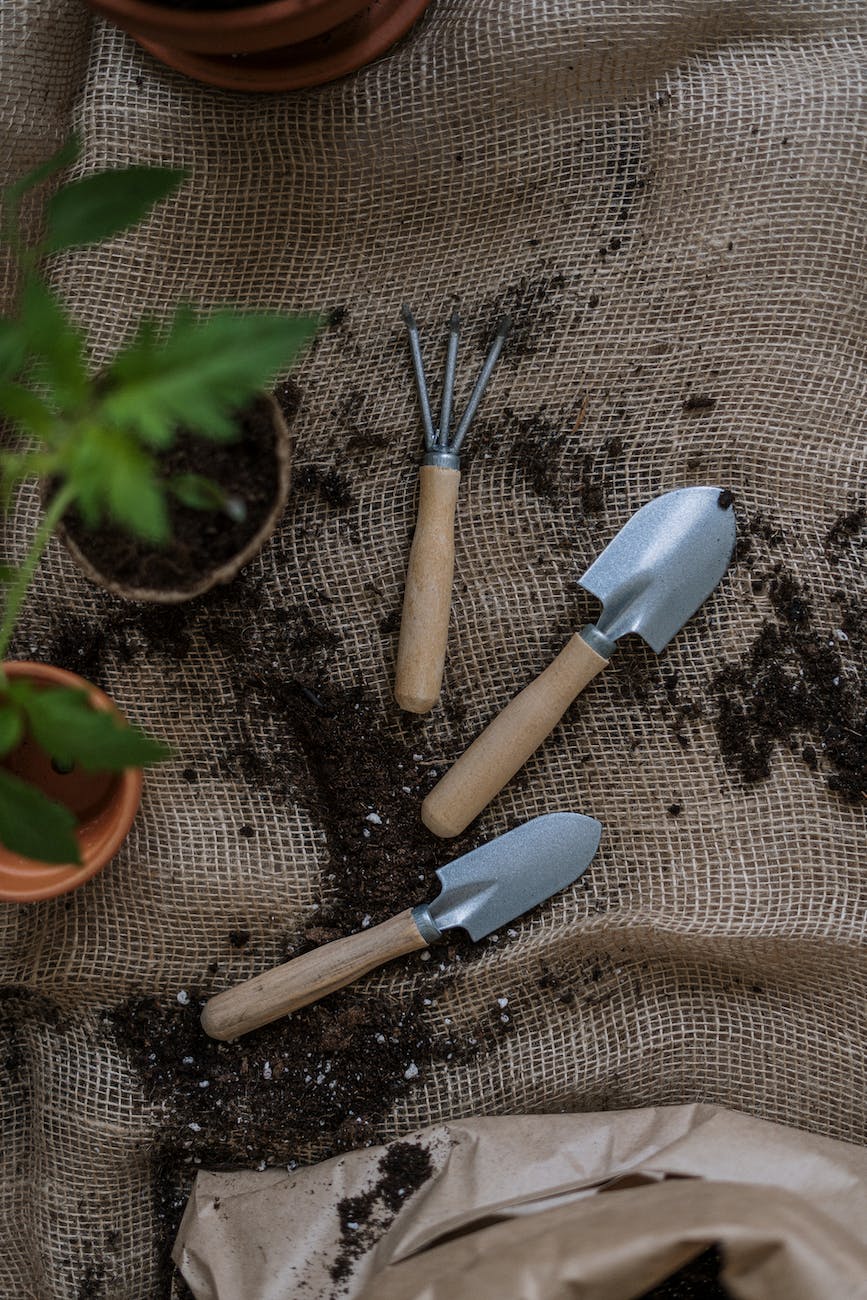
Gardening: Growing your food is a fundamental aspect of homesteading. Learn about crop rotation, soil health, and planting techniques to maximize your yield.

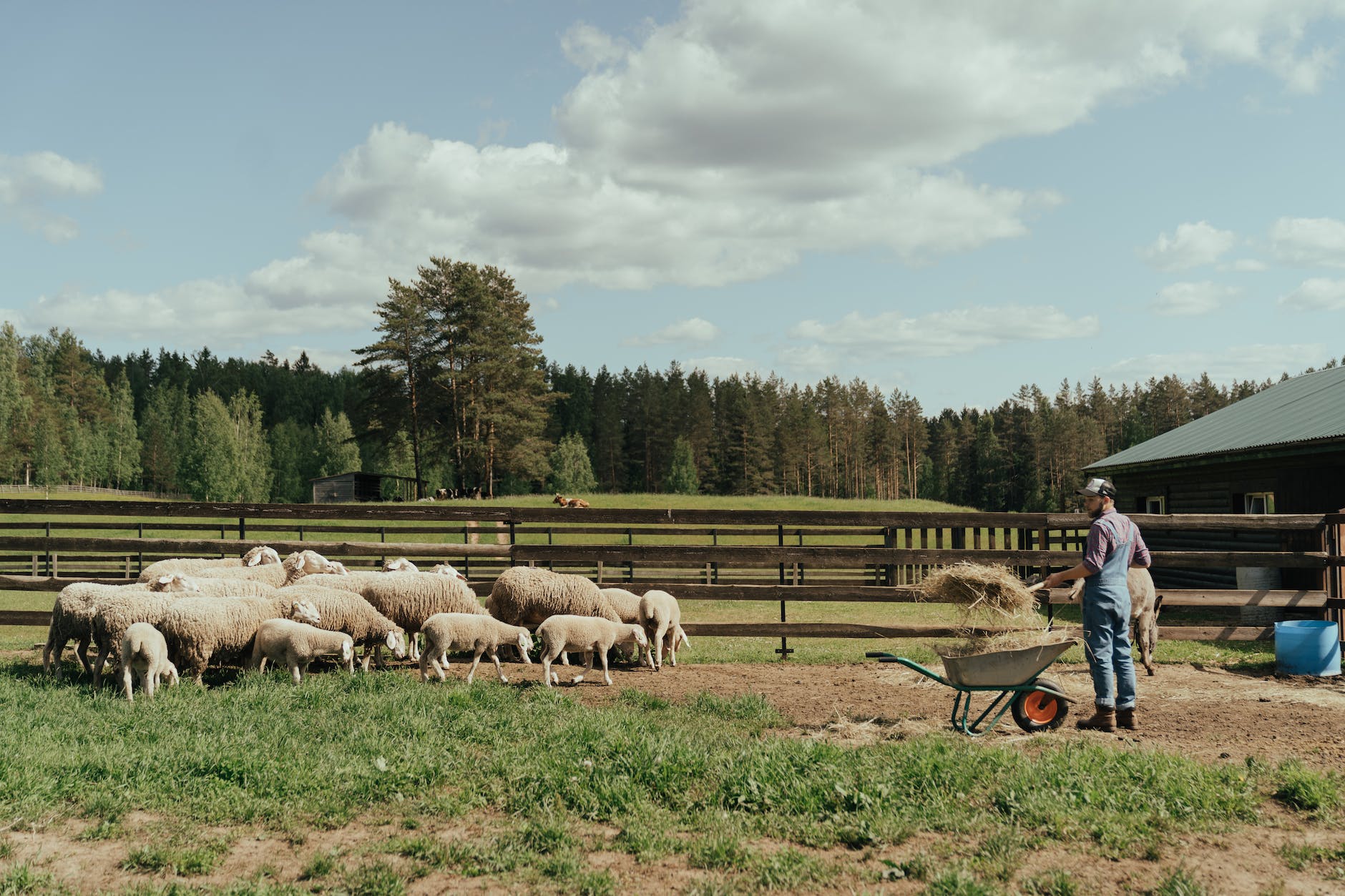
Livestock: Raising animals like chickens, goats, or bees can provide you with eggs, milk, honey, and more. Proper care and housing are essential for their well-being.
Food Preservation: Canning, drying, and fermenting are valuable skills to make your harvest last longer. Learn how to preserve your food to sustain you throughout the year.


Energy Efficiency: Consider off-grid solutions like solar panels and rainwater harvesting to reduce your reliance on conventional utilities.
Reduce, Reuse, Recycle: Embrace sustainable practices to minimize waste and make the most of available resources. Composting, recycling, and upcycling are key components.


Skills Development: Invest time in learning essential homesteading skills such as cooking from scratch, woodworking, and basic construction. These skills will prove invaluable.
Challenges of Homesteading
Homesteading isn’t without its challenges, and it’s essential to be prepared for them:
- Time Commitment: Homesteading can be time-intensive, especially during planting and harvest seasons.
- Learning Curve: There’s a lot to learn, and mistakes are inevitable. Be patient with yourself and seek guidance from experienced homesteaders.
- Financial Investment: While homesteading can save money in the long run, there’s often an initial investment required for land, infrastructure, and supplies.
Homesteading as a Lifestyle
Homesteading is not just a hobby; it’s a lifestyle choice that offers a deeper connection to the land and a sense of self-sufficiency. It fosters resilience, independence, and a reduced ecological footprint. As you embark on your homesteading journey, remember that it’s a personal path, and there’s no one-size-fits-all approach. Your homestead can reflect your values, interests, and unique circumstances.
With time, experience, and a dedication to self-sufficiency, you can create a fulfilling and sustainable way of life that’s uniquely your own. Whether you’re tending to a backyard garden or managing a full-scale homestead, the rewards of this lifestyle are abundant and well worth the effort.
 Native Grounds Farm