
Have you ever dreamed of having a lush, fragrant herb garden just steps away from your kitchen? The idea of stepping outside and plucking fresh basil for your caprese salad or harvesting some mint for a refreshing mojito is not only a foodie’s dream but also a surprisingly accessible reality. Cultivating your own herb garden is a rewarding and sustainable endeavor that allows you to add a burst of flavor and aroma to your culinary creations. In this comprehensive guide, we’ll explore everything you need to know about planting an herb garden, from choosing the right herbs to maintaining and harvesting them.

Getting Started
Before you start digging, it’s essential to plan your herb garden. Consider the following factors:
1. Location:
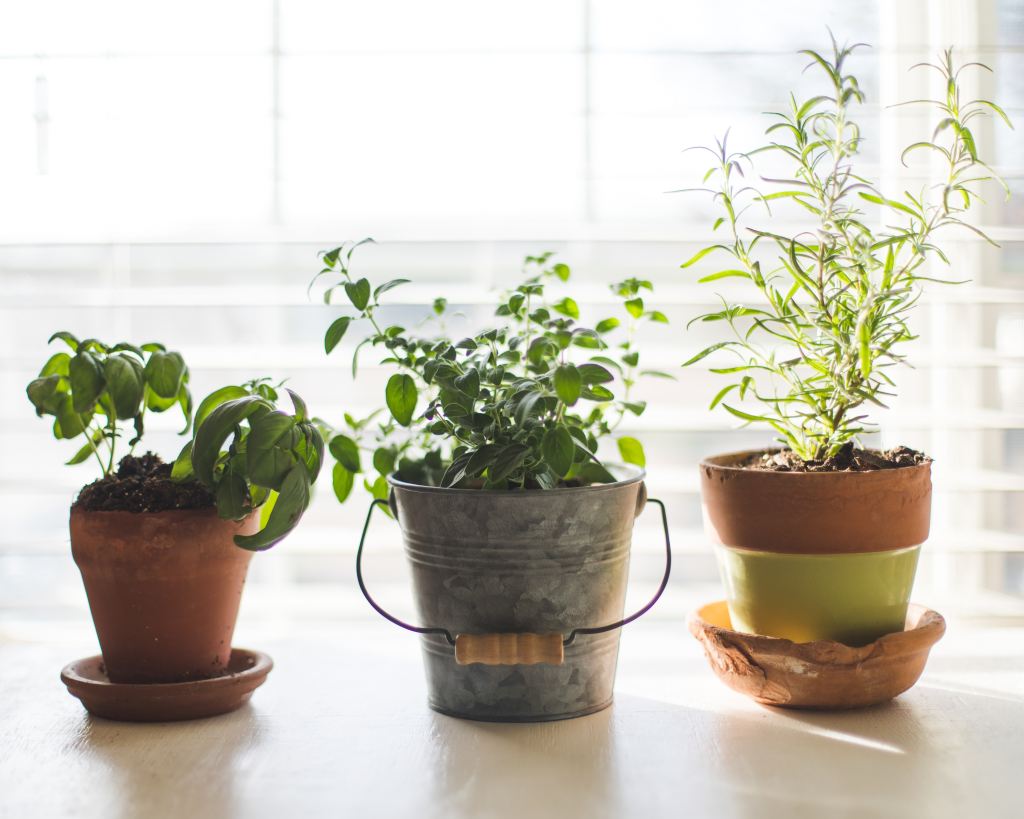
- Herbs generally require at least 6-8 hours of sunlight each day, so choose a sunny spot in your yard or on your balcony. Planting them near your kitchen window is a great idea and makes harvesting convenient while you’re cooking.
- Ensure proper drainage to prevent waterlogged soil, which can harm your herbs.
2. Herb Selection:
- Choose herbs that you love to cook with and use frequently. Common choices for beginners include basil, rosemary, thyme, oregano, and mint.
- Keep in mind the growth habits and needs of each herb, as they can vary significantly.
3. Soil Preparation:
- Herbs prefer well-draining soil with good organic matter content. You can amend your soil with compost to improve its quality.
- If your soil quality is poor, consider using raised beds or containers filled with a high-quality potting mix.

Planting Your Herb Garden
1. Spacing:
- Be mindful of the spacing requirements for each herb, which usually range from 6 to 24 inches apart.
- Overcrowding can lead to poor growth and competition for resources.
2. Planting Depth:
- Dig a hole slightly larger than the herb’s root ball and plant it at the same depth as it was in its nursery container.
3. Watering:
- Herbs generally prefer consistent, moderate watering. Keep the soil evenly moist but not waterlogged.
- Water early in the day to allow excess moisture to evaporate, reducing the risk of fungal diseases.
Caring for Your Herb Garden
1. Mulching:
- Apply a layer of mulch around your herbs to help retain soil moisture, suppress weeds, and regulate temperature.
2. Pruning:
- Regularly prune your herbs to encourage bushier growth and prevent leggy, unproductive stems.
- Remove any yellowing or dead leaves to keep your plants healthy.
3. Fertilization:
- Most herbs don’t require heavy feeding. A balanced, slow-release fertilizer or compost can suffice.
4. Pests and Diseases:
- Keep an eye out for common pests like aphids, snails, and caterpillars. Use natural remedies or pesticides as needed.
- Promote good air circulation to reduce the risk of fungal diseases.

Harvesting Your Herbs
The best part of growing herbs is enjoying their fresh flavors and aromas in your dishes. Here’s how to harvest them:
1. Timing:
- Herbs are at their most flavorful just before they flower. Harvest in the morning when the oils are most concentrated.
2. Method:
- Use sharp scissors or pruners to snip off the tops of your herbs, just above a pair of leaves.
- Avoid taking more than one-third of the plant at a time, as this can weaken it.
3. Preservation:
- You can use fresh herbs immediately, dry them for later use, or freeze them in ice cube trays to create a convenient flavor bomb for your dishes.

Planting and maintaining your own herb garden is a fun and sustainable way to enhance your culinary experiences. By selecting the right location, choosing the best herbs for your needs, and providing proper care, you can have a thriving garden just outside your kitchen door (or on your windowsill). With the freshness and flavor of homegrown herbs at your disposal, your culinary creations will reach new heights of taste and aroma. So, why wait? Get started on your herb garden today and watch your green thumb flourish!
 Native Grounds Farm