
In a world driven by convenience and fast-paced living, the art of food preservation is making a comeback. Whether you want to savor the flavors of summer fruits in the dead of winter or reduce food waste by extending the shelf life of your garden’s harvest, home food preservation is a skill worth mastering. In this comprehensive guide, we’ll explore various methods for preserving your own food, ensuring that you can enjoy the taste of the season all year long.
Why Preserve Your Own Food
Preserving your own food has numerous advantages. It allows you to:
- Extend the Shelf Life: Preserve fresh produce and homemade dishes for longer periods.
- Save Money: Buying in-season and in bulk is often more economical.
- Reduce Food Waste: Prevent perishables from going to waste.
- Control Ingredients: Customize your preserved foods without additives or preservatives.
- Enjoy Seasonal Flavors Year-Round: Savor the taste of summer in the middle of winter.
Essential Tools and Equipment
Before diving into food preservation, ensure you have the following tools and equipment:
- Glass jars or containers
- Canning equipment (if canning)
- Freezer bags or containers (if freezing)
- Dehydrator or oven (if drying)
- Fermentation crocks (if fermenting)
- Cutting boards, knives, and other kitchen utensils
- Labels and markers

Methods of Food Preservation
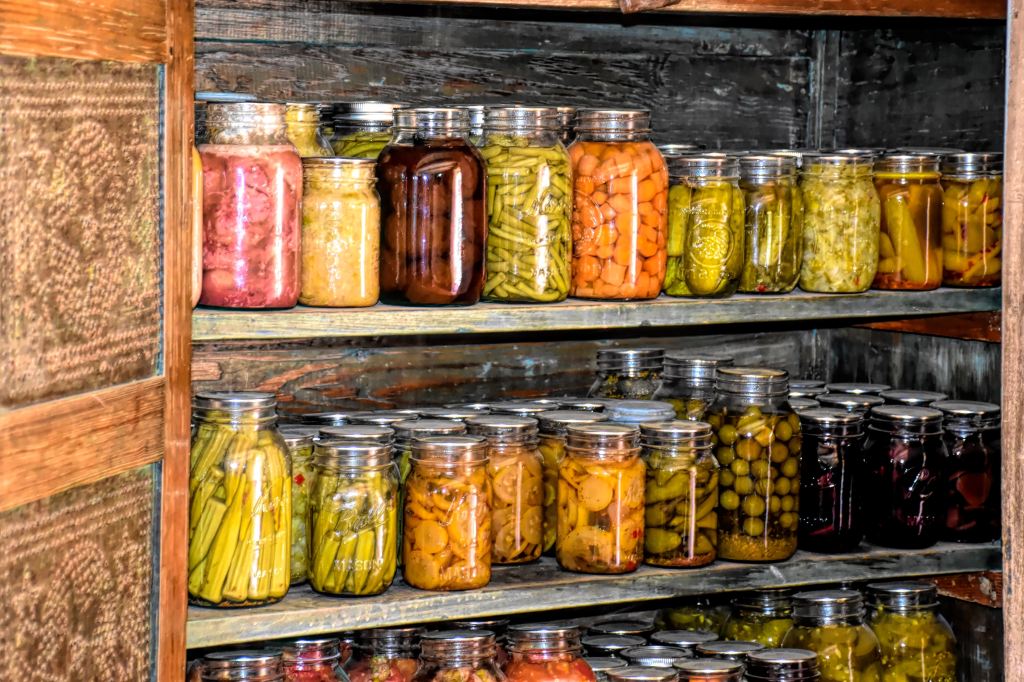
a. Canning: Canning involves sealing food in airtight containers after heating it to destroy bacteria. It’s perfect for fruits, vegetables, jams, and pickles.
b. Freezing: Freezing is the simplest method. It’s suitable for fruits, vegetables, meat, and even cooked meals. Be sure to blanch vegetables before freezing to maintain their texture and flavor.
c. Drying: Drying removes moisture from food, preventing the growth of bacteria. It’s ideal for herbs, fruits, and jerky. You can use a dehydrator or your oven.
d. Fermentation: Fermentation is a probiotic-rich method, perfect for pickles, sauerkraut, kimchi, and kombucha. Fermenting foods also enhances their nutritional value.
Choosing the Right Foods to Preserve
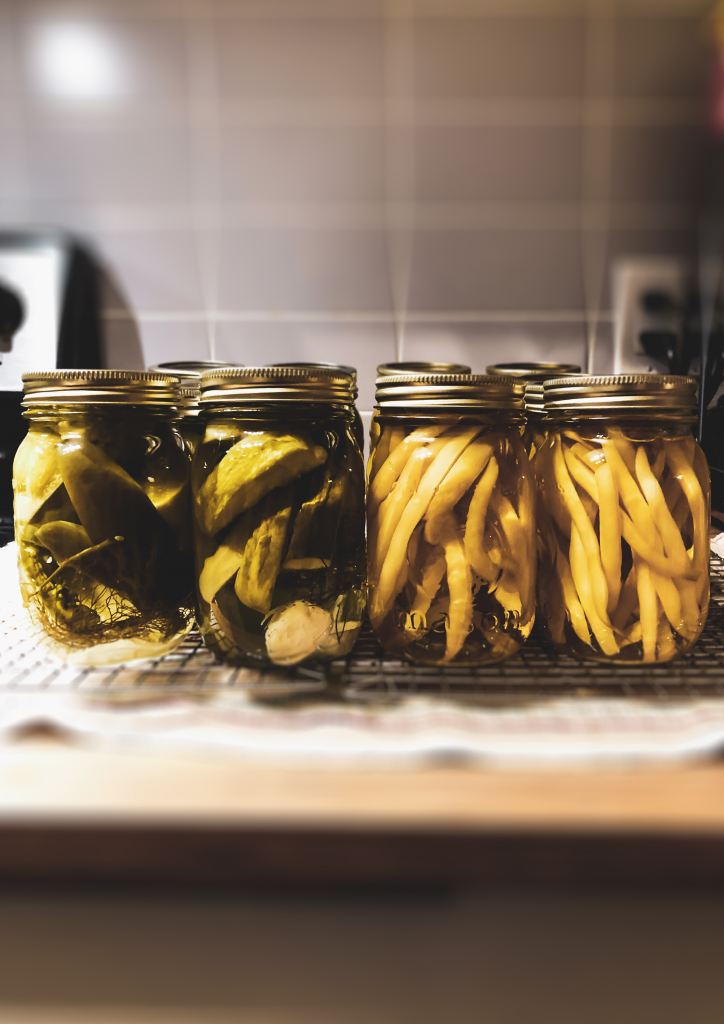
Select high-quality, fresh ingredients for preservation. Fruits and vegetables at their peak of ripeness tend to result in the best preserved products.

Safety and Hygiene
Ensure your hands, equipment, and workspace are clean. Follow recommended guidelines for each preservation method to prevent foodborne illnesses.
Tips and Tricks
- Label and date your preserved items for easy identification.
- Store preserved foods in a cool, dark place.
- Check for any signs of spoilage before consuming.
- Experiment with spices and flavorings to enhance your preserved dishes.

Enjoying Your Preserved Food
From homemade jams on toast to rehydrating dried mushrooms for a savory risotto, preserved foods offer a world of culinary delights. Get creative and enjoy the fruits of your labor year-round. Preserving your own food is a gratifying and sustainable practice. It reduces waste, saves money, and keeps your pantry stocked with delicious, homegrown goodness. Embrace the art of food preservation, and you’ll discover a world of flavors waiting to be savored, no matter the season. So roll up your sleeves, gather your supplies, and start preserving your own food today.
 Native Grounds Farm