

Raising chickens can be a fulfilling and rewarding experience for many reasons.
Some common reasons why people choose to raise chickens include:
Eggs: One of the most common reasons for raising chickens is to have a fresh and reliable source of eggs. Chickens are prolific egg layers, and many people prefer the taste and quality of home-produced eggs.
Meat: Some people raise chickens for meat production. Broiler chickens, specifically bred for meat, can be raised for personal consumption or as a small-scale business.
Pest Control: Chickens are natural foragers and excellent at controlling pests in the garden or on the farm. They eat insects, weeds, and even small rodents, providing a natural form of pest control.
Fertilizer Production: Chickens produce nutrient-rich manure that can be used as fertilizer for gardens and crops. This natural fertilizer is high in nitrogen, phosphorus, and potassium, essential for plant growth. Just throw it onto your compost pile, age it for up to 6 months- and there you have nutrient-dense fertilizer for your crops!
Educational Purposes: Raising chickens can be a valuable educational experience, especially for children. It teaches responsibility, empathy, and valuable life skills while providing a hands-on understanding of the food production process.

Companionship: Chickens can be surprisingly affectionate and entertaining pets. Some people enjoy the companionship of having chickens as part of their backyard or homestead.
Sustainability: Keeping chickens aligns with sustainable living practices. Chickens can be raised in an eco-friendly manner, especially if they are part of a permaculture system where they contribute to the overall health and sustainability of the environment.
Self-Sufficiency: Raising chickens contributes to self-sufficiency by providing a homegrown source of food. This is particularly appealing to individuals or families interested in reducing their dependence on store-bought goods.
Local Food Production: Raising chickens is a way to contribute to local food production and reduce the environmental impact of food transportation.
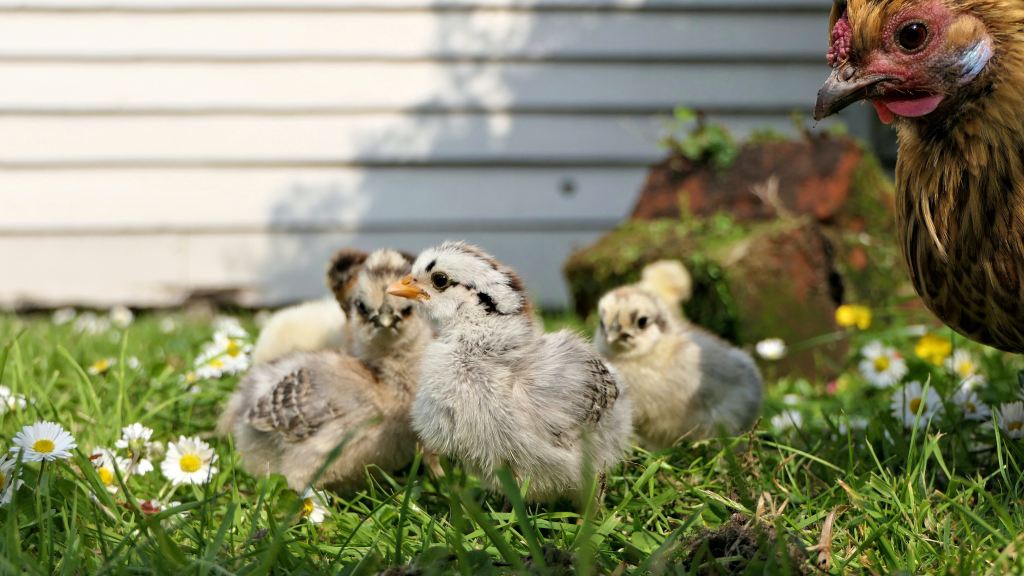
Before deciding to raise chickens, it’s essential to consider factors such as local regulations, available space, and the time and resources required for their care.
Chickens have basic needs to be met to ensure their survival, health, and well-being.
Here are the essential requirements for raising chickens:

Shelter: Chickens need a secure and dry coop for protection from predators, the elements, and extreme temperatures. The coop should provide adequate ventilation while preventing drafts. Chickens like to roost at night, so provide horizontal perches inside the coop. Each chicken should have about 10-12 inches of roosting space. The perches should be higher than the nesting boxes to discourage sleeping in the nests.
Space: Chickens require enough space to move around comfortably. Overcrowding can lead to stress, aggression, and health issues. The recommended space per chicken varies, but a general guideline is about 3-4 square feet per bird inside the coop and 7-10 square feet per bird in an outdoor run.
Nesting Boxes: Hens need private, quiet nesting boxes for laying eggs. Provide one nesting box for every 3-4 hens, and keep them filled with clean bedding material.
Bedding: Use a suitable bedding material (such as straw, wood shavings, or hay) on the coop floor to absorb moisture, provide insulation, and make cleaning easier. Change the bedding regularly to maintain a clean and healthy environment.
Feed and Water: Chickens require a balanced diet to stay healthy and lay eggs. Feed them a commercial poultry feed appropriate for their age and purpose (laying, meat production, etc.). Provide clean and fresh water at all times. Consider supplementing their diet with treats like fruits, vegetables, and grains. Scratch feed is generally considered a “treat” – It does not provide the proper amount of protein for hens to lay nutrient-dense eggs. Water consumption is extremely important for a chicken’s health. Lack of water can also cause hens to stop laying. Lack of calcium can cause your hen’s eggs to come out brittle. A way to combat this is to supplement oyster shells- Or to grind up egg shells and add to regular feed.
Grit: Chickens need access to grit, small stones, or gravel, to aid in the digestion of food. Grit helps chickens break down grains and other hard-to-digest foods in their gizzards.
Dust Bath : Chickens enjoy dust bathing to keep their feathers clean and control parasites. Provide a designated area with fine sand or dust where they can engage in this natural behavior. If your hens aren’t laying as much- it could be due to a mite infestation. This can be avoided, and mended, by providing a space for dust bathing.
Security: Protect chickens from predators by securing the coop with sturdy fencing and using hardware cloth to cover windows and ventilation openings. Lock the coop at night to prevent nighttime predation. Electric fencing can help mitigate predators as well.
Medical Care: Monitor your chickens for signs of illness and provide veterinary care when needed. Vaccinate against common poultry diseases, and practice good biosecurity to prevent the spread of diseases.
Entertainment: Chickens are curious and benefit from mental stimulation. Provide items like perches, hanging vegetables, and even toys to keep them entertained.
Natural Light: Whenever possible, allow chickens access to natural light during the day. Sunlight is essential for their well-being and helps regulate their biological processes, including egg production.
Meeting these basic needs will contribute to the health and happiness of your chickens, whether you’re raising them for eggs, meat, or companionship.
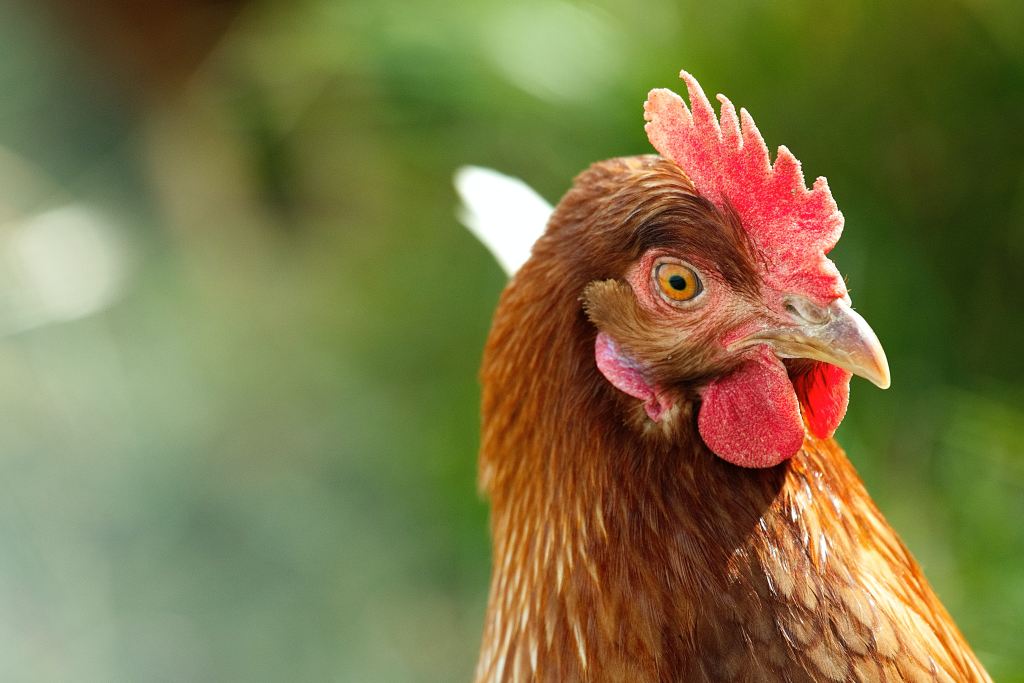
Here are some chicken breeds that are considered suitable for beginners:
For beginners, it’s advisable to start with chicken breeds that are known for their docile nature, adaptability, and ease of care. When choosing a breed, consider factors such as the climate in your area, the purpose of raising chickens (eggs, meat, pets), and the space available. Additionally, it’s important to check local regulations regarding chicken keeping and to provide appropriate housing and care for the birds.
Beginner-friendly breeds are generally more forgiving and adaptable, making the learning experience enjoyable for those new to raising chickens.
Rhode Island Red: Known for their hardiness, Rhode Island Reds are good layers of brown eggs. They are friendly and easy to handle.
Plymouth Rock (Barred Rock): These chickens are known for their calm demeanor and are good layers of brown eggs. They are also cold-hardy and do well in various climates.
Buff Orpington: Orpingtons are known for their gentle and friendly nature. They are good layers of brown eggs and have beautiful, fluffy plumage.

Sussex: Sussex chickens come in various colors, and they are known for their friendly temperament. They are good layers and adapt well to different environments.
Silkies: Silkies are known for their unique appearance with fluffy plumage and feathered feet. They are generally calm and make good pets. While they may not be the most prolific egg layers, they are popular for their friendly nature.
Australorp: Australorps holds the world record for egg production. They are known for their calm temperament and are good layers of brown eggs.
Easter Egger: Easter Eggers are hybrids that lay eggs in shades of blue, green, and even pink. They are known for their friendly nature and are a popular choice for backyard flocks.
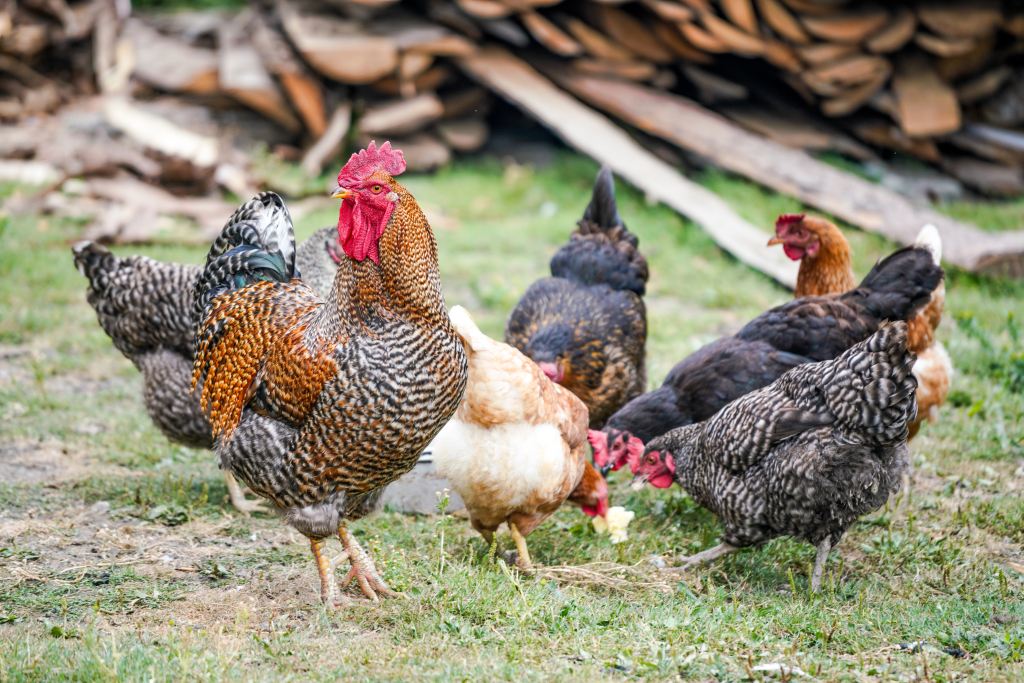
Whether you are an experienced homesteader or a beginner backyard enthusiast, raising chickens can be a delightful and satisfying experience. The joy of observing the daily routines of your flock and enjoying the fruits of their labor makes it all worthwhile. So, embrace the clucks, the scratches, and the occasional dust bath, because in the world of backyard poultry, the rewards are plentiful, and the journey is as meaningful as the destination.
 Native Grounds Farm