
Plants have developed specific relationships with each other, forming a delicate balance that encourages growth and resilience. Companion planting is an ancient agricultural technique that utilizes these natural affinities to promote healthier crops, deter pests, and maximize yields. In this blog post, we will delve into the intriguing realm of companion planting, exploring the science behind it and offering practical advice for implementing it in your garden.
Understanding Companion Planting:
Companion planting involves strategically placing different plants in close proximity to enhance each other’s growth and protect against common pests. The practice draws inspiration from the symbiotic relationships observed in nature, where certain plants naturally thrive when grown alongside specific companions. This holistic approach to gardening harnesses the power of biodiversity to create a harmonious and resilient ecosystem.

Key Benefits of Companion Planting:
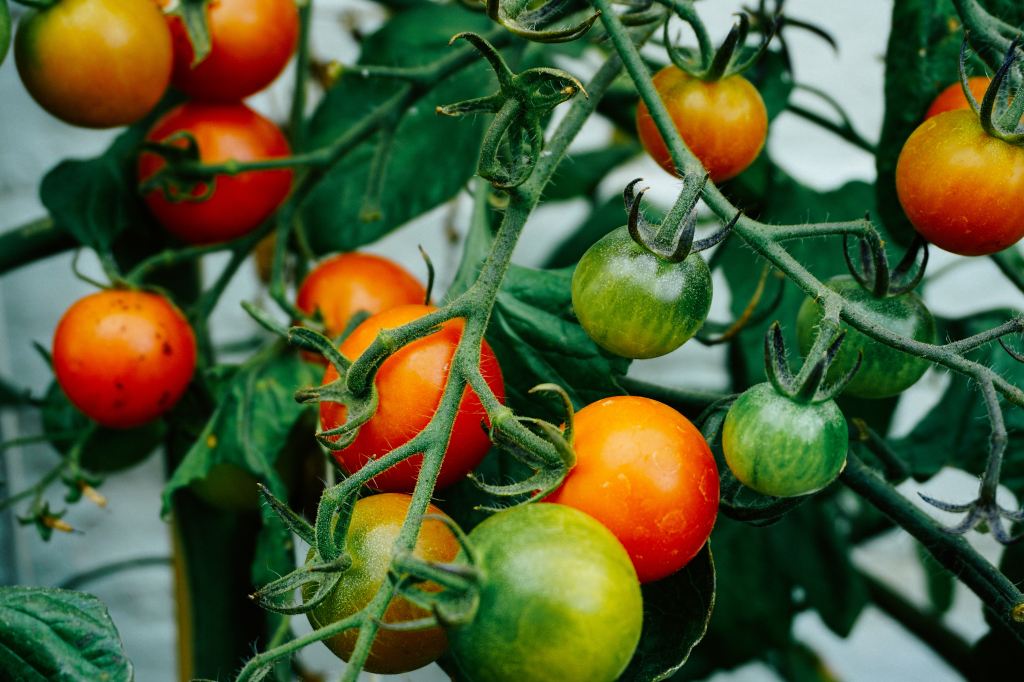
- Pest Control: One of the primary advantages of companion planting is its ability to naturally repel pests. Certain plant combinations emit odors or release chemicals that deter harmful insects, reducing the need for synthetic pesticides. For example, planting marigolds alongside tomatoes can help fend off nematodes, while basil can protect tomatoes from common pests like aphids.
- Soil Enrichment: Companion plants often contribute to soil health by fixing nitrogen or releasing essential nutrients. Legumes, such as peas and beans, have the ability to fix nitrogen in the soil, benefiting neighboring plants like corn or lettuce that thrive on nitrogen-rich environments.
- Improved Pollination: Some plant pairings can enhance pollination, leading to increased yields for fruit and vegetable crops. Planting flowers like bee balm or lavender near fruit trees or vegetable patches can attract pollinators like bees and butterflies, ensuring better fertilization and more abundant harvests.
- Space Utilization: Companion planting allows for efficient use of space by optimizing the placement of different plant species. Tall plants can provide shade for shorter, sun-sensitive varieties, while sprawling crops can act as ground cover, reducing soil erosion and suppressing weeds.

Popular Companion Planting Combinations:
- Three Sisters: A classic Native American technique, the Three Sisters planting involves growing corn, beans, and squash together. The corn provides a structure for the beans to climb, while the beans fix nitrogen in the soil. The squash acts as ground cover, suppressing weeds and conserving moisture.
- Tomato and Basil: Tomatoes and basil are not only a flavorful combination in the kitchen but also complement each other in the garden. Basil helps repel tomato hornworms and other pests that commonly affect tomatoes.
- Carrots and Onions: Planting carrots and onions together are a classic example of companion planting. Onions deter carrot flies, while carrots help repel onion flies, creating a mutually beneficial relationship.
- Nastriums and Cucumbers: Planting Nastrium flowers near cucumbers can deter cucumber beatles and pests.
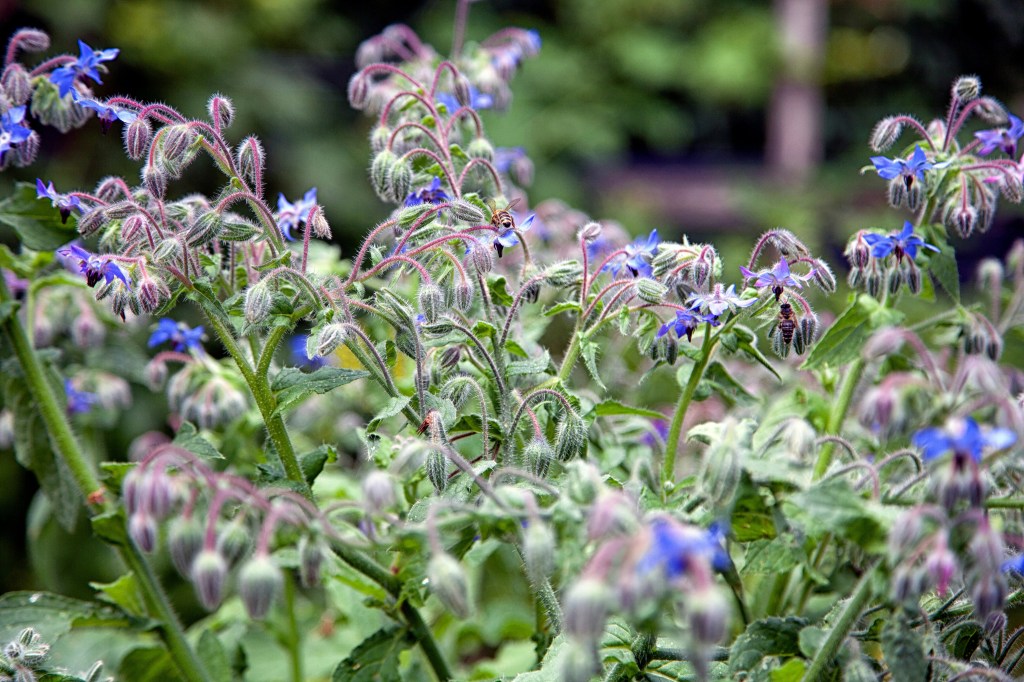
- Borage and Strawberries: Planting Borage with Strawberries can also deter common pests- while attracting beneficial pollinators.
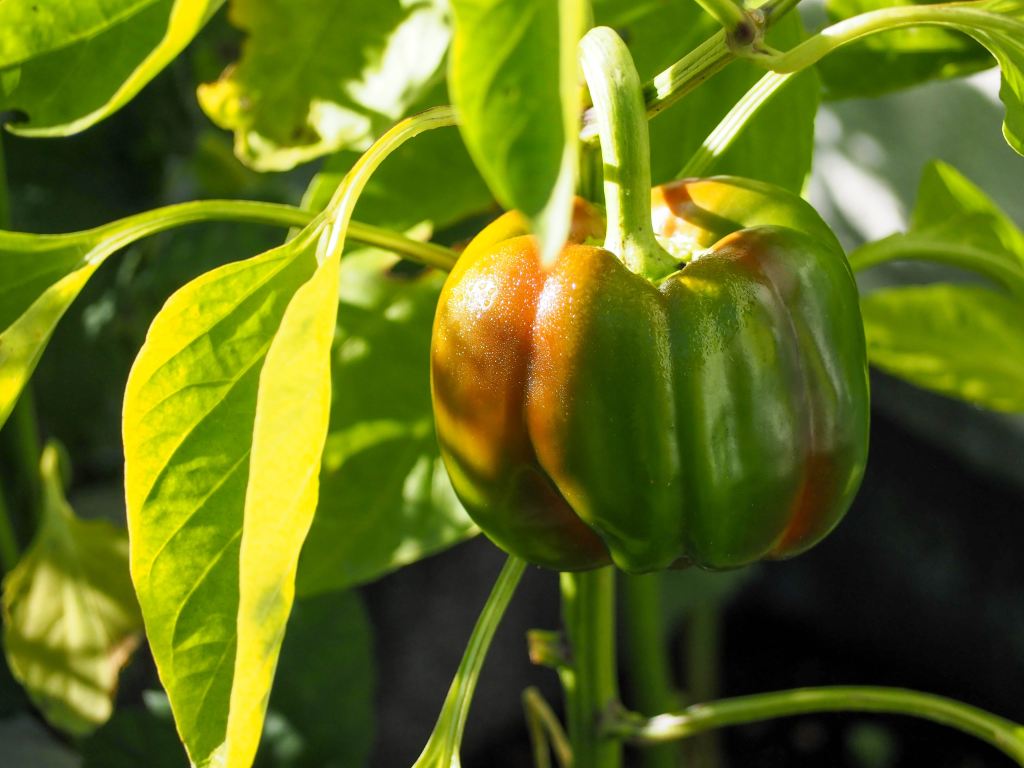
- Bell Peppers and Oregeno: Certain herbs have insecticidal qaulities (keeps the harmful insects away) for many plants- including bell peppers!
Tips for Successful Companion Planting:
- Research plant compatibility: Understand the specific needs and characteristics of the plants you want to grow and identify suitable companions based on these traits.
- Rotate crops: Avoid planting the same crops in the same location each year to prevent the buildup of pests and diseases. Rotate crops with different companions to maintain a diverse and healthy garden.
- Experiment and observe: Gardening is an ongoing learning process. Experiment with different companion plant combinations in your garden and observe the results to fine-tune your approach over time.
Remember that companion planting is not a one-size-fits-all approach, and it’s essential to observe and adapt based on the specific conditions in your garden. Additionally, crop rotation and maintaining overall garden health contribute to the success of companion planting strategies. Experimenting with different combinations and paying attention to the needs of your plants will help you discover the most effective companions for your particular gardening environment.
Embrace the art and science of companion planting to cultivate a harmonious haven where plants support each other, and nature’s wisdom guides your gardening journey.

Disclaimer:
Just as there are plants that help each other- there are also plants that should NOT be planted together for these exact reasons. So do your research to avoid attracting pests, and disease to your precious crops!
 Native Grounds Farm
I do tomato and basil together a lot. Now, if I could just add mozzarella in the garden I would never have to go indoors!
LikeLiked by 1 person