
Gardening is a rewarding and therapeutic hobby that allows individuals to connect with nature, beautify their surroundings, and enjoy the fruits (and vegetables) of their labor. If you’re a beginner eager to embark on this green journey, you’re in the right place. This comprehensive guide will walk you through the essential steps, tips, and tricks to help you kickstart your gardening adventure.

Choosing the Right Location
Selecting the optimal location for your garden is a crucial decision that significantly influences the success of your plants. Sunlight exposure is a key factor to consider, as most plants require a certain amount of sunlight to thrive. Observe the sunlight patterns in your yard throughout the day and choose a spot that receives adequate sunlight for the type of plants you intend to grow.
Additionally, consider the soil quality in different areas of your garden space. Conduct a soil test to determine its composition and fertility. Some plants prefer well-draining soil, while others thrive in moisture-retentive soil.
The proximity to water sources is also essential for efficient watering. Assess the wind patterns in your area, as strong winds can damage delicate plants.
Finally, consider the convenience of the location for regular maintenance and harvesting. By carefully selecting the right location, you lay the foundation for a flourishing and vibrant garden.

Selecting Your Plants
Choosing the right plants for your garden is pivotal in creating a thriving and visually appealing outdoor space. Consider the climate and weather conditions of your region, as different plants have specific temperature and humidity requirements. Take note of the soil type in your garden, as some plants thrive in acidic soil, while others prefer alkaline or well-draining conditions. Assess the amount of sunlight available in your chosen location, as this will determine the types of plants that can flourish there.
Furthermore, think about the purpose of your garden—whether it’s for ornamental purposes, culinary delights, or attracting pollinators. Select a diverse range of plants with varying heights, colors, and bloom times to create a dynamic and balanced garden.
Factor in your available time for maintenance; some plants require more care than others. By carefully considering these factors, you can curate a garden filled with plants that survive and thrive in their chosen environment.
As a beginner, it’s wise to start with easy-to-grow plants. Herbs like basil, mint, and rosemary, or vegetables like tomatoes and lettuce, are excellent choices. Research each plant’s specific needs, such as sunlight, water, and soil requirements, to ensure they thrive in your chosen location.
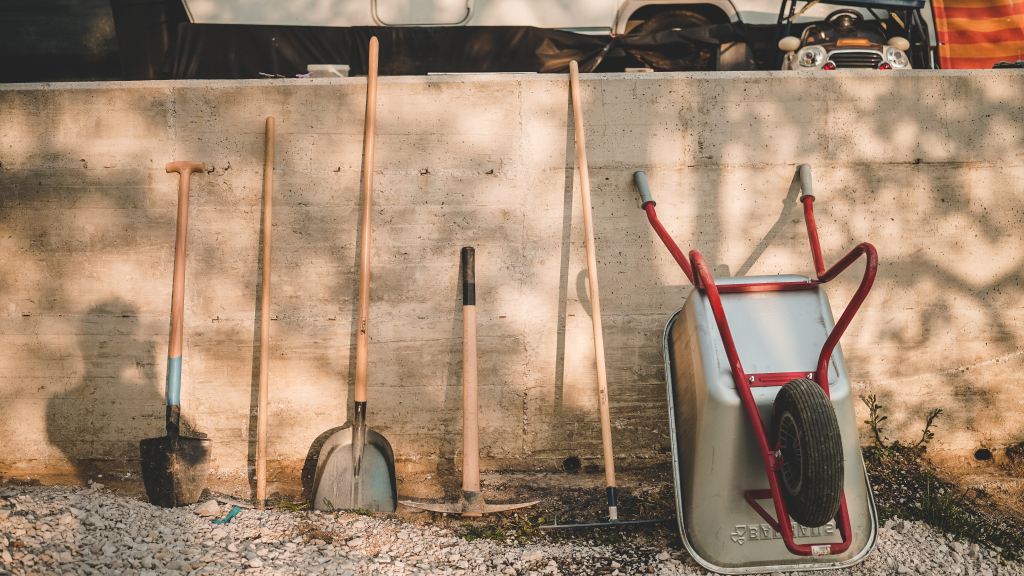
Essential Gardening Tools
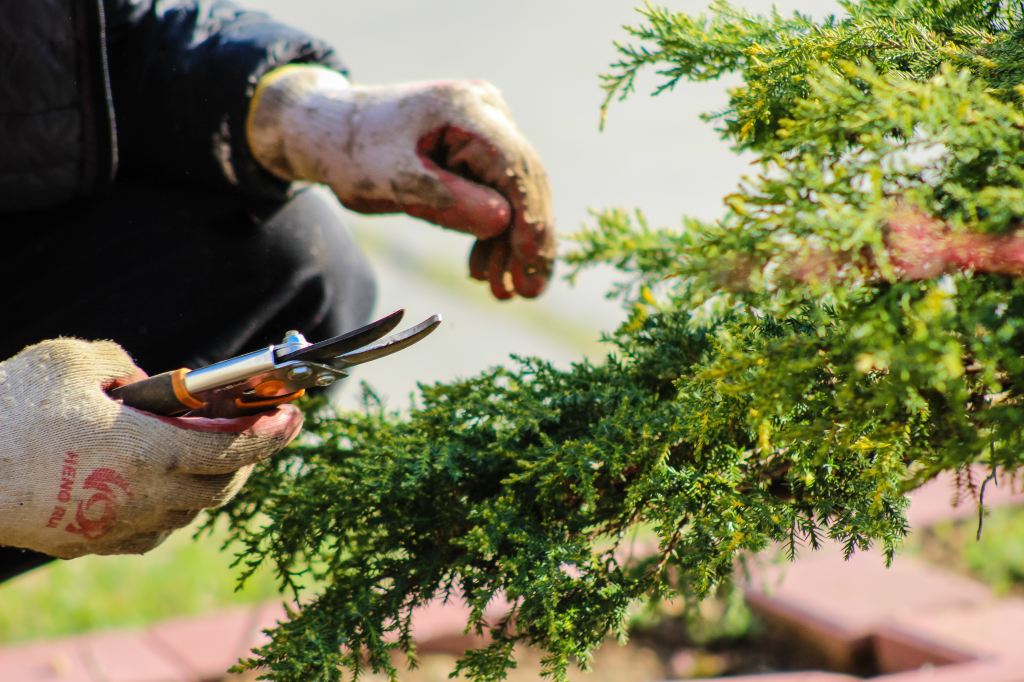
Start by considering the type of gardening tasks you’ll be undertaking. Basic tools such as a sturdy shovel, rake, and pruners are essential for most gardens, while specialized tools like trowels, weeding tools, and a garden hoe can cater to specific needs.
Quality matters, so invest in durable, well-crafted tools that will withstand regular use and last longer. Ergonomics is another crucial factor—opt for tools with comfortable grips and handles to prevent strain during extended use.
Depending on the size of your garden, mechanized tools like a lawnmower or a tiller can save time and effort. Don’t forget about protective gear such as gloves and knee pads to keep yourself comfortable and safe. By selecting the right tools tailored to your gardening requirements, you enhance the overall experience and make the necessary tasks more enjoyable and effective.
Planning and Layout
Begin by assessing the available space and taking note of existing features such as trees, structures, or natural focal points.
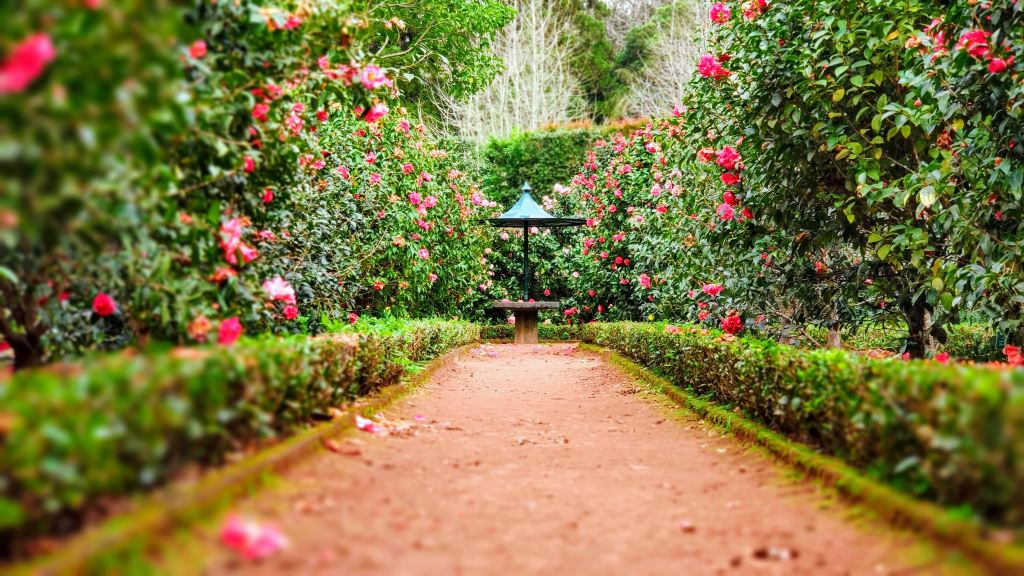
Consider the purpose of your garden, whether it’s for relaxation, entertaining, or growing specific plants. Plan pathways that not only connect different areas but also guide the flow of movement through the garden.
Arrange plants in a way that accommodates their sunlight and water requirements, placing taller varieties towards the back and shorter ones in the foreground for optimal visibility. Incorporate a mix of colors, textures, and seasonal interests to create visual appeal throughout the year. Balance is key, so avoid overcrowding and allow for ample space between plants to promote healthy growth.
Factor in seating areas or decorative elements to enhance the ambiance. By carefully orchestrating these elements, you can craft a garden layout that is both visually stunning and tailored to your practical needs.
Soil Preparation
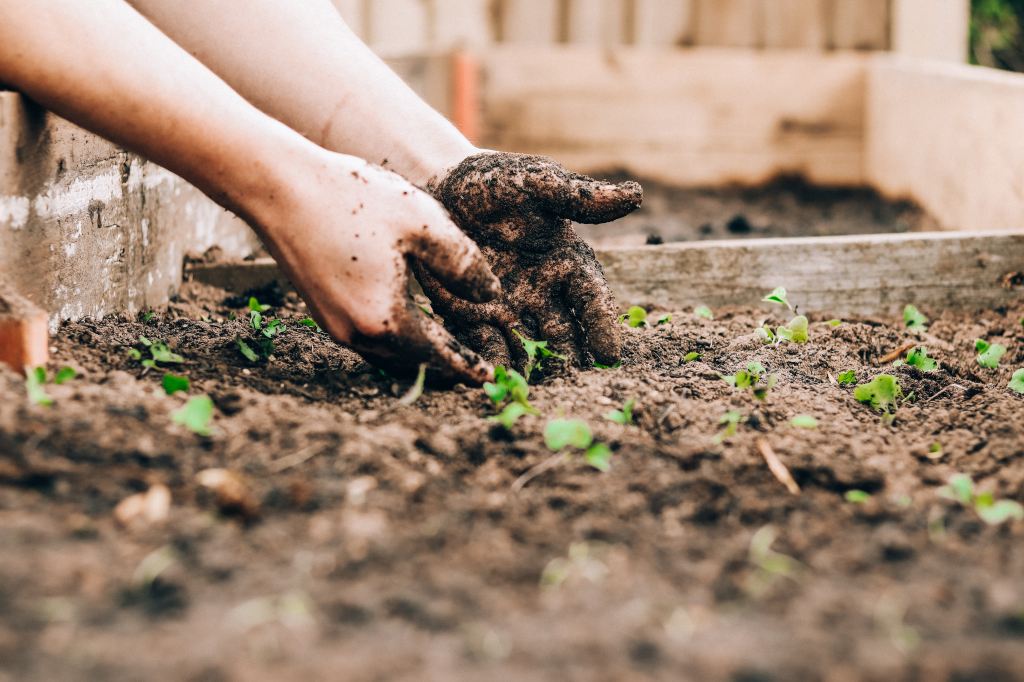
Maintaining soil health is paramount for a thriving garden. Healthy soil is teeming with beneficial microorganisms, essential nutrients, and a well-balanced structure that supports plant growth.
One key aspect of soil health is ensuring proper nutrient content. Regularly testing the soil and amending it with organic matter like compost helps replenish essential nutrients and improves water retention. Additionally, practicing crop rotation minimizes nutrient depletion and reduces the risk of pests and diseases.
Adequate aeration is another critical factor; compacted soil can hinder root growth and water absorption. To foster a vibrant ecosystem beneath the surface, it’s crucial to avoid excessive use of chemical fertilizers and pesticides that can disrupt the delicate balance of microorganisms. By prioritizing soil health through sustainable practices, gardeners not only ensure bountiful harvests but also contribute to the long-term fertility and resilience of their gardening space.
Watering Wisely
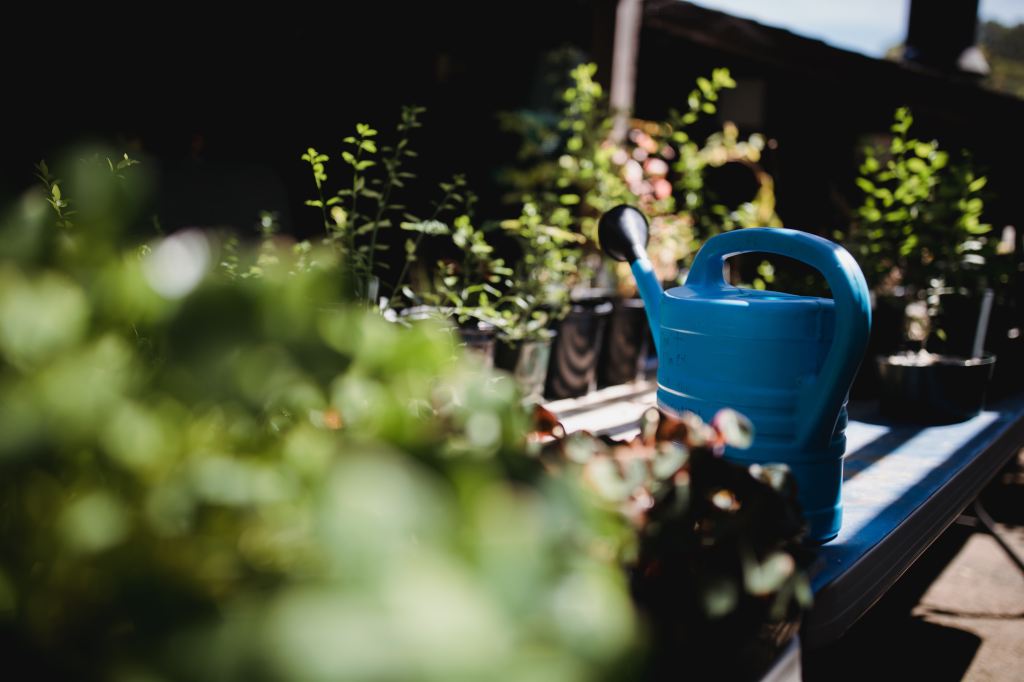
Watering your garden correctly is a crucial aspect of plant care that directly impacts their health and productivity. It’s essential to water deeply and infrequently. This encourages plants to develop deep, robust root systems, making them more resilient to drought conditions. Morning is the ideal time to water, as it allows plants to absorb moisture before the heat of the day.
Aim to water at the base of the plants to minimize evaporation and discourage the growth of mold and mildew. Use a soaker hose or drip irrigation system for efficient and targeted watering. Mulching around plants helps retain moisture, reduce evaporation, and suppress weeds.
Regularly check the soil moisture by inserting a finger into the soil; if it feels dry an inch below the surface, it’s time to water. Adjust watering frequency based on weather conditions, as plants need less water during periods of rainfall. By adopting these watering tips, you’ll contribute to a healthier, more water-efficient garden.
Pest Management
Protecting your garden from pests requires a combination of preventive measures and strategic interventions. Start by practicing good garden hygiene; remove debris, weeds, and fallen leaves regularly, as they can harbor pests.
Companion planting, where certain plants are grown together to deter pests, is a natural and effective method.
Introduce beneficial insects like ladybugs and lacewings that prey on common garden pests.
Neem oil and garlic spray are natural repellents that can help keep pests at bay.
Installing physical barriers such as row covers can protect plants from flying insects.
Crop rotation is another valuable strategy, as it disrupts the life cycles of soil-dwelling pests.
Regularly inspect your plants for signs of infestation, and if necessary, manually remove the pests.
By combining these tips and tricks, you can create a pest-resistant environment and foster a healthier, thriving garden.
Patience and Persistence
Gardening is a learning process, and not every plant will thrive on the first try. Be patient and persistent. Learn from your experiences, adapt your approach, and celebrate the successes, no matter how small.
Embarking on a gardening journey as a beginner may seem daunting, but with the right knowledge and enthusiasm, you’ll soon find yourself surrounded by a thriving garden. Remember to enjoy the process, connect with fellow gardeners, and revel in the joy of nurturing life from seed to harvest. Happy gardening!
 Native Grounds Farm
One Comment Add yours