
Sourdough bread has gained immense popularity for its unique flavor, chewy texture, and the satisfaction that comes with baking your own artisanal loaf. At the heart of this culinary adventure lies the sourdough starter—a living, breathing mixture of flour and water that captures wild yeast and bacteria. In this guide, we’ll take you through the step-by-step process of creating and maintaining your own sourdough starter.

Sourdough is a type of bread that relies on natural fermentation. Unlike commercial yeast, added to most bread recipes, sourdough relies on wild yeast and lactic acid bacteria in the environment and the ingredients. The key to successful sourdough lies in cultivating a robust and active sourdough starter.
Ingredients:
- Whole wheat or all-purpose flour
- Filtered or dechlorinated water
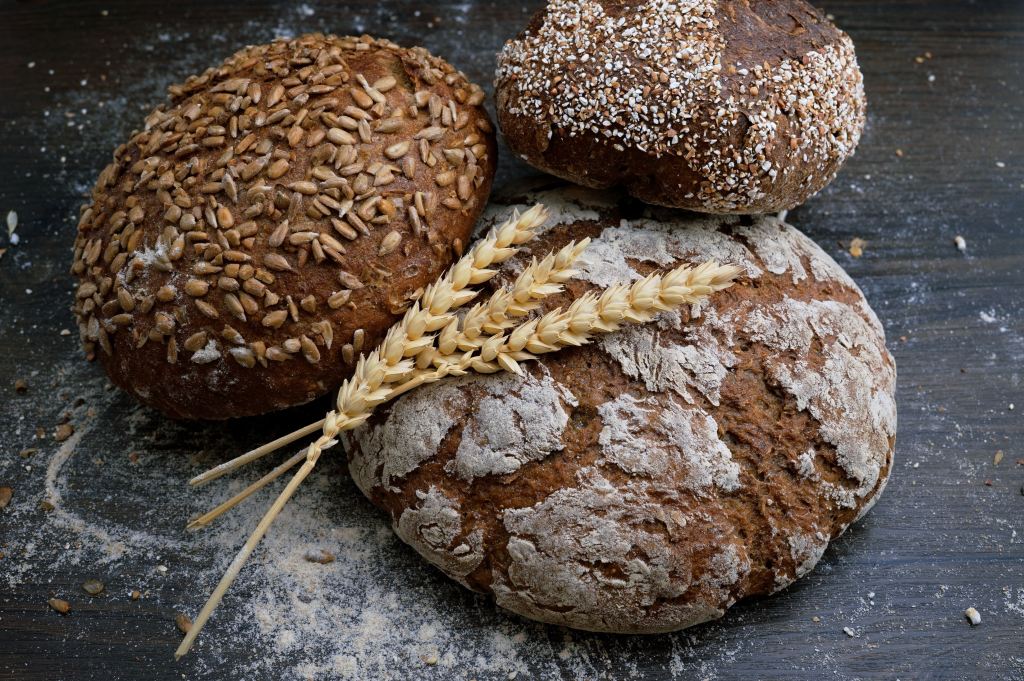
Day 1: Creating the Starter
- In a sterilized glass or plastic container, combine equal parts flour and water (e.g., 1/2 cup of each). Mix until it forms a thick but smooth batter.
- Cover loosely with a cloth or plastic wrap to allow airflow.
- Leave the mixture at room temperature (around 70°F or 21°C) for 24 hours.
Day 2: Feeding the Starter
- Discard half of the starter (about 1/4 cup).
- Add equal parts flour and water (1/4 cup each) to the remaining starter. Mix well.
- Cover and let it sit for another 24 hours.
Days 3-7: Daily Feedings
- Repeat the discarding and feeding process daily, maintaining equal parts of flour and water.
- Look for bubbles, a rise in volume, and a sour aroma. These are signs that the starter is becoming active.

Maintaining Your Starter:
- Once the starter is consistently bubbly and doubles in size within 4-8 hours after feeding, it’s ready to use.
- If not baking regularly, store the starter in the refrigerator. Bring it to room temperature and feed it at least once a week.
Troubleshooting:
- If your starter has an off-putting smell or discoloration, it might need more frequent feedings or a different flour.
- Adjust the feeding schedule based on the ambient temperature.

Baking with Your Sourdough Starter: Now that you have a thriving sourdough starter, you can use it to bake a variety of delicious bread recipes. Experiment with different flours, hydration levels, and fermentation times to customize the flavor and texture of your bread.
Creating a sourdough starter is a rewarding journey that connects you with the ancient art of breadmaking. With patience and a little experimentation, you’ll be able to enjoy the fruits of your labor—freshly baked, homemade sourdough bread that’s uniquely yours. Happy baking!
 Native Grounds Farm