
Starting a garden is a thrilling and fulfilling task. It doesn’t matter if you’re new to gardening or trying to enhance your skills, preparing your garden correctly is crucial for a fruitful yield. In this comprehensive guide, we will take you through the necessary steps to prepare your garden for planting and set the stage for a prosperous growing season.
Choose the Right Location:
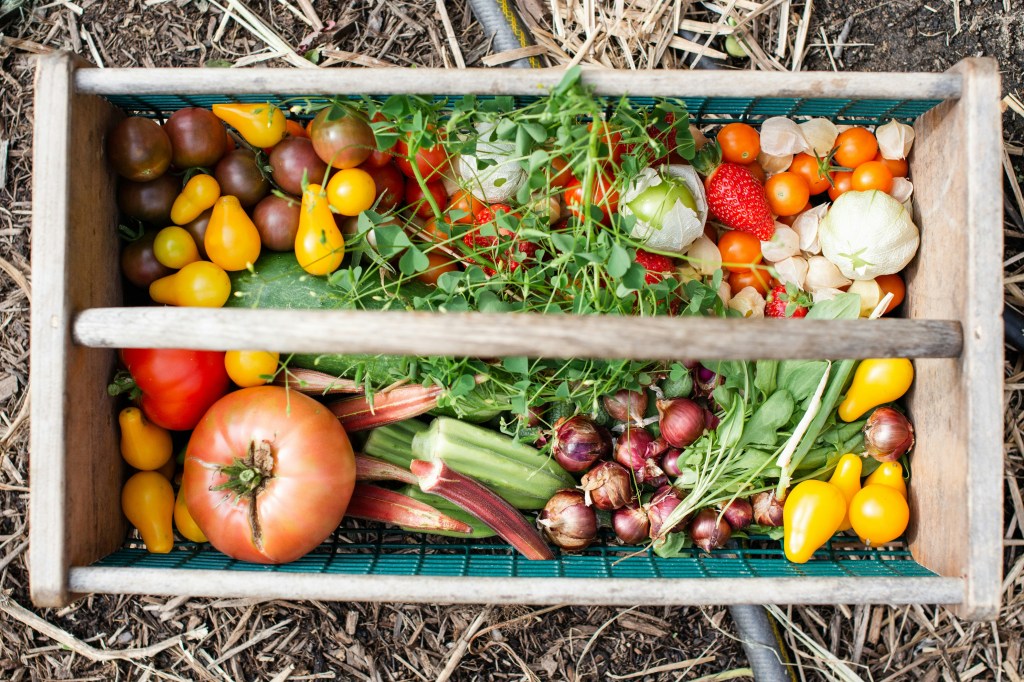
Choosing the perfect spot for your garden is really important. For the most part, plants grow best in soil that drains well and with plenty of sunlight. Therefore, it’s best to select an area that receives at least 6-8 hours of direct sunlight each day. It’s best to avoid low-lying areas where rainwater tends to accumulate, as too much moisture can cause root rot and other issues.
Plan Your Garden Layout:
Before starting your gardening project, it’s a good idea to create a rough layout of your garden. Take into account the eventual size of each plant and ensure that you provide enough space between them for proper growth. It’s also a good idea to group plants with similar water and sunlight requirements together, as this will make it easier to take care of them. By taking this planning step, you’ll be able to make the most of your space and create a beautiful garden that is both functional and visually appealing.
Prepare the Soil:
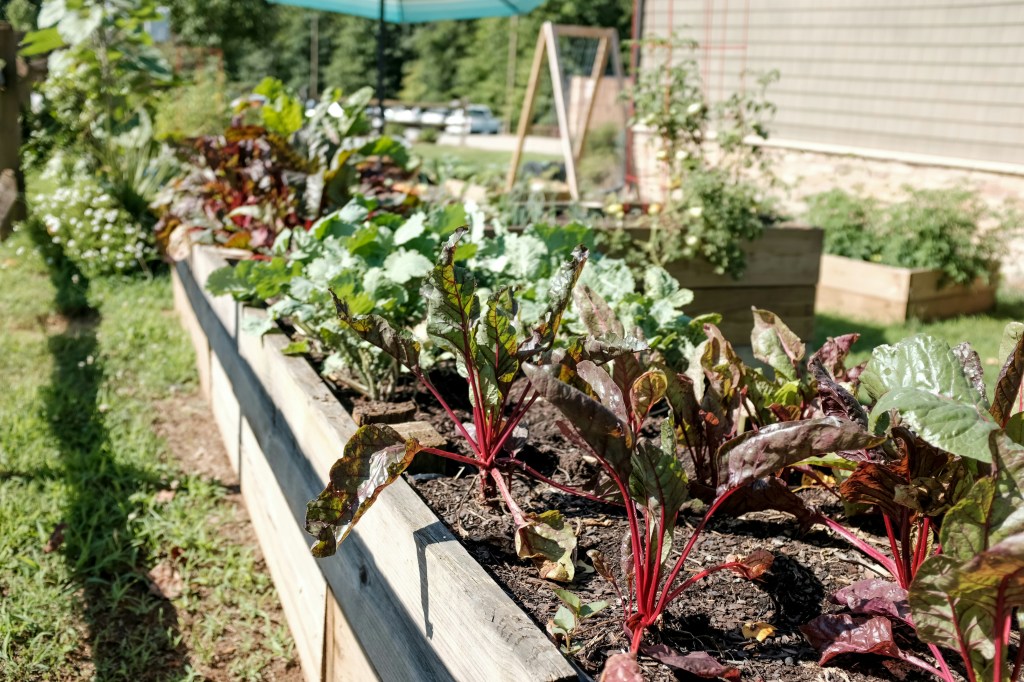
Having healthy soil is the foundation of any successful garden. To determine the pH and nutrient levels of your soil, it’s recommended that you test it. Once you have the results, you can amend the soil accordingly. Most plants thrive in slightly acidic to neutral pH soil, which is around 6.0-7.0. To improve soil structure and fertility, it’s advisable to incorporate organic matter such as compost or well-rotted manure. To promote root development, ensure that the soil is worked to a depth of at least 6-8 inches.
Gather Essential Tools:
Make your gardening tasks more efficient by equipping yourself with the necessary tools. Some essential tools include a shovel, rake, hoe, gloves, pruners, and a watering can or hose. Having the right tools at hand will make the planting process smoother and more enjoyable.
Choose the Right Plants:
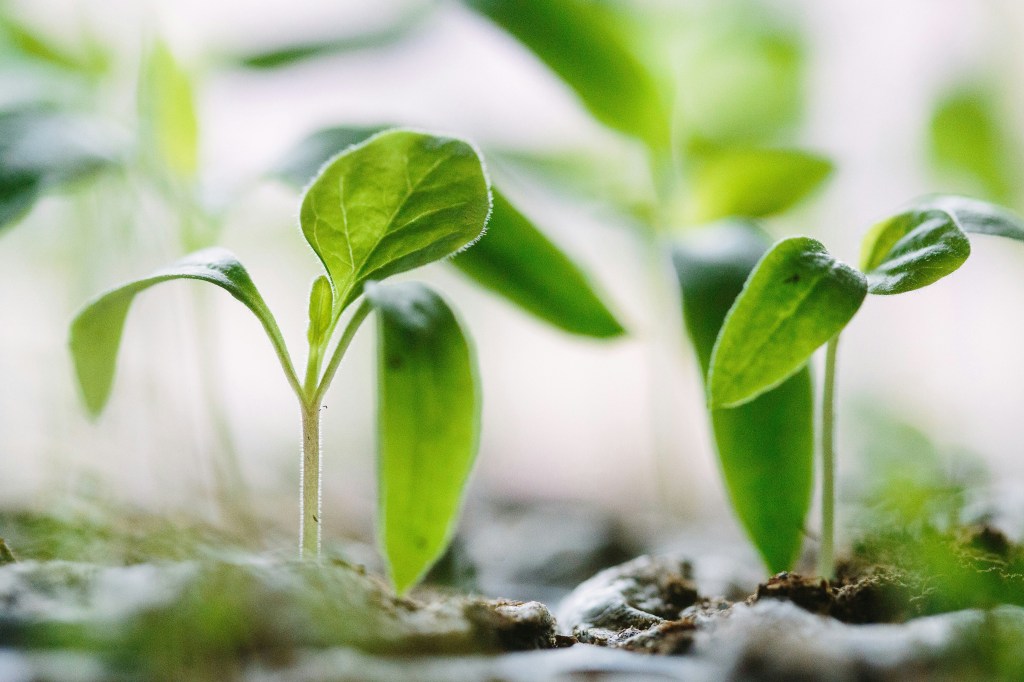
When it comes to choosing the perfect plants for your garden, there are several factors to consider, such as the climate of your region, the type of soil in your garden, and the amount of sunlight your garden receives. It would be best if you researched plants that are most suitable for your specific conditions. It is also a good idea to diversify your garden by incorporating a mix of vegetables, flowers, and herbs.
Timing Is Everything:
It’s important to know about your region’s planting calendar as different plants have specific growing seasons. You need to be aware of the right time for sowing seeds or transplanting seedlings. To get a planting schedule tailored to your area, you can seek help from local gardening resources or cooperative extension services.

Start Seeds Indoors (if applicable):
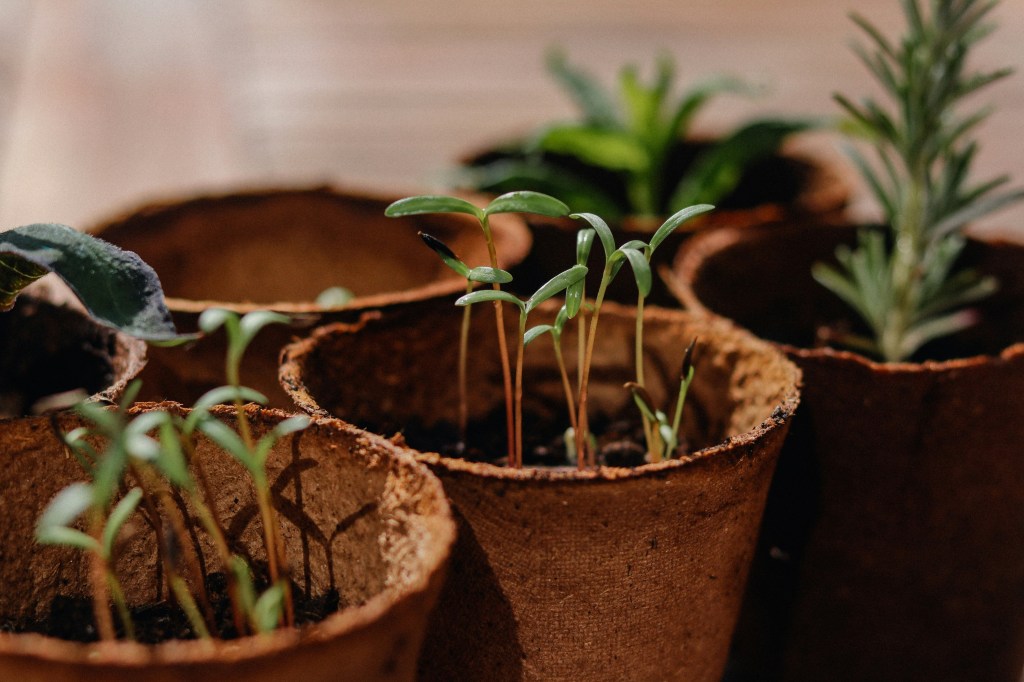
Certain plants can benefit from being started indoors, especially in regions with shorter growing seasons. Start the seeds in containers using a good quality seed-starting mix, and ensure that they receive adequate light and warmth. Once the seedlings are strong enough to withstand outdoor conditions, transplant them into your garden.
Implement Proper Watering Techniques:
It’s important to keep your plants hydrated by establishing a regular watering routine. When watering, make sure to water deeply and consistently, aiming for the soil around the roots of the plant and not the overhead foliage. To help retain soil moisture and prevent weeds, it’s recommended to mulch around the plants. For efficient watering, consider investing in a soaker hose or drip irrigation system.
Consider Companion Planting:
Discover the benefits of companion planting by growing certain plants together to boost growth and repel pests. Research compatible plant combinations to create a harmonious and mutually beneficial garden environment.
Monitor and Adjust:
It is important to regularly inspect your garden for pests, diseases, and nutrient deficiencies. If any issues are found, they should be addressed promptly to prevent escalation. Additionally, it is important to remain observant and adjust gardening practices as necessary.

Embarking on the journey of planting a garden requires careful planning and preparation. You can start by choosing the right location, preparing the soil, selecting suitable plants, and following essential gardening practices. By doing so, you’ll increase the chances of having a successful and rewarding growing season. With dedication and care, your garden will flourish and provide you with the joy of nurturing life and enjoying the fruits of your labor. Happy gardening!
 Native Grounds Farm