
In today’s fast-paced and modern world, the allure of cottage gardens has remained a timeless expression of natural beauty and simplicity. These enchanting gardens are known for their informal design and a profusion of colors, textures, and scents, offering a retreat from the hustle and bustle of contemporary life. In this article, we will delve into the world of cottage gardens, exploring their history, design principles, and the joys they bring to both seasoned gardeners and beginners looking to cultivate a slice of paradise at home.
The History of Cottage Gardens:
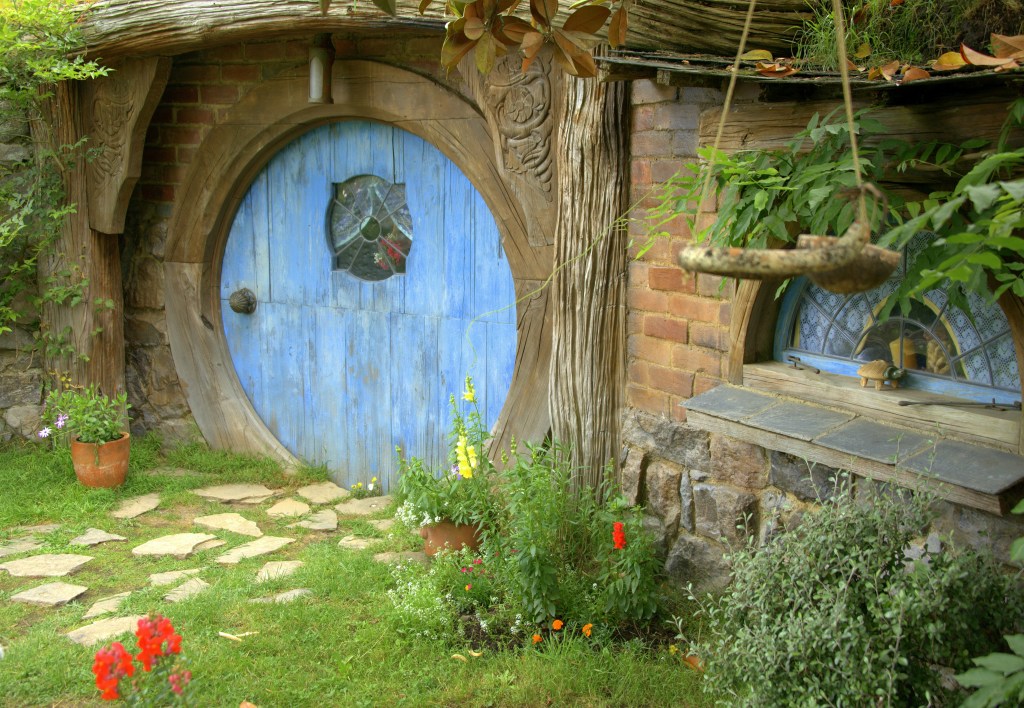
Cottage gardens originated in 18th century England, where they surrounded modest homes and were primarily used for growing crops to support the families. They also served as a place for self-expression and creativity. The distinctive feature of these gardens was blending practicality with aesthetics, which represented the resilience and resourcefulness of their caretakers.
Design Principles of Cottage Gardens:
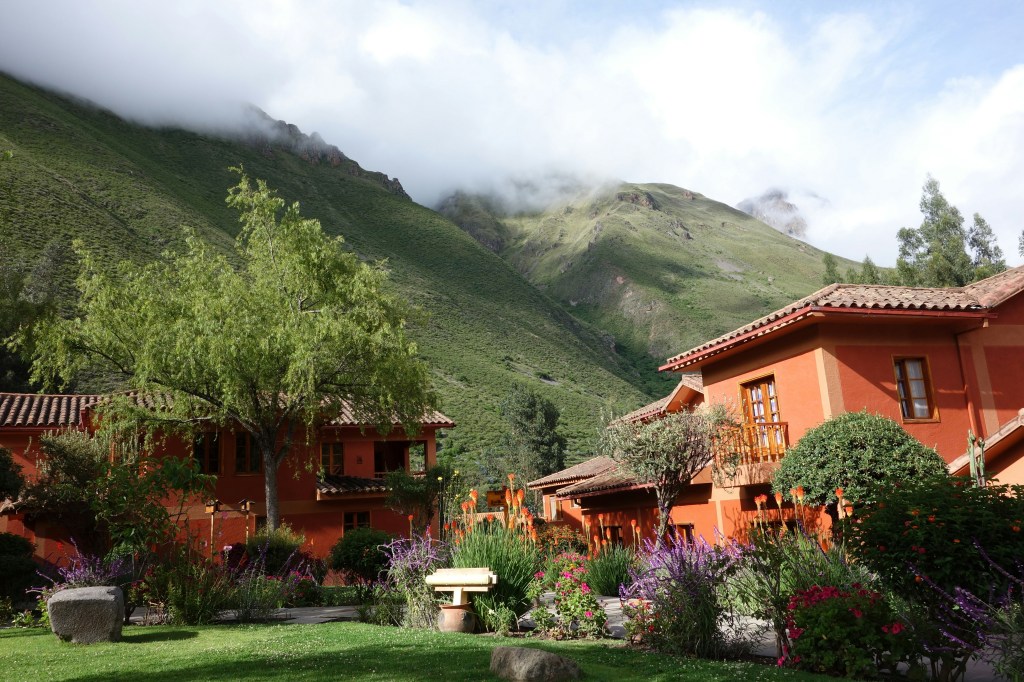
- Informality and Unpredictability: Cottage gardens abandon strict and rigid arrangements, preferring instead a more casual and seemingly disordered layout. Different plants are often mixed together, producing a pleasant blend of colors and textures. The crucial element is to accept and appreciate the lack of exactitude, allowing nature to run its course with all of its unpredictability.
- An abundance of Plant Variety: Cottage gardens are known for their diverse array of flowers, herbs, and sometimes even vegetables. They create a rich ecosystem that supports pollinators and other beneficial insects. Some traditional favorites found in cottage gardens are roses, lavender, delphiniums, and hollyhocks.
- Mixing Ornamentals and Edibles: One of the delightful aspects of cottage gardens is the seamless integration of ornamental and edible plants. Herbs such as rosemary and thyme often grow alongside a variety of colorful flowers, producing an aesthetically pleasing and functional landscape.
- Color Harmony: Although cottage gardens may appear wild, they are carefully planned to incorporate a harmonious color scheme or complementary colors that create an explosion of hues to captivate the senses.
- Recycled and Upcycled Elements: Cottage gardens often incorporate recycled or upcycled elements such as rustic fences, repurposed containers, and vintage garden tools to add a touch of nostalgia and authenticity to the space.
The Joys of Cottage Gardening:
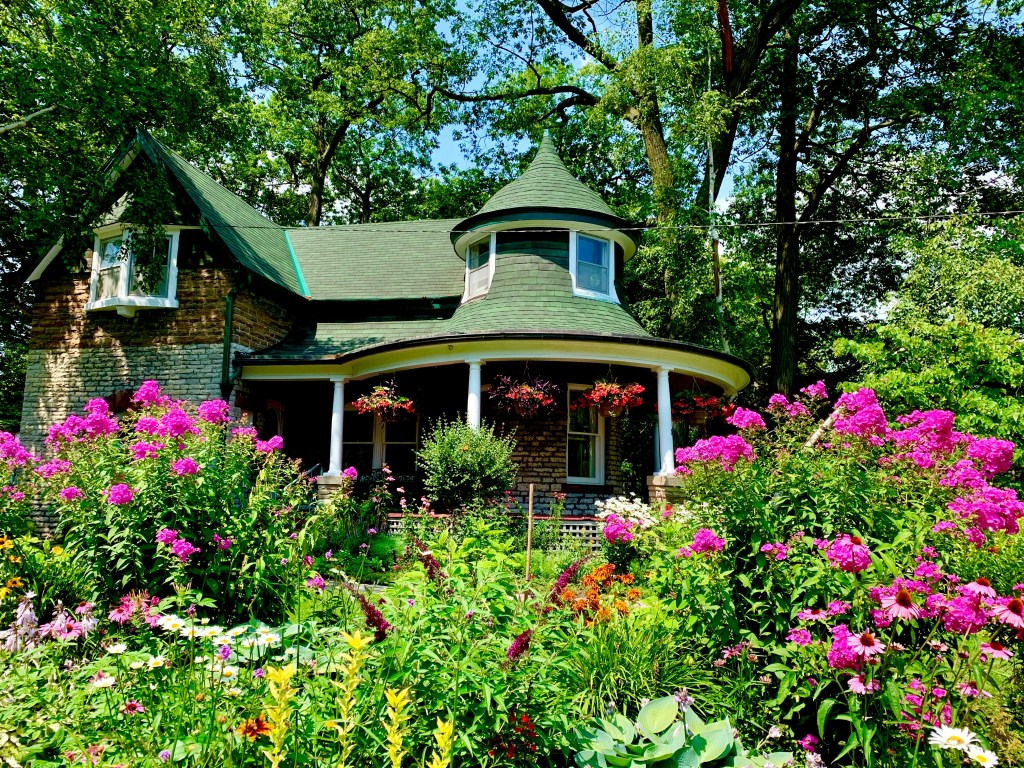
- Connection with Nature: Cottage gardens provide a chance to reconnect with nature. Tending to a garden and watching plants flourish fosters a deep connection with the natural world.
- Therapeutic Benefits: Gardening has been proven to have therapeutic benefits. Cottage gardens, with their vibrant colors and relaxed atmosphere, provide a sanctuary for those seeking solace and relaxation, thereby reducing stress and promoting mental well-being.
- Seasonal Delights: Cottage gardens are dynamic throughout the seasons. From the first blooms of spring to the vibrant colors of summer and the muted tones of autumn, each season brings new delights, ensuring the garden remains an ever-changing canvas.
- Wildlife Haven: The diverse plant life in cottage gardens attracts a myriad of wildlife, from butterflies and bees to birds and insects. Creating a habitat for these creatures not only adds to the charm but also contributes to the overall health of the local ecosystem.

Cottage gardens have a rich history and timeless appeal that invite us to embrace the beauty of imperfection and the joy of coexisting with nature. Whether you’re an experienced gardener or just starting out, cultivating a cottage garden can create a haven filled with nostalgia, color, and life. As you embark on this journey, remember that the true essence of a cottage garden lies not just in its blooms but in the memories and emotions it evokes – a testament to the enduring magic of nature.
 Native Grounds Farm