
Potatoes are a versatile and satisfying crop that can be grown in any home garden. Whether you’re an experienced gardener or just starting out, growing potatoes can be a rewarding experience. Here we will take you through the step-by-step process of cultivating your own potatoes. This includes selecting the right varieties, planting, maintaining, and harvesting a bountiful crop. Get ready to dig in and discover the secrets to successful potato cultivation.
Choosing Potato Varieties:
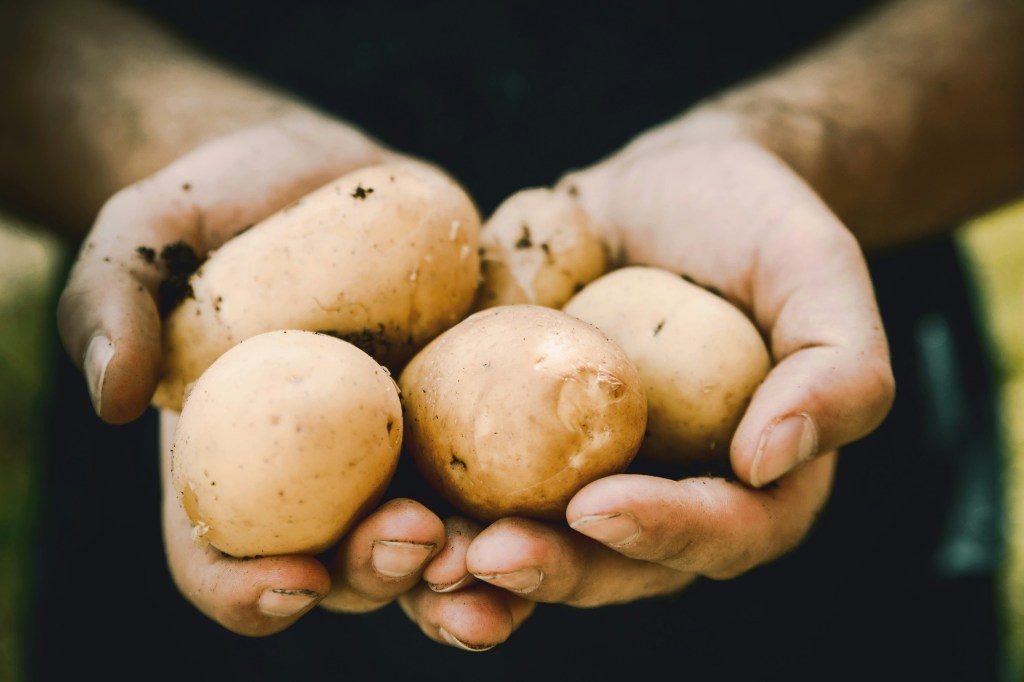
To ensure successful potato cultivation and a delicious harvest, it’s crucial to select the right potato varieties based on your growing conditions and culinary needs. There are three primary types of potatoes: early, mid-season, and late. Early potatoes mature quickly, while late potatoes take longer but often yield larger crops. Some popular varieties include Yukon Gold, Russet Burbank, and Red Pontiac. When choosing your potatoes, take into account your local climate, available growing space, and intended use for the potatoes.
Preparing the Soil:
Potatoes grow best in soil that is well-draining, loose, and has a slightly acidic to neutral pH (around 5.8 to 6.5). To prepare your garden bed, you should start by turning the soil to a depth of at least 8 inches in the fall or early spring. Adding organic matter, such as compost or well-rotted manure, can help improve the soil structure and fertility. However, you should avoid using fresh manure, as it can promote disease and encourage potato scab.
Planting Potatoes:
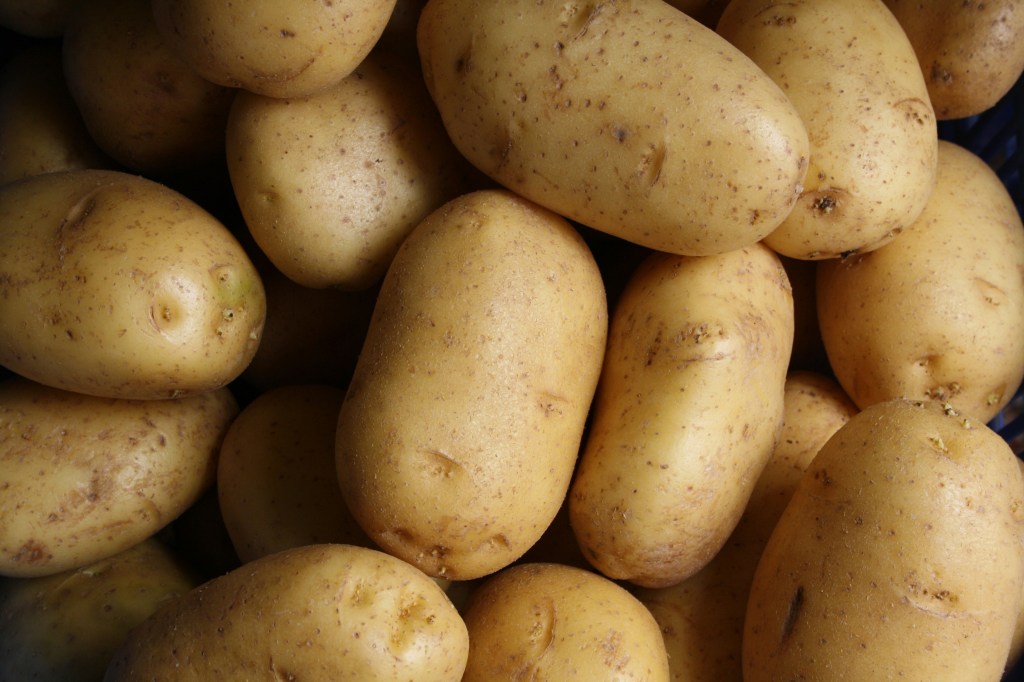
Potatoes are usually cultivated from seed potatoes, which are small tubers that are saved from the previous year’s crop. You can buy certified disease-free seed potatoes from a trustworthy supplier, or use your own if they are free of diseases. If you’re using your own seed potatoes, make sure to choose the healthiest ones available. Cut larger seed potatoes into pieces that each have one or two eyes, ensuring that each piece is about the size of a golf ball. After cutting the seed potatoes, allow them to dry for a day before planting them.
To grow potatoes, start by planting your seed potatoes at a depth of 4-6 inches. Make sure to space them 12-15 inches apart in rows that are 2-3 feet apart. As the plants grow, gradually add soil around the stems to encourage the development of tubers. This will also protect them from sunlight, which can cause them to turn green and produce solanine, a toxic compound.
Watering and Fertilizing:
It is important to maintain consistent moisture for potatoes, especially during the flowering and tuber-setting stages. You should aim to keep the soil evenly moist, but avoid waterlogging it. Mulching around the plants can help retain moisture and control weed growth. Potatoes do not require heavy feeding, but they can benefit from a balanced fertilizer application at planting time and again when the plants begin to flower.
Caring for Potato Plants:
Potatoes are generally easy to take care of, but it’s important to keep a few key tips in mind. Regularly inspect your plants for pests such as Colorado potato beetles and aphids, and remove them by hand or use organic insecticides if needed. Be on the lookout for signs of disease such as late blight or early blight, and address any problems promptly to prevent them from spreading.
Harvesting Potatoes:
One of the most thrilling parts of cultivating potatoes is the harvest. You can collect the early types when the plants start to bloom, while the mid-season and late varieties are ready when the tops of the plants begin to turn yellow and wither. Use a garden fork to gently loosen the soil and expose the potatoes underneath. Make sure not to harm the tubers during the harvest process.
Storing Potatoes:
After you have harvested your potatoes, it’s essential to cure them for around two weeks in a cool and dark place. Curing helps the skin of the potatoes to toughen, which promotes better storage. Once cured, store your potatoes in a cool, dry, and dark location like a root cellar or a well-ventilated pantry. Keep in mind that it’s best to avoid storing potatoes near onions because onions release gases that can cause both to spoil.
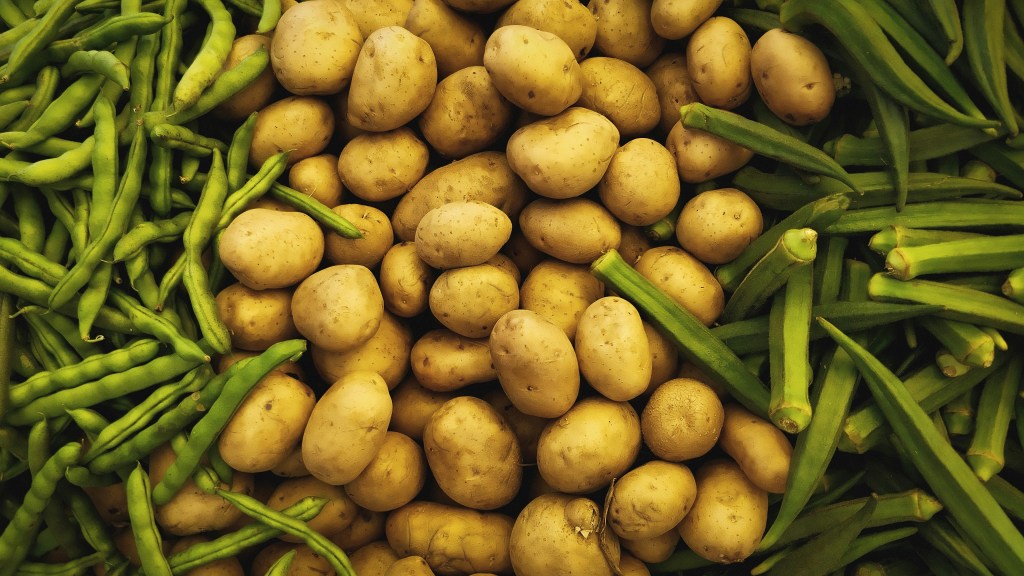
Growing potatoes at home can be a rewarding experience that results in a bountiful harvest of fresh and nutritious produce for your kitchen. To get started, it’s important to choose the right variety of potatoes, prepare the soil, plant them properly, and provide adequate care throughout the growing season. With these guidelines in mind, you’ll be well on your way to enjoying the satisfaction of growing your own delicious spuds. So, grab your gardening tools, roll up your sleeves, and get ready to savor the fruits (or should we say tubers) of your labor! Happy gardening!
 Native Grounds Farm
One Comment Add yours