
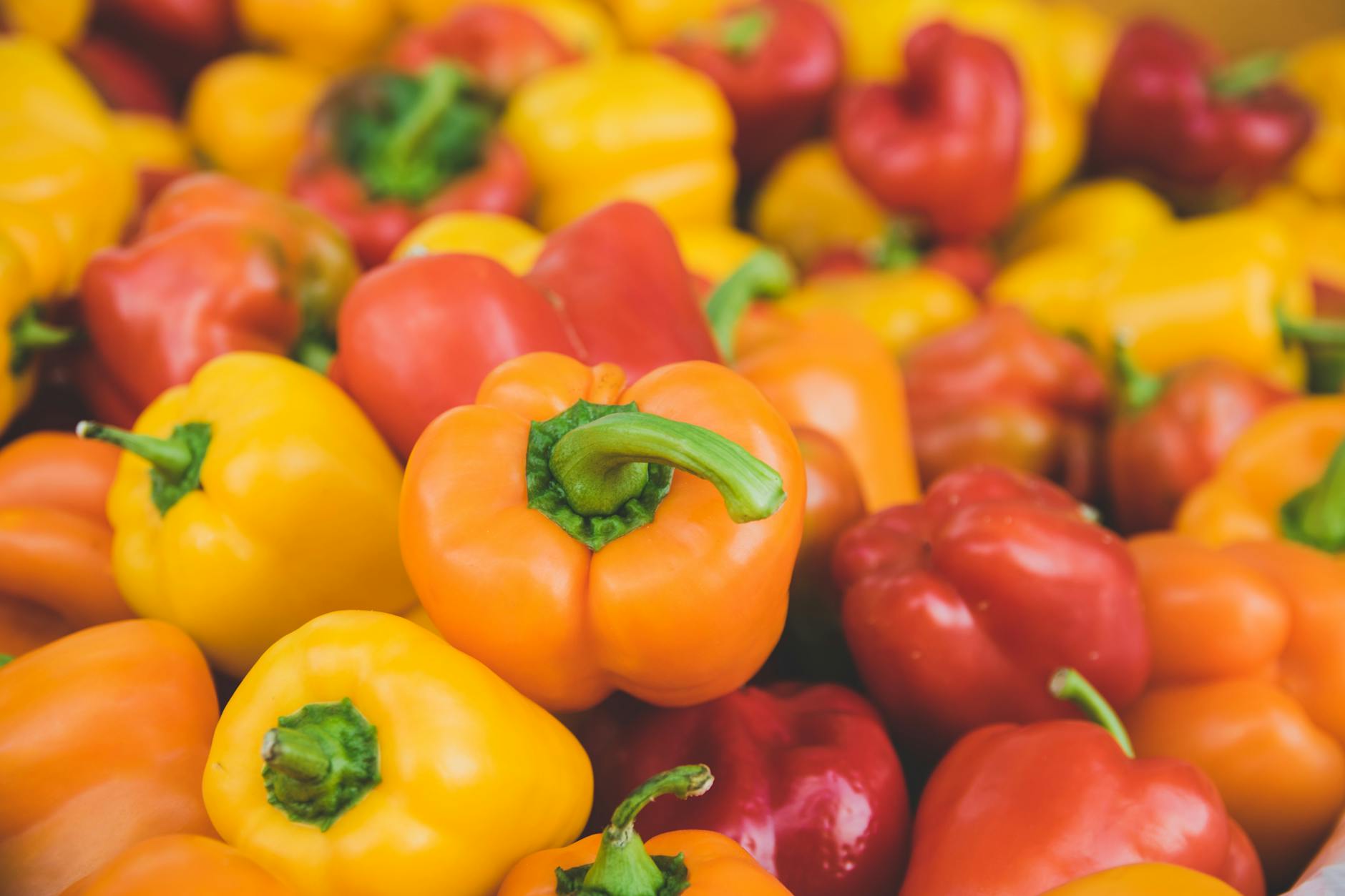
Bell peppers, with their vibrant colors and sweet, crisp flavor, are a favorite addition to any garden. Growing your own bell peppers can be a rewarding experience, yielding delicious produce for salads, stir-fries, and a multitude of culinary creations. Whether you’re a seasoned gardener or a beginner, this guide will walk you through the steps to successfully grow bell peppers in your garden.
Choosing the Right Variety
Bell peppers come in a variety of colors, including green, red, yellow, orange, and even purple. Each color represents a different stage of ripeness and flavor profile. Green bell peppers are the least ripe and have a slightly bitter taste, while red, yellow, and orange peppers are sweeter. When choosing a variety, consider your climate and growing season.
Some popular varieties include:
- California Wonder: A classic green bell pepper that turns red when fully ripe.
- Purple Beauty: A striking purple pepper that adds color to your garden and plate.
- Yellow Belle: A sweet, yellow variety that is perfect for fresh eating.

Preparing Your Garden
Bell peppers thrive in warm, well-drained soil with plenty of sunlight. Here are some steps to prepare your garden:
- Location: Choose a sunny spot that receives at least 6-8 hours of direct sunlight daily.
- Soil: Bell peppers prefer slightly acidic to neutral soil (pH 6.0-7.0). Amend your soil with compost or well-rotted manure to improve fertility and drainage.
- Spacing: Space your plants 18-24 inches apart in rows that are 24-36 inches apart. This allows for adequate air circulation and reduces the risk of disease.
Planting Bell Peppers
Start your bell peppers from seeds indoors 8-10 weeks before the last expected frost date, or purchase young plants from a nursery. Follow these steps for planting:
- Seed Starting: Sow seeds in seed-starting mix, keeping them warm and moist until they germinate (7-14 days).
- Transplanting: Once the seedlings have at least two sets of true leaves and the outdoor temperature is consistently above 50°F (10°C), harden them off by gradually exposing them to outdoor conditions over a week.
- Planting: Transplant the seedlings into your prepared garden bed, burying them up to the first set of leaves to encourage strong root development.

Caring for Your Plants
Proper care will ensure your bell peppers grow healthy and productive. Here’s how to care for them:
- Watering: Keep the soil consistently moist but not waterlogged. Water deeply at the base of the plant to encourage deep root growth.
- Mulching: Apply a layer of mulch around the plants to retain moisture, regulate soil temperature, and suppress weeds.
- Fertilizing: Feed your peppers with a balanced fertilizer or compost tea every 2-3 weeks during the growing season. Avoid high-nitrogen fertilizers, which can promote foliage growth at the expense of fruit production.
- Pruning: Remove any yellowing leaves and prune the lower branches to improve air circulation and reduce the risk of disease.
Managing Pests and Diseases
Bell peppers can be susceptible to pests and diseases. Common issues include:
- Aphids: Tiny, sap-sucking insects that can be controlled with insecticidal soap or by introducing beneficial insects like ladybugs.
- Pepper Weevils: Small beetles that damage fruit and can be managed by removing affected peppers and using row covers.
- Blossom End Rot: A condition caused by calcium deficiency, often exacerbated by irregular watering. Ensure consistent moisture and consider applying a calcium supplement.
Harvesting and Storing Bell Peppers
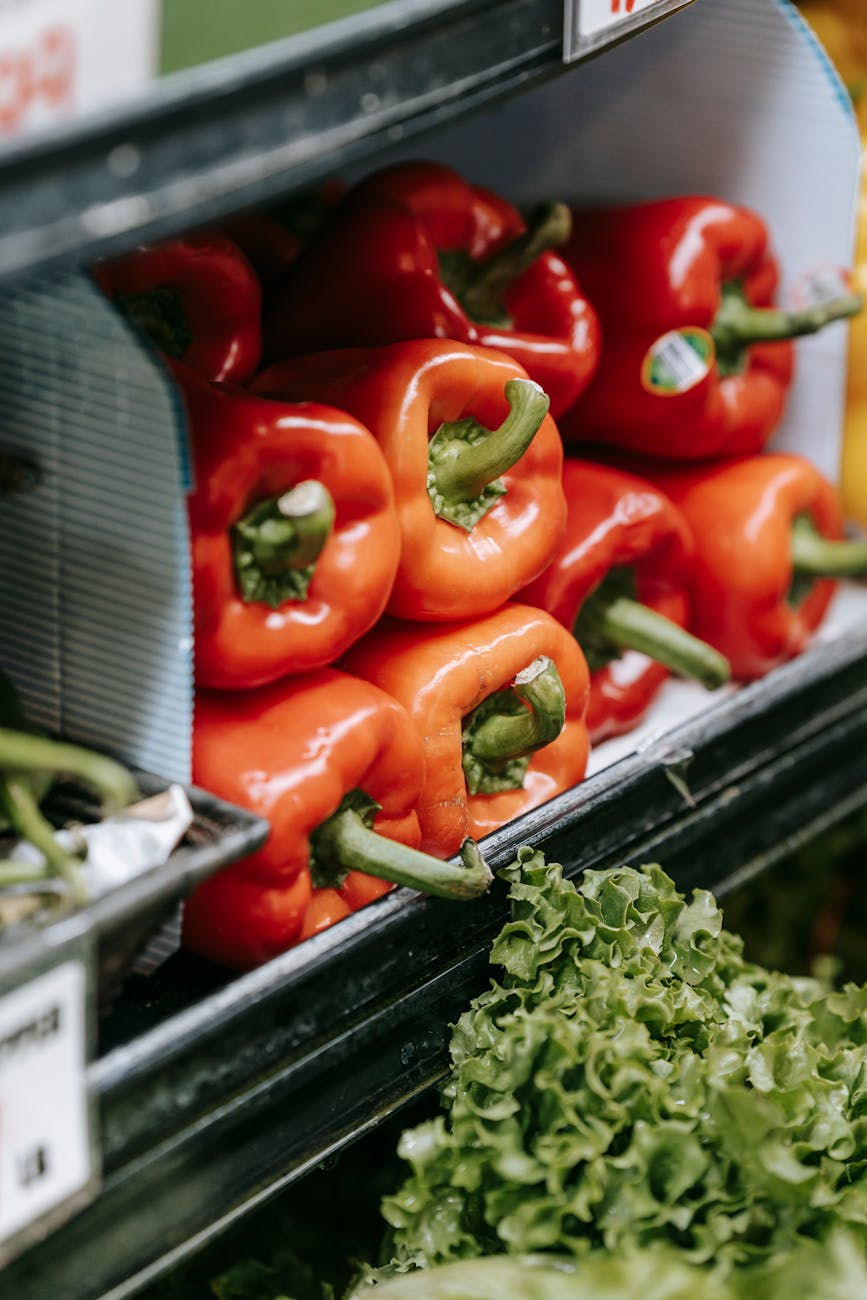
Bell peppers can be harvested at any stage, but their flavor improves as they ripen. Use sharp scissors or a knife to cut the peppers from the plant, leaving a small stem attached. Avoid pulling the peppers, as this can damage the plant.
Store harvested peppers in the refrigerator for up to two weeks. They can also be frozen, dried, or pickled for longer preservation.
Growing bell peppers in your own garden is a fulfilling endeavor that yields delicious and nutritious produce. By choosing the right variety, preparing your garden properly, and providing attentive care, you can enjoy a bountiful harvest of bell peppers throughout the growing season. Happy gardening!
 Native Grounds Farm