
Gardening is a rewarding hobby that can provide you with fresh produce, beautiful flowers, and a sense of accomplishment. However, the costs associated with starting and maintaining a garden can quickly add up. Fortunately, with a bit of creativity and resourcefulness, you can create a thriving garden without breaking the bank. Here’s how to garden on a budget.

Planning Your Budget Garden
Assess Your Space
Before you start buying seeds and tools, evaluate the space you have available. Whether you have a large backyard, a small patio, or just a windowsill, knowing your space will help you plan effectively.
Choose Your Plants Wisely
Choose plants that are well-suited to your local climate and soil conditions. Native plants are usually more resilient and need less maintenance, which can save you money on water and fertilizers. Also, prioritize plants that provide the most value, such as high-yield vegetables or perennials that return year after year.
Cost-Effective Gardening Tips
Start with Seeds
Seeds are much more cost-effective than buying seedlings or mature plants. Although seeds take longer to grow, they provide better value for your money. You can begin growing seeds indoors in late winter or early spring to get a head start on the growing season.

DIY Seed Starters
Instead of purchasing costly seed-starting kits, use household items like egg cartons, yogurt containers, and even toilet paper rolls as excellent seed starters. Just make sure they have drainage holes and are positioned in a sunny spot.
Make Your Own Compost
Compost is a great way to improve your soil, and it’s free to make your own. Gather kitchen scraps like vegetable peels, coffee grounds, and eggshells, as well as yard waste such as leaves and grass clippings. Turn the pile regularly to help it break down faster.
Reuse and Recycle
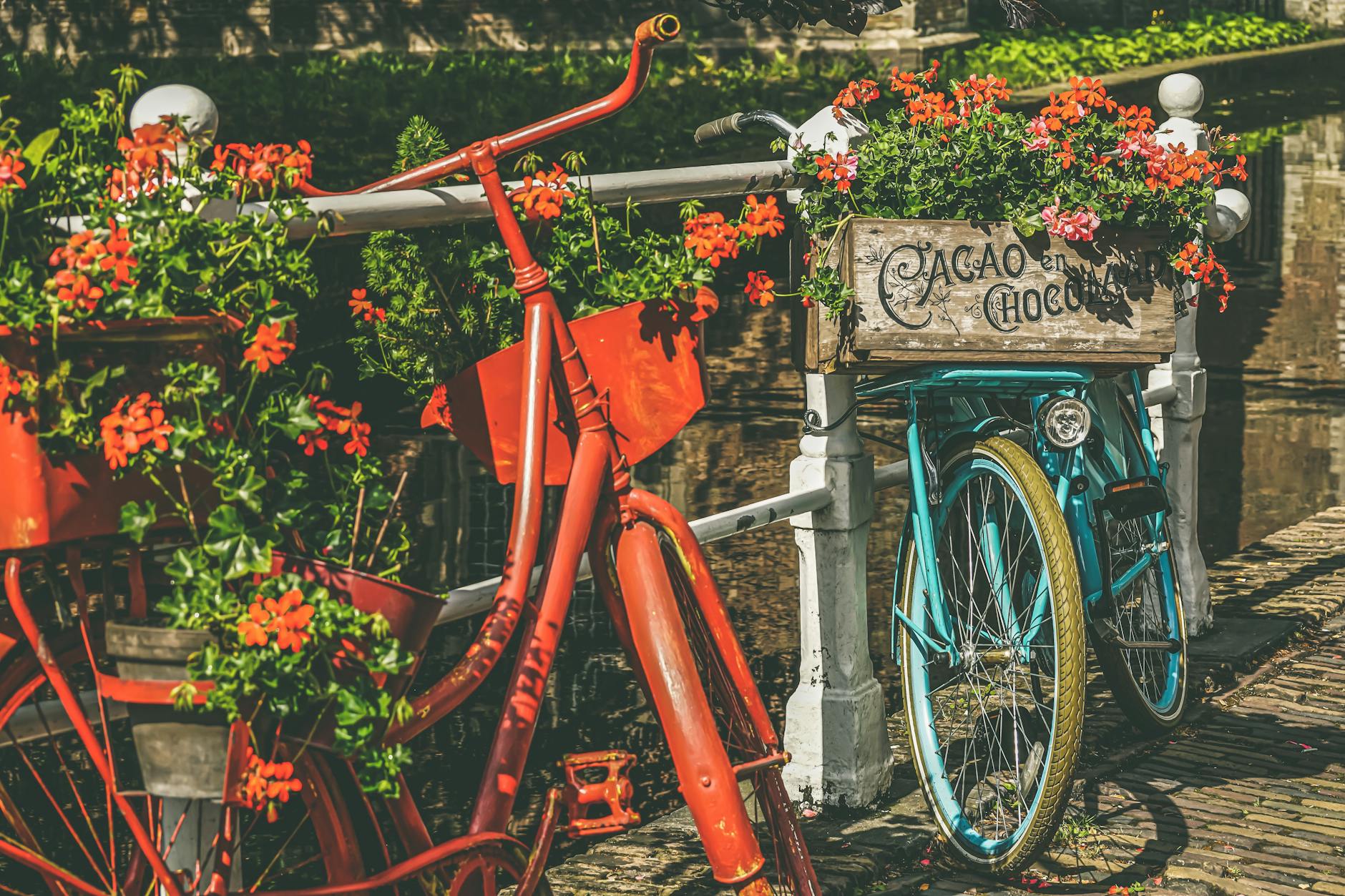
Repurpose household items such as garden tools and containers. Old buckets, wooden crates, and even broken furniture can serve as planters or trellises. Hunt for affordable gardening tools and supplies at garage sales and thrift stores.
Save on Water
Collecting rainwater using barrels to capture runoff from your roof can help reduce the cost of watering your garden, especially in dry climates. Additionally, you can mulch your garden beds to retain moisture and decrease the need for frequent watering. To minimize evaporation, water your garden in the early morning or late evening.
Smart Planting Strategies
Companion Planting
Companion planting involves cultivating specific plants together to boost growth, repel pests, and increase yields. For instance, planting marigolds with tomatoes can deter harmful insects. Explore companion planting combinations to optimize your garden’s productivity.
Succession Planting
Succession planting ensures a continuous harvest by replacing harvested crops with new ones, maximizing space and productivity in your garden.
Budget-Friendly Garden Maintenance
DIY Pest Control
Instead of buying expensive pesticides, consider using natural pest control methods such as introducing beneficial insects like ladybugs and praying mantises to your garden. You can also create homemade sprays using ingredients like garlic, neem oil, and soap to deter pests.
Fertilize for Free
Use natural, free fertilizers to nourish your plants. Compost tea, made from steeping compost in water, is an excellent nutrient boost. You can also use coffee grounds, banana peels, and eggshells directly in your garden.
Prune and Harvest Regularly
Regular pruning encourages healthy growth and prevents plants from becoming overgrown and unmanageable. Harvest vegetables and herbs frequently to encourage more production.
Community and Resource Sharing
Join a Gardening Club
Local gardening clubs are valuable for budget-friendly tips, seed exchanges, and shared equipment. They also host workshops and events for learning and idea exchange.
Utilize Free Resources
Gardening is a rewarding hobby that can provide you with fresh produce, beautiful flowers, and a sense of accomplishment. However, the costs associated with starting and maintaining a garden can quickly add up. Fortunately, with a bit of creativity and resourcefulness, you can create a thriving garden without breaking the bank. Here’s how to garden on a budget.
Planning Your Budget Garden
Assess Your Space
Before you start buying seeds and tools, evaluate the space you have available. Whether you have a large backyard, a small patio, or just a windowsill, knowing your space will help you plan effectively.
Choose Your Plants Wisely
Choose plants that are well-suited to your local climate and soil conditions. Native plants are usually more resilient and need less maintenance, which can save you money on water and fertilizers. Also, prioritize plants that provide the most value, such as high-yield vegetables or perennials that return year after year.
Cost-Effective Gardening Tips
Start with Seeds
Seeds are much more cost-effective than buying seedlings or mature plants. Although seeds take longer to grow, they provide better value for your money. You can begin growing seeds indoors in late winter or early spring to get a head start on the growing season.
DIY Seed Starters
Instead of purchasing costly seed-starting kits, use household items like egg cartons, yogurt containers, and even toilet paper rolls as excellent seed starters. Just make sure they have drainage holes and are positioned in a sunny spot.
Make Your Own Compost
Compost is a great way to improve your soil, and it’s free to make your own. Gather kitchen scraps like vegetable peels, coffee grounds, and eggshells, as well as yard waste such as leaves and grass clippings. Turn the pile regularly to help it break down faster.
Reuse and Recycle
Repurpose household items such as garden tools and containers. Old buckets, wooden crates, and even broken furniture can serve as planters or trellises. Hunt for affordable gardening tools and supplies at garage sales and thrift stores.
Save on Water
Collecting rainwater using barrels to capture runoff from your roof can help reduce the cost of watering your garden, especially in dry climates. Additionally, you can mulch your garden beds to retain moisture and decrease the need for frequent watering. To minimize evaporation, water your garden in the early morning or late evening.
Smart Planting Strategies
Companion Planting
Companion planting involves cultivating specific plants together to boost growth, repel pests, and increase yields. For instance, planting marigolds with tomatoes can deter harmful insects. Explore companion planting combinations to optimize your garden’s productivity.
Succession Planting
Succession planting ensures a continuous harvest by replacing harvested crops with new ones, maximizing space and productivity in your garden.
Budget-Friendly Garden Maintenance
DIY Pest Control
Instead of buying expensive pesticides, consider using natural pest control methods such as introducing beneficial insects like ladybugs and praying mantises to your garden. You can also create homemade sprays using ingredients like garlic, neem oil, and soap to deter pests.
Fertilize for Free
Use natural, free fertilizers to nourish your plants. Compost tea, made from steeping compost in water, is an excellent nutrient boost. You can also use coffee grounds, banana peels, and eggshells directly in your garden.
Prune and Harvest Regularly
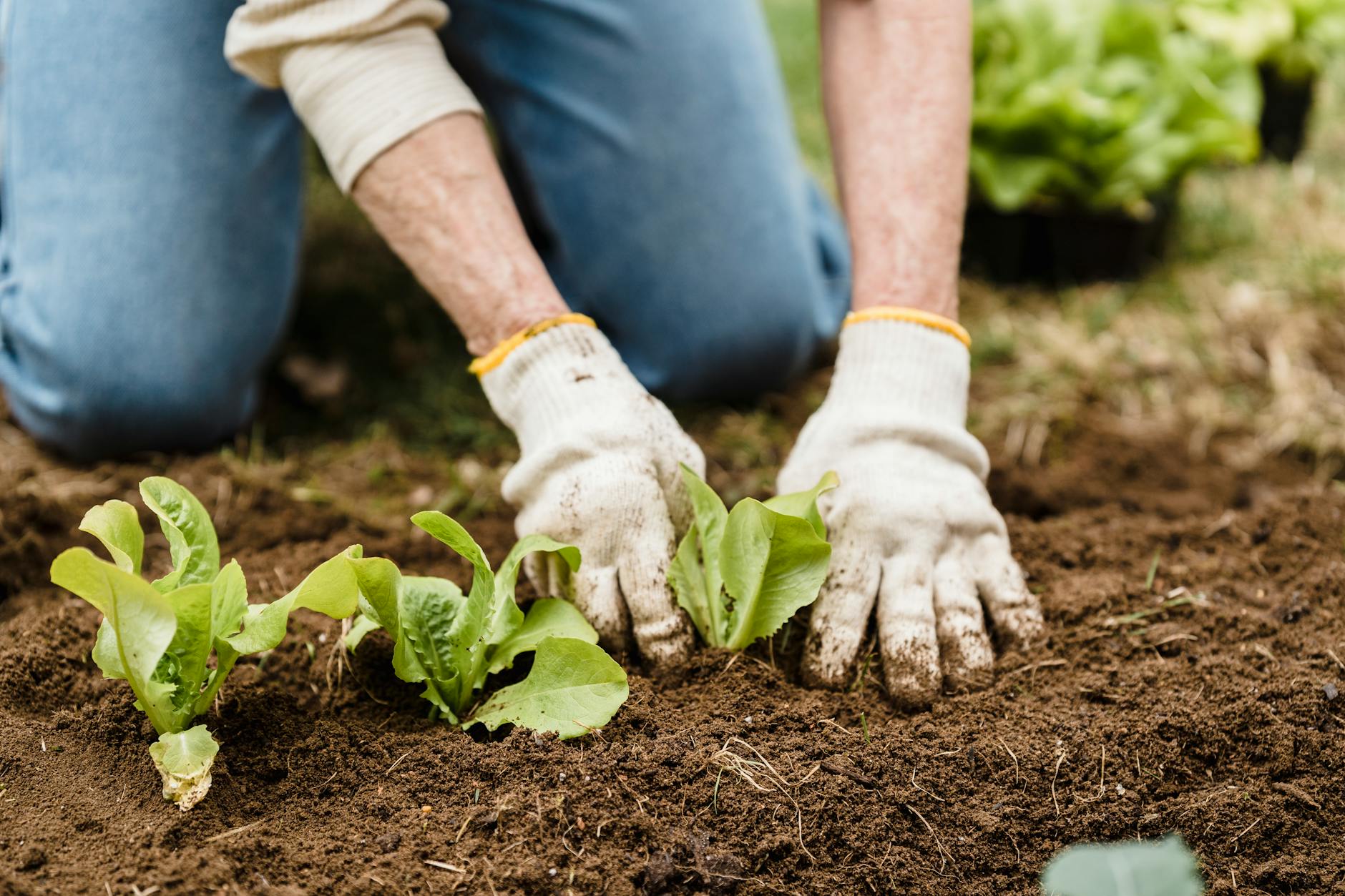
Regular pruning encourages healthy growth and prevents plants from becoming overgrown and unmanageable. Harvest vegetables and herbs frequently to encourage more production.
Community and Resource Sharing
Join a Gardening Club
Local gardening clubs are valuable for budget-friendly tips, seed exchanges, and shared equipment. They also host workshops and events for learning and idea exchange.
Utilize Free Resources
Many communities offer free or low-cost resources for gardeners. Check with local extension offices, libraries, and botanical gardens for free workshops, plant swaps, and seed libraries.
Gardening on a budget requires a bit of ingenuity and effort, but it is entirely possible. By planning wisely, utilizing free or low-cost resources, and getting creative with your gardening techniques, you can enjoy your labor’s fruits (and vegetables) without spending a fortune. You will save money and reap the benefits of fresh produce, beautiful flowers, and the joy of nurturing your own garden.
Happy gardening!
 Native Grounds Farm
One Comment Add yours