
Cottage gardens have an enduring charm that combines nostalgia with natural beauty. Originating in England, these gardens are known for their informal design, dense plantings, and a mix of ornamental and edible plants. Whether you’re a seasoned gardener or a beginner, creating a cottage garden can be a rewarding experience. Here’s a comprehensive guide to help you create your own slice of paradise.

Planning Your Cottage Garden
Understanding the Style
Cottage gardens are famous for their relaxed and romantic style. They typically include:
- Curved paths and beds: Straight lines are rare; instead, paths meander and beds have soft, flowing edges.
- Mix of colors and textures: Bold, vibrant blooms mixed with softer hues and varied foliage.
- Functional elements: Vegetables, herbs, and fruits are interspersed with flowers.

Site Selection
Choose a location that receives at least 6 hours of sunlight per day, as most cottage garden plants thrive in full sun. Ensure the soil is well-drained; if it’s not, consider amending it with compost or creating raised beds.
Planning the Layout
Sketch a basic plan of your garden. Include:
- Paths: Use gravel, brick, or stepping stones to create winding paths.
- Beds: Design irregularly shaped beds with layered plantings.
- Focal points: Add elements like birdbaths, arbors, or benches to create visual interest.
Selecting Plants
Flowers
Choose a mix of annuals and perennials to ensure year-round interest. Some classic cottage garden flowers include:
- Roses: Particularly old-fashioned varieties like English roses.
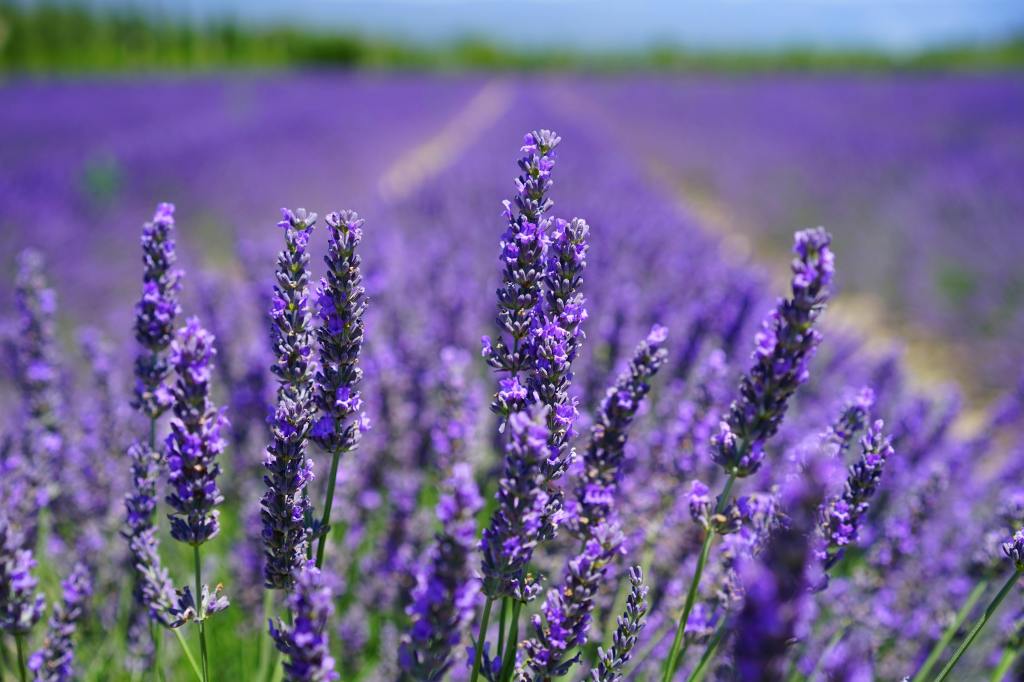
- Lavender: For its fragrance and bee-friendly flowers.
- Hollyhocks: Tall, stately blooms perfect for the back of borders.
- Foxgloves: Biennials with towering spikes of tubular flowers.
- Delphiniums: Tall and dramatic, with stunning blue flowers.
- Peonies: Lush, romantic blooms that thrive in sunny spots.
Edibles
Integrate vegetables, herbs, and fruits. Traditional choices include:
- Herbs: Sage, thyme, rosemary, and chives.
- Vegetables: Kale, lettuce, and beans.
- Fruits: Strawberries, raspberries, and apple trees.

Companion Plants
To deter pests and support plant health, consider companion planting. For example:
- Marigolds: Repel aphids and nematodes.
- Nasturtiums: Attract beneficial insects and deter squash bugs.
Planting and Maintenance
Soil Preparation
Prepare the soil by adding organic matter like compost or well-rotted manure. This improves soil structure and fertility.
Planting
When planting, consider the mature size of plants to avoid overcrowding. Place taller plants at the back or center of beds and shorter ones at the front. Follow the planting guidelines for each species, paying attention to spacing and depth.
Mulching
Apply organic mulch around plants to retain moisture, suppress weeds, and improve soil health. Choose from straw, wood chips, or compost.
Watering
Water your garden deeply and infrequently to encourage deep root growth. Most cottage garden plants prefer well-drained soil, so avoid waterlogging.
Pruning and Deadheading
Regularly deadhead spent blooms to encourage more flowers and prevent self-seeding. Prune shrubs and perennials to maintain shape and promote healthy growth.

Seasonal Care
In autumn, tidy up the garden by removing dead plant material and adding a layer of mulch to protect roots over winter. In spring, divide perennials and add compost to beds to replenish nutrients.
Adding Finishing Touches
Garden Structures
Incorporate structures like arbors, trellises, and pergolas. These add height and support climbing plants like roses and clematis.
Garden Furniture
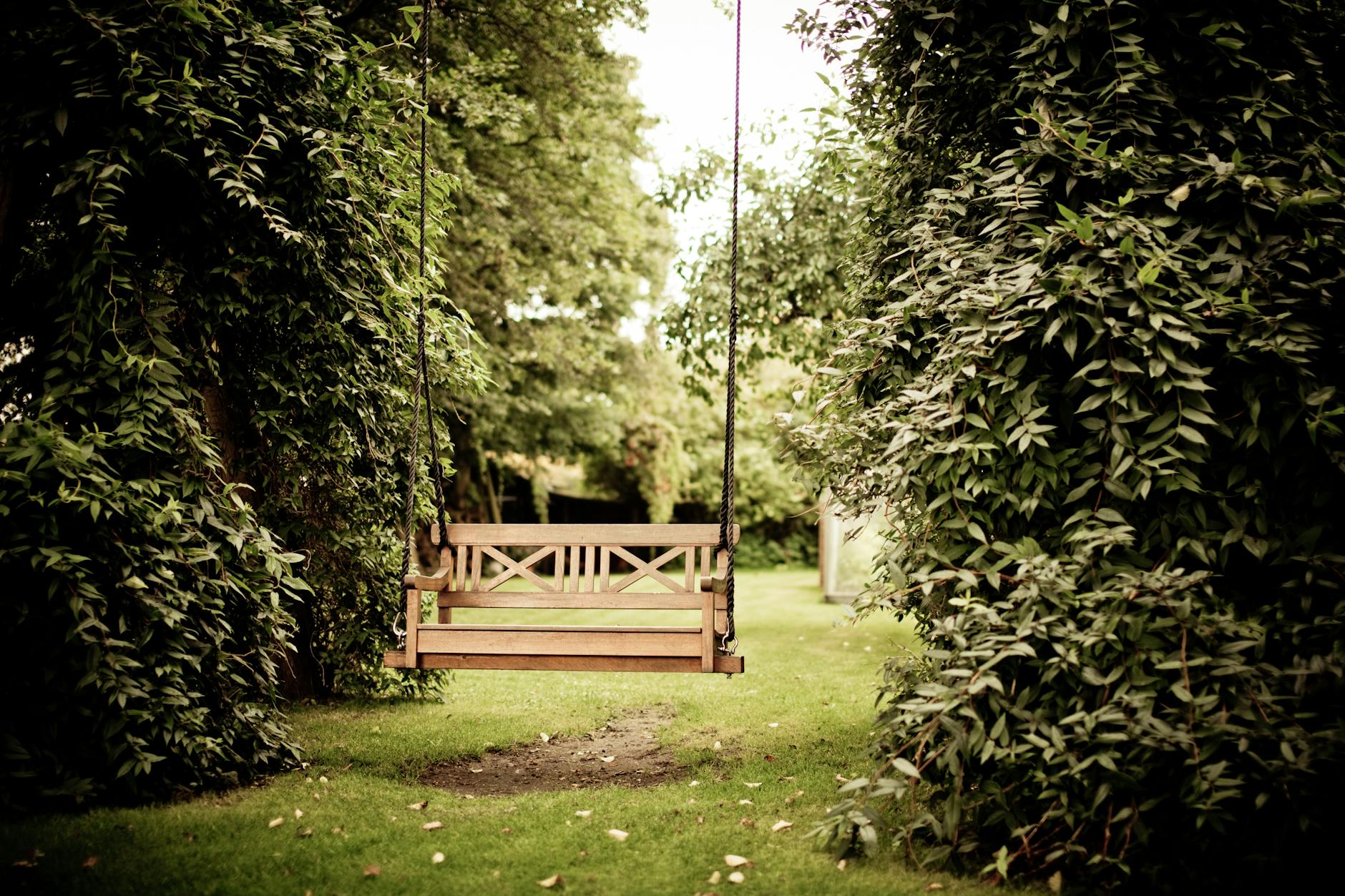
Add seating areas with rustic benches or wicker chairs. This creates inviting spaces to relax and enjoy the garden.

Decorative Elements
Enhance the charm with vintage items like old watering cans, wrought iron gates, and birdbaths. These elements add character and a sense of history.
Wildlife-Friendly Practices
Pollinator Plants
Grow a variety of flowers to attract bees, butterflies, and other pollinators. Examples include bee balm, echinacea, and cosmos.

Birdhouses and Feeders
Install birdhouses, feeders, and birdbaths to invite feathered friends into your garden. Birds help control pests and add life to the garden.
Organic Practices
Avoid chemical pesticides and fertilizers. Use organic methods like composting, mulching, and natural pest deterrents to maintain a healthy ecosystem.
Creating a cottage garden is about embracing nature’s beauty and allowing your garden to evolve naturally. With thoughtful planning, a mix of plants, and a few charming details, you can create an enchanting and practical garden. Enjoy the process and watch your garden flourish into a magical retreat that offers year-round pleasure.
 Native Grounds Farm
2 Comments Add yours