
Summer is still here, but that doesn’t mean the flowers are done blooming!

Gardening here in zone 8, we have temps in the high 90’s and basically haven’t had rain for months! The blazing summer sun is still hard at work. However, July is the perfect time to start planning and planting flowers that will keep your garden vibrant well into the autumn months. Planting fall flowers now ensures that your garden transitions seamlessly from summer’s lush greenery to autumn’s warm, rich hues. Here are some of my favorite fall flowers you can plant in July to create a stunning garden that lasts through the cooler months.
1. Chrysanthemums (Mums)
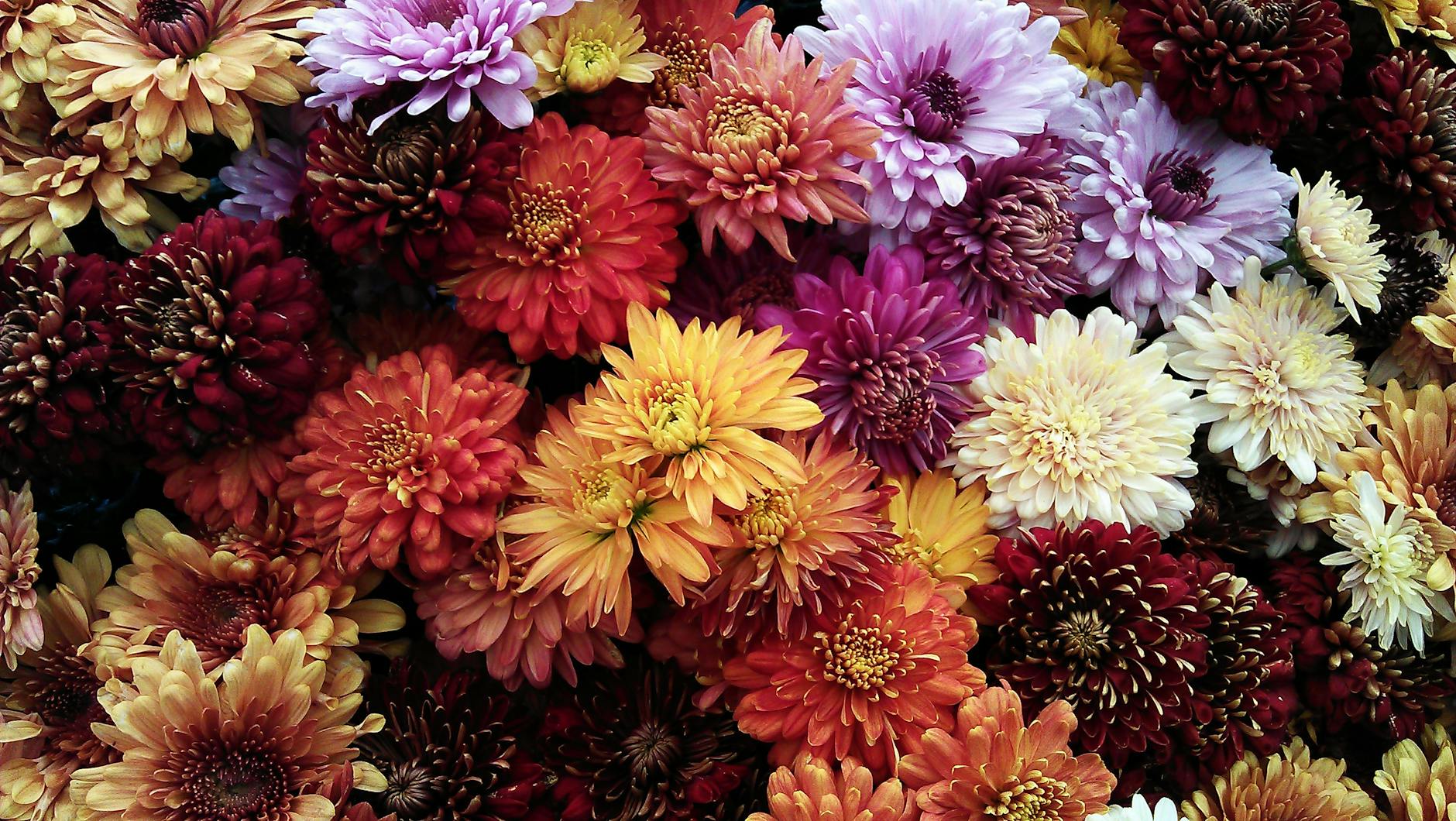
Chrysanthemums, commonly known as mums, are the quintessential fall flower. They come in a variety of colors, including yellow, white, purple, and red. Mums are hardy and can withstand cooler temperatures, making them ideal for fall. Plant them in well-draining soil and ensure they get plenty of sunlight.
NASA’s Clean Air Study revealed that chrysanthemums are exceptionally effective at removing common toxins such as formaldehyde, benzene, and ammonia from indoor air. This makes them not only beautiful additions to any home or garden but also practical plants for improving indoor air quality and creating a healthier living environment.
2. Calendula
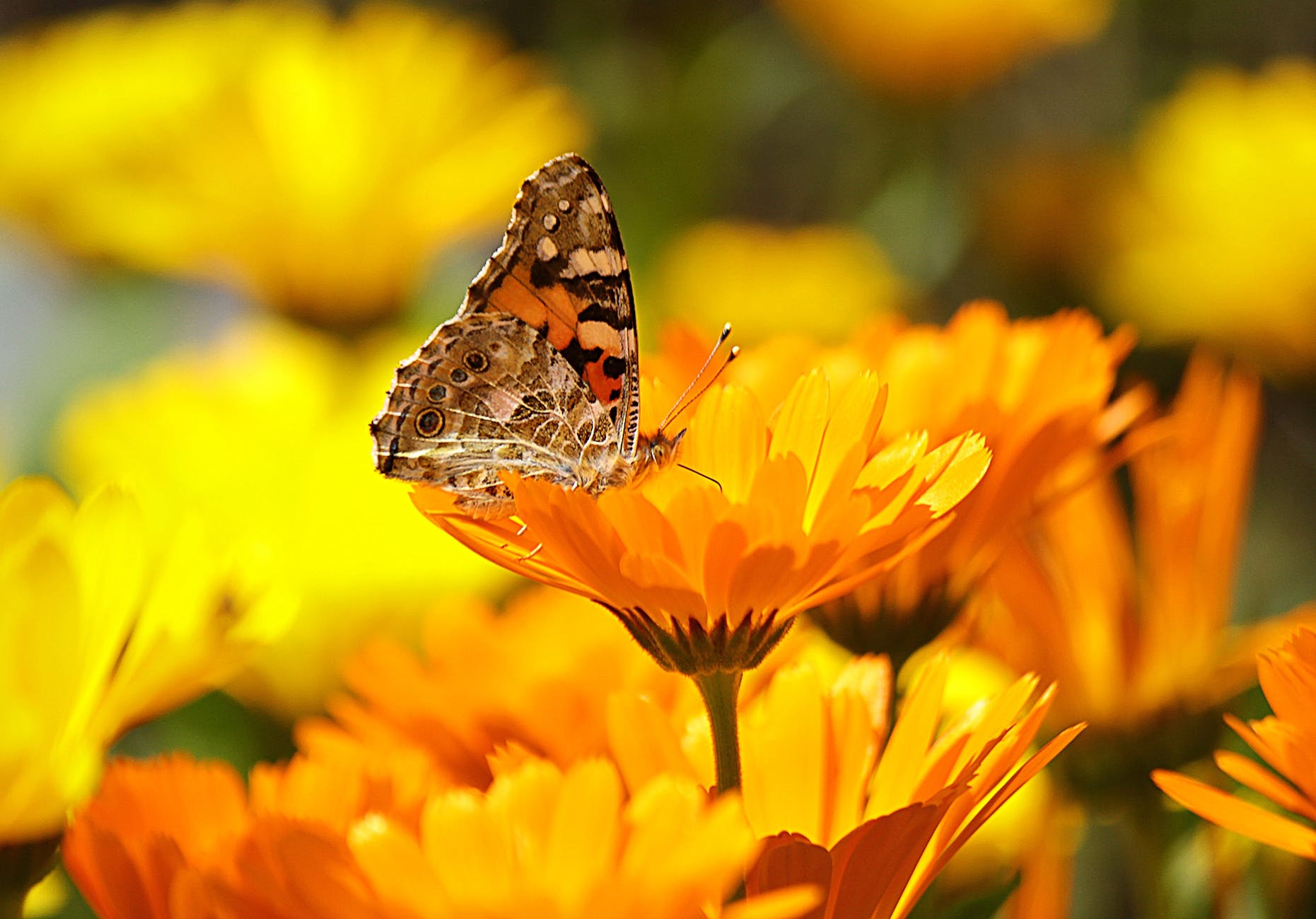
Growing calendula, or pot marigold, is a rewarding experience due to its vibrant flowers and easy maintenance. This hardy annual thrives in full sun but can also grow in partial shade, making it versatile for various garden spots.
Plant seeds directly in the garden after the last frost or start them indoors 6-8 weeks earlier. Deadhead blooms to keep plant healthy and producing. Calendula is medicinal as well, mainly being used to help with skin ailments. So you can make a nice lotion out of cut flowers too!
3. Asters

Asters are another excellent choice for fall blooms. These daisy-like flowers are available in shades of purple, pink, blue, and white. Asters are known for attracting pollinators like bees and butterflies. They grow well in full sun and well-drained soil. Planting them in July ensures a vibrant display in late summer and fall.
Asters have a fascinating trait: they can change their colors with the seasons. This color variation, often seen as a shift in intensity or hue, occurs because of temperature changes and the plant’s response to shorter days in the fall. This seasonal transformation not only adds visual interest to gardens but also provides a critical late-season nectar source for pollinators like butterflies and bees, ensuring they have the energy needed for migration or winter survival.
4. Borage
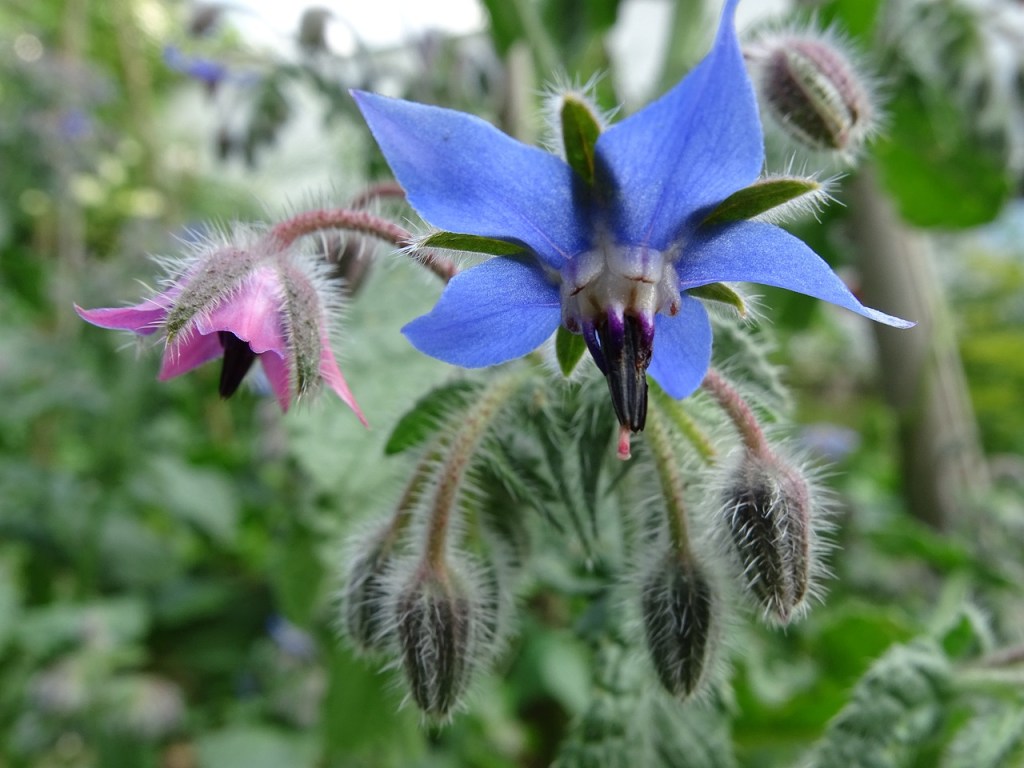
Borage, also known as starflower, is an incredible annual herb celebrated for its mesmerizing blue, star-shaped flowers and remarkable medicinal properties. Originating from the Mediterranean region, borage has spread its influence worldwide, enchanting enthusiasts with its culinary and therapeutic benefits.
I can’t emphasize enough how much I adore this plant! I’ve faithfully grown it every season since I started, and its vibrant flowers never fail to captivate me. The subtle hint of cucumber in the petals adds a delightful twist to baked goods, stir fry, and salads. The petals exude a magical aura, blooming in glowing shades of pink and blue. In my opinion, this plant is an absolute essential for any garden.
5. Snapdragons

I remember the first time I saw snapdragons and being blown away at how unique they were. After they bloom, their seed pods develop. These pods are have an interesting skull shape. These vibrant flowers thrive in cooler temperatures and bring a burst of color to autumn gardens.
To successfully grow snapdragons in the fall, start by selecting a sunny location with well-draining soil. Plant snapdragon seeds or transplants in late summer to early fall, allowing them to establish roots before the first frost. Regular deadheading of spent flowers will encourage continued blooming and maintain the plant’s aesthetic appeal.
6. Goldenrod

Goldenrod is a native perennial that brightens up the fall garden with its vibrant yellow blooms. Despite its reputation for causing allergies, goldenrod is not the culprit; ragweed is. Goldenrod thrives in full sun and well-drained soil, and it attracts beneficial insects to your garden. This plant will stay absolutely covered in beneficial pollinators!
Goldenrod’s bright yellow flowers are primarily pollinated by insects such as bees and butterflies, making it an essential plant for supporting pollinator populations. Additionally, goldenrod has been used in traditional medicine for its anti-inflammatory and diuretic properties.
7. Love-In-A-Mist
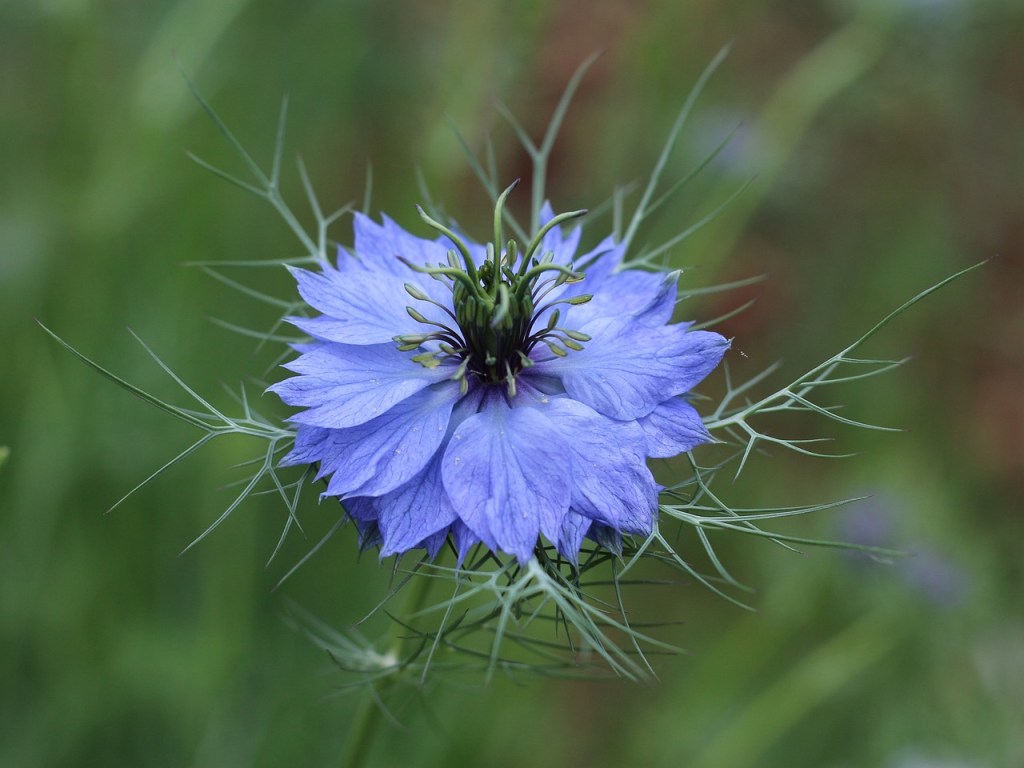
Growing Love-in-a-Mist (Nigella damascena) in the fall can be a charming way to extend your garden’s visual appeal. This hardy annual, also known as “nigella,” can be sown directly into the soil in late summer to early fall. The plant thrives in well-draining soil and prefers a sunny to partially shaded location. Love-in-a-Mist is known for its intricate, fern-like foliage and striking, delicate flowers that come in a range of colors, including white, pink, and blue.
As temperatures drop, the plant’s unique seed pods develop, adding an architectural element to the garden. Mulching can help protect the young seedlings from early frosts and provide a bit of extra warmth. Love-in-a-Mist is not only beautiful but also attracts pollinators, making it a great addition to any fall garden.
8. Nasturtiums
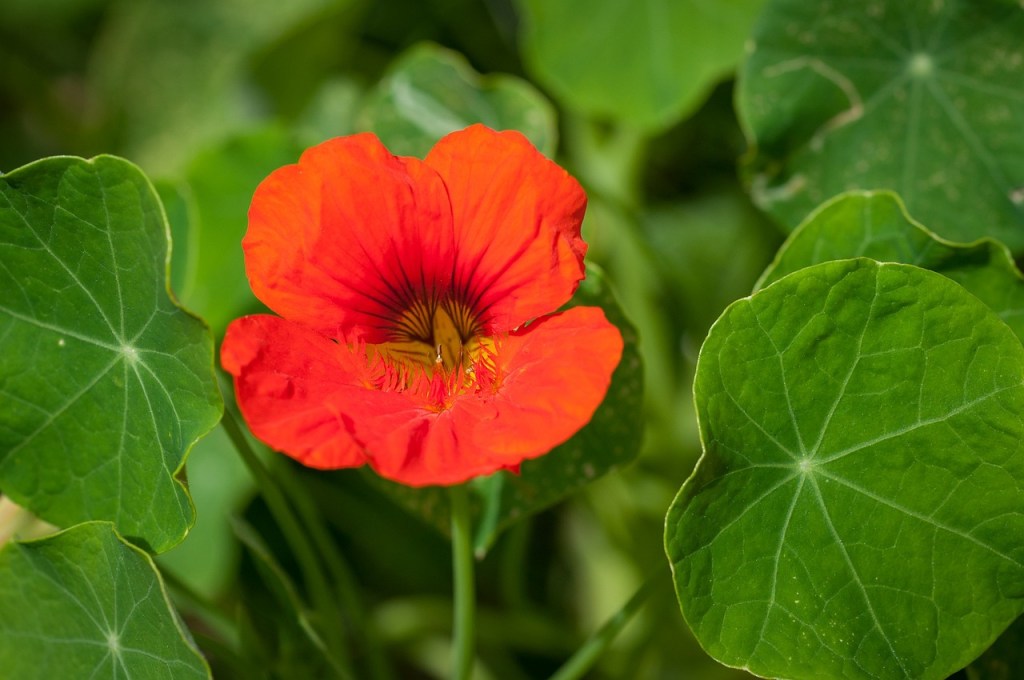
These vibrant, trailing plants are known for their colorful, edible flowers and foliage, which can range from fiery oranges and reds to deep yellows. To grow nasturtiums in fall, start by sowing seeds directly into well-draining soil in a sunny spot. They thrive in cooler weather and can even handle light frosts, making them perfect for extending the garden’s color into the colder months. Water them regularly but avoid overwatering, as nasturtiums prefer slightly drier conditions.
Their sprawling nature makes them ideal for hanging baskets or ground cover, and they can also deter pests like aphids and whiteflies, offering both beauty and practical benefits. As fall progresses, the contrast of their bright blooms against the backdrop of autumn leaves creates a stunning visual effect. Both the leaves and flowers have a peppery flavor that can add a zesty kick to salads and dishes. Plus, they’re rich in vitamin C and can help boost your immune system.
9. Russian Sage

This perennial plant, known for its silvery-gray foliage and tall spikes of lavender-blue flowers, thrives in well-drained soil and full sun, making it relatively low-maintenance. During the fall, it is essential to ensure that the plant is well-watered, especially if the weather is dry, to help it establish strong roots before winter. Adding a layer of mulch around the base can protect the roots from temperature fluctuations and retain soil moisture.
Although Russian sage is drought-tolerant once established, a little extra care in the fall can promote vigorous growth and abundant blooms in the coming spring and summer. Pruning in late fall, after the first frost, can also encourage a tidy appearance and robust growth in the next season.
10. Sunflowers

Growing sunflowers for the fall can bring a striking display of color and a touch of warmth to your garden as the season transitions. If you want to enjoy sunflowers all fall long be sure to select varieties with shorter maturity periods, typically around 70 to 100 days. Plant the seeds in a sunny spot with well-drained soil in mid to late summer, giving them ample time to grow and flower before the first frost.
Regular watering and occasional feeding with a balanced fertilizer will promote robust growth. Sunflowers can get exceedingly tall so you should consider staking them to prevent wind damage.
These vibrant blooms not only enhance the garden’s aesthetic but also attract pollinators, such as bees and butterflies. Harvesting the seeds as they mature can provide food for both wildlife and yourself, making sunflowers a versatile and rewarding addition to your fall garden.

Tips for Successful Fall Planting
- Prepare the soil: Before planting, enrich your soil with compost or organic matter to improve drainage and fertility.
- Water wisely: Water your newly planted flowers regularly to help them establish strong root systems. Once established, many fall flowers are relatively drought-tolerant.
- Start your seeds in trays: Most fall planted flowers are not tolerant to heat, so save yourself the money and start your seed trays inside! Here is some great information on starting seeds indoors if you’re interested in learning more.
- Mulch: Apply a layer of mulch around your plants to retain moisture, suppress weeds, and regulate soil temperature.
- Deadhead: Remove spent blooms to encourage continuous flowering and keep your garden looking tidy.
Planting fall flowers in July not only extends the beauty of your garden but also provides essential food for pollinators as summer flowers fade. With these vibrant blooms, you can enjoy a colorful and lively garden well into the autumn months. So, grab your gardening tools and get ready to embrace the beauty of fall!
 Native Grounds Farm