
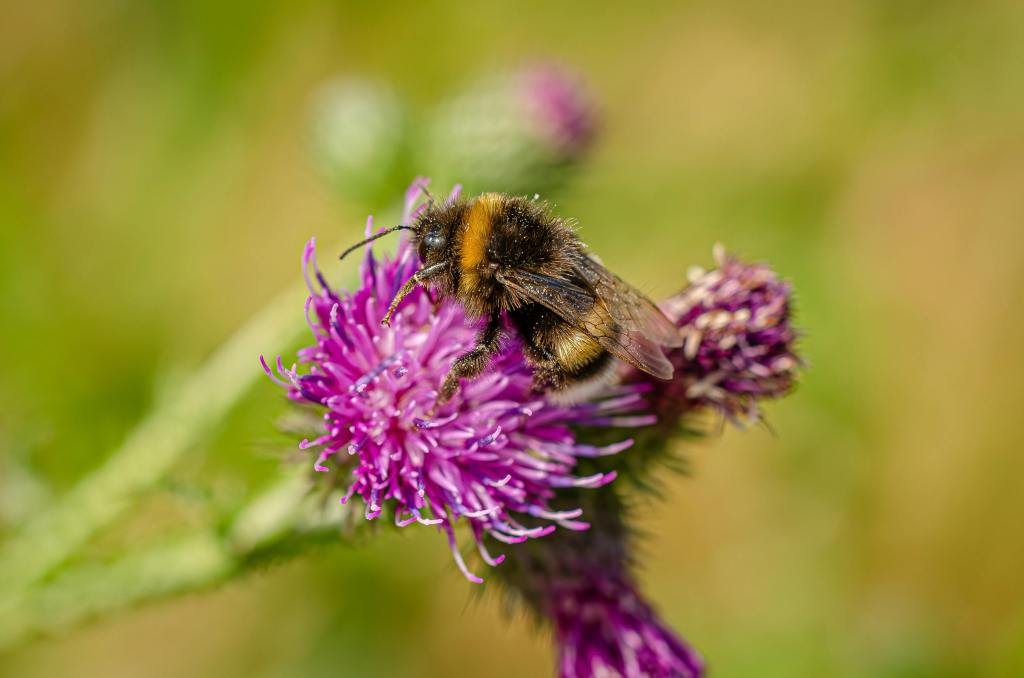
What Is Biodiversity?
Biodiversity refers to the variety of life forms on Earth, encompassing the vast array of plants, animals, fungi, and microorganisms, as well as the ecosystems they inhabit. This diversity includes differences within species, between species, and across ecosystems, making it a key component of the planet’s ecological health and resilience.
Biodiversity is crucial for maintaining the balance of natural processes, such as pollination, nutrient cycling, and climate regulation. It also supports human well-being by providing resources like food, medicine, and clean water, and by contributing to cultural and recreational activities. That’s pretty important huh? Overall, biodiversity is absolutely essential for the stability and sustainability of life on Earth!

In today’s rapidly urbanizing world, natural habitats are increasingly under threat, leading to a decline in biodiversity. One powerful way individuals can contribute to the preservation of native species is by transforming their own backyards into habitats that support local wildlife. Not only does this benefit the environment, but it also enriches our own lives by bringing nature closer to home.
Why Supporting Native Wildlife Matters For Biodiversity
Supporting native wildlife is crucial for maintaining biodiversity, which in turn ensures the stability and health of ecosystems. Native species play key roles in their habitats, contributing to processes like pollination, seed dispersal, and pest control. These species have evolved to coexist with other local organisms, creating balanced ecological networks. This means a loss of habitat creates a shift in the population, leading to extinction of species… Creating completely new environments than the one we know now.
Protecting native wildlife helps preserve these complex relationships, which are vital for ecosystem resilience in the face of environmental changes.
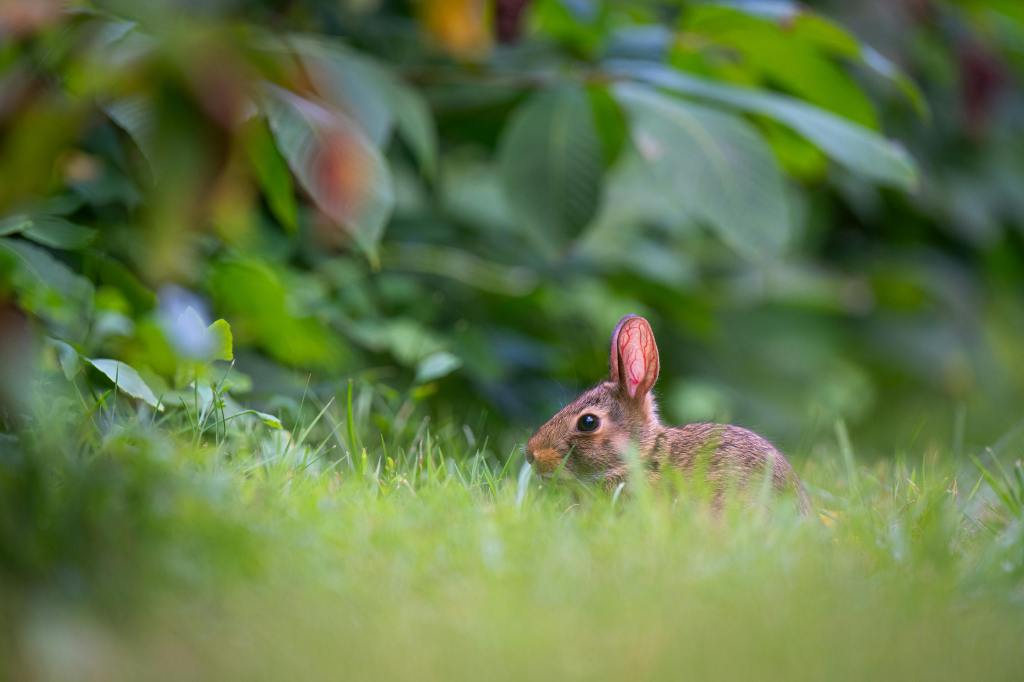
Native species also often have cultural, economic, and intrinsic value, contributing to human well-being and a sense of place. By supporting native wildlife, we help safeguard the natural heritage and ecological health of our planet.
How can we help as humans?
1. Help conserve biodiversity–
Native plants and animals are the backbone of healthy ecosystems. They have evolved together over millennia, forming intricate relationships that sustain life cycles and ecological processes. We could help by providing habitat for native species, and there are some really cool ways to do this! I prefer to keep things as natural as possible, and to imitate nature.
One awesome way to provide habitat is to build birdhouses or bat boxes, which provide safe nesting sites for birds and bats. Birds and bats are both amazing at controlling an aggravating insect population. This means less mosquitos and annoying gnats outside while you enjoy your backyard!

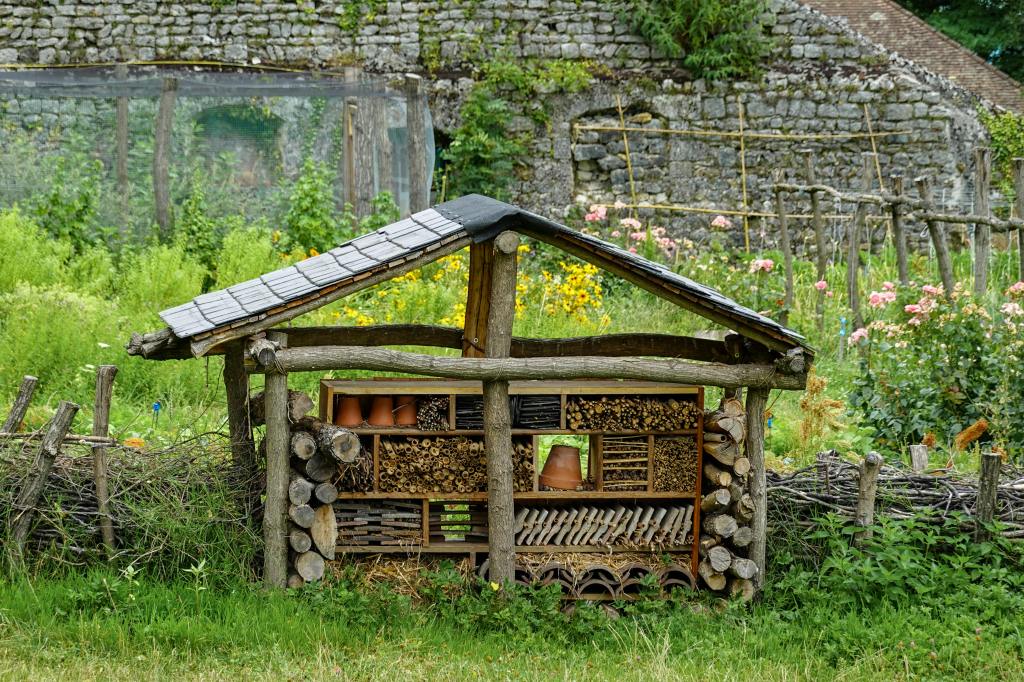
Another idea is to create a pollinator garden with native plants that attract bees, butterflies, and other pollinators, offering them food and shelter. The cool thing is that you could recycle and reuse things you have on hand to provide extra shelter along with your pollinator garden! For example, you could save bamboo stakes, wine corks, or pieces of wood- to glue together in a wooden frame! This will provide habitat for bees.

For those with more space, constructing a small pond can provide a water source and habitat for frogs, insects, and aquatic plants. You can also buy little premade shelters to leave around your garden. This one for frogs is my favorite!
Additionally, leaving brush piles or logs in your yard can serve as shelter for small mammals, reptiles, and insects.
Even something as simple as planting a variety of trees and shrubs can create a layered habitat, offering different niches for various species. These efforts not only support wildlife but also bring vibrant biodiversity to your surroundings.
We can help restore and maintain biodiversity, which is essential for the resilience and functionality of our ecosystem.

2. Pollination and Food Supply
Native insects, such as bees, butterflies, and beetles, are crucial pollinators for many plants, including those we rely on for the food we eat. A diverse population of pollinators ensures the successful reproduction of plants, which in turn supports the food chain, from herbivores to predators. Encouraging native pollinators in your garden can directly contribute to the health of local food systems.
3. Natural Pest Control
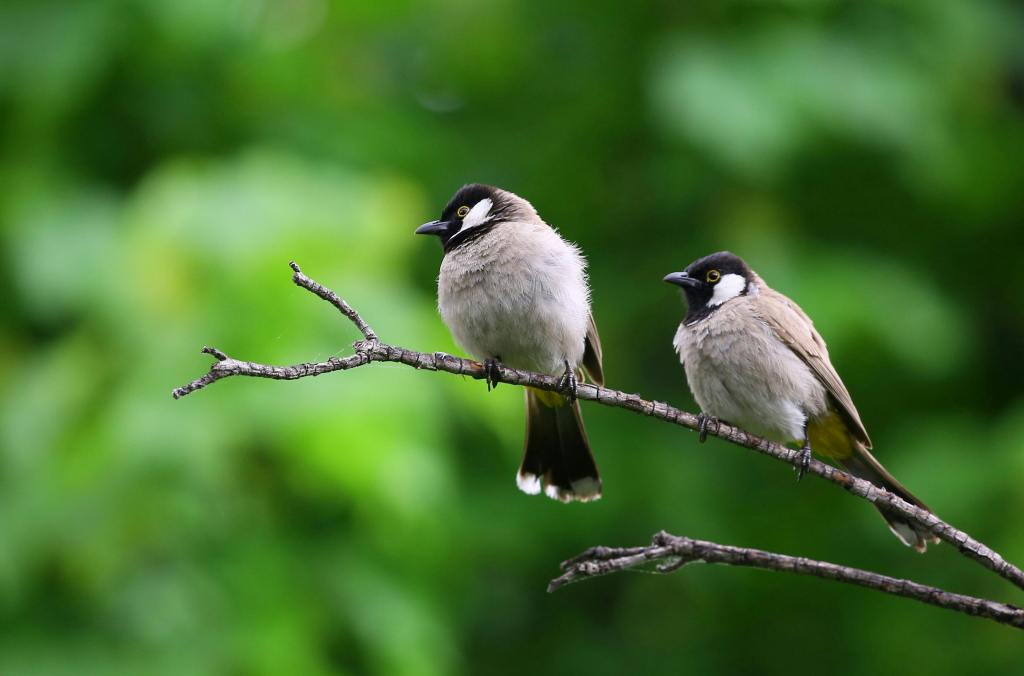
A balanced ecosystem includes natural predators that help control pest populations. Birds, bats, hummingbirds and certain insects can keep pest numbers in check, reducing the need for chemical pesticides. By providing habitat for these beneficial creatures, you create a healthier and more sustainable garden environment.
4. Water Conservation
Native plants are adapted to the local climate and soil conditions, often requiring less water and maintenance than non-native species. By choosing native plants, you can create a more sustainable garden that conserves water and reduces the need for fertilizers and pesticides.
Water conservation is crucial for preserving our natural resources, maintaining ecological balance, and ensuring a sustainable supply of clean water for future generations. With growing populations and climate change impacting water availability, it’s essential to manage water use wisely.
One practical and effective way to contribute to water conservation is by building rain barrels. Furthermore, Rain barrels collect and store rainwater from rooftops, which can then be used for various non-potable purposes, such as watering gardens, washing cars, or flushing toilets. This reduces the demand on municipal water supplies, lowers water bills, and decreases the strain on local water treatment facilities.
Additionally, using rainwater helps prevent stormwater runoff, which can lead to soil erosion and water pollution. By implementing rain barrels, individuals can take an active role in conserving water and promoting environmental sustainability.

5. Connecting with Nature
Creating a wildlife-friendly garden offers a unique opportunity to observe and connect with nature. It provides a sanctuary for wildlife and a peaceful retreat for humans, fostering a sense of stewardship and a deeper appreciation for the natural world. As a matter of fact, you could even create your very own zen garden!
Connecting with nature offers profound benefits for human health, both physically and mentally. Spending time outdoors, whether in forests, parks, or gardens, can reduce stress levels, improve mood, and enhance overall well-being. The natural environment encourages physical activity, which is beneficial for cardiovascular health and maintaining a healthy weight.
Exposure to natural light and fresh air has been shown to improve sleep patterns and boost the immune system. Which we all know has become extremely important in today’s time.
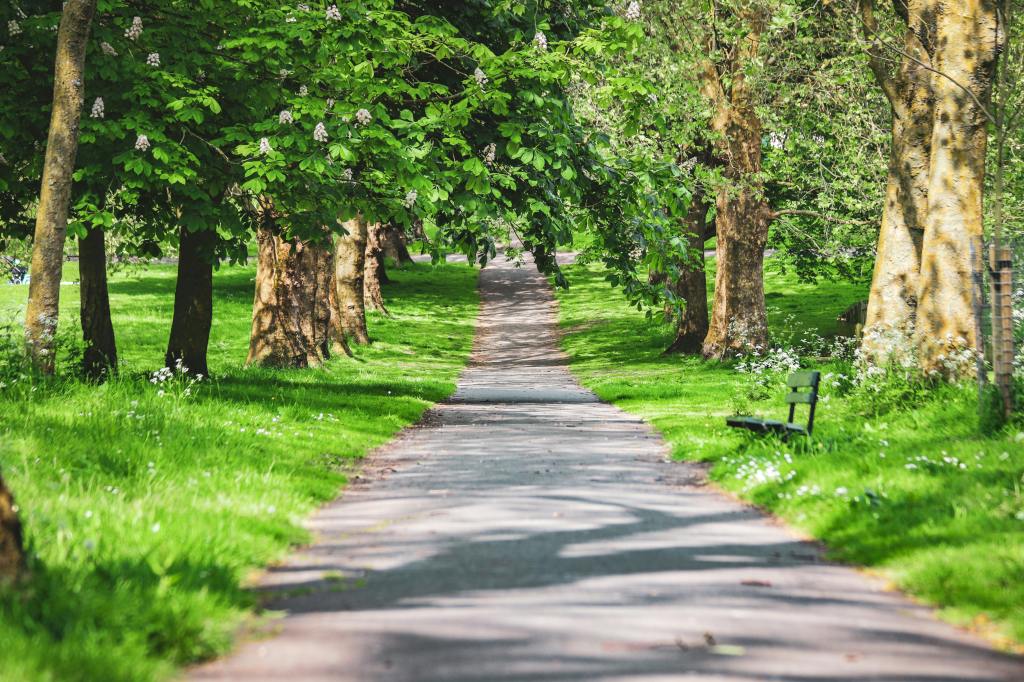
Being in nature fosters mindfulness and can reduce symptoms of anxiety and depression. It provides a sense of calm and perspective, helping people feel more grounded and connected to the world around them. Engaging with nature, whether through hiking, gardening, or simply enjoying a walk in the park, is a simple yet powerful way to nurture one’s physical and mental health.
How to Create a Habitat for Native Wildlife
1. Choose Native Plants
Start by researching which plants are native to your region. Native plants provide the most suitable food and shelter for local wildlife. They are also more resistant to local pests and diseases, making them easier to maintain. Consider a mix of trees, shrubs, flowers, and grasses to create diverse habitats.
Choosing native plants for your garden is important because they are well-adapted to the local climate, soil, and wildlife. This adaptation means they require less water, fertilizers, and pesticides, making them more environmentally sustainable.
Native plants also provide essential habitats and food for local wildlife, including pollinators like bees and butterflies. By supporting local ecosystems, native plants help maintain biodiversity and contribute to a healthier, more resilient environment.

2. Provide Food Sources
Different species have different dietary needs. Include a variety of plants that provide nectar, seeds, berries, and nuts throughout the year. Native flowering plants attract pollinators, while fruiting trees and shrubs offer food for birds and mammals. Avoid pesticides, as they can harm beneficial insects and other wildlife.

3. Create Shelter and Nesting Sites
Wildlife needs places to hide from predators, breed, and raise their young. Include dense shrubs, leaf litter, and dead wood in your garden to provide shelter. Consider installing birdhouses, bat boxes, and bee hotels to support nesting and roosting.
At my house we have a large mosquito population. So I bought this bat box for my new home! I got three of them to hang on the separate corners of my property. I am anxiously awaiting for them to be filled!

4. Supply Water
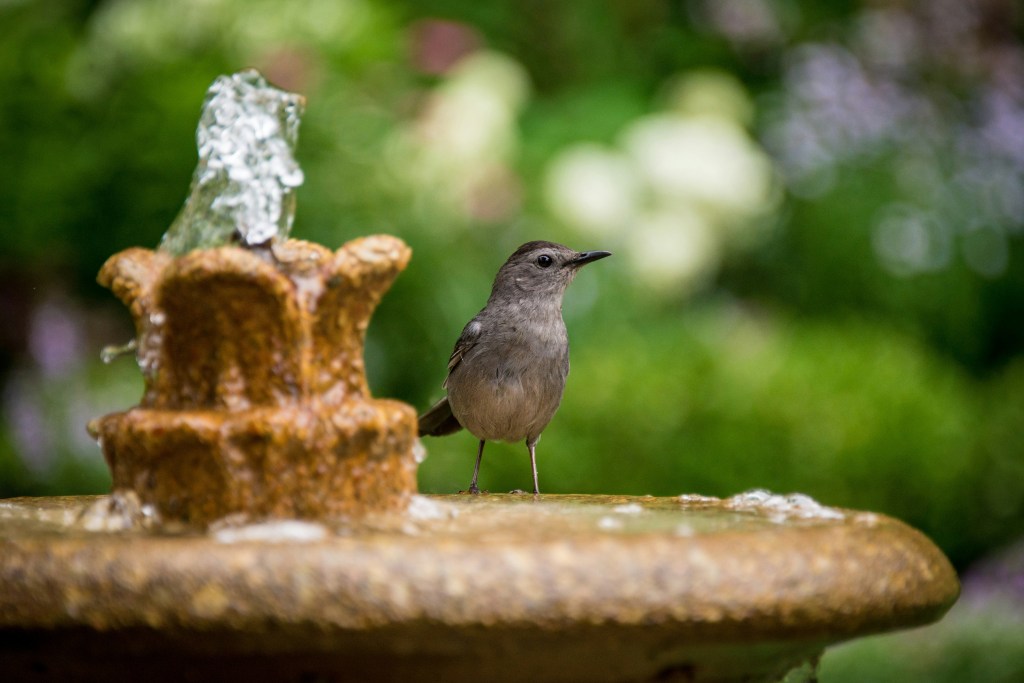
All animals need water to survive. Install a birdbath, pond, or shallow dish to provide a water source for drinking and bathing. Ensure the water source is safe and accessible, with shallow edges and clean water.
5. Avoid Chemicals
Chemicals such as pesticides, herbicides, and fertilizers can be harmful to wildlife. Adopt organic gardening practices and use natural methods to control pests and weeds. Healthy soil, diverse plantings, and natural predators can help maintain a balanced ecosystem.
6. Reduce Lawn Areas
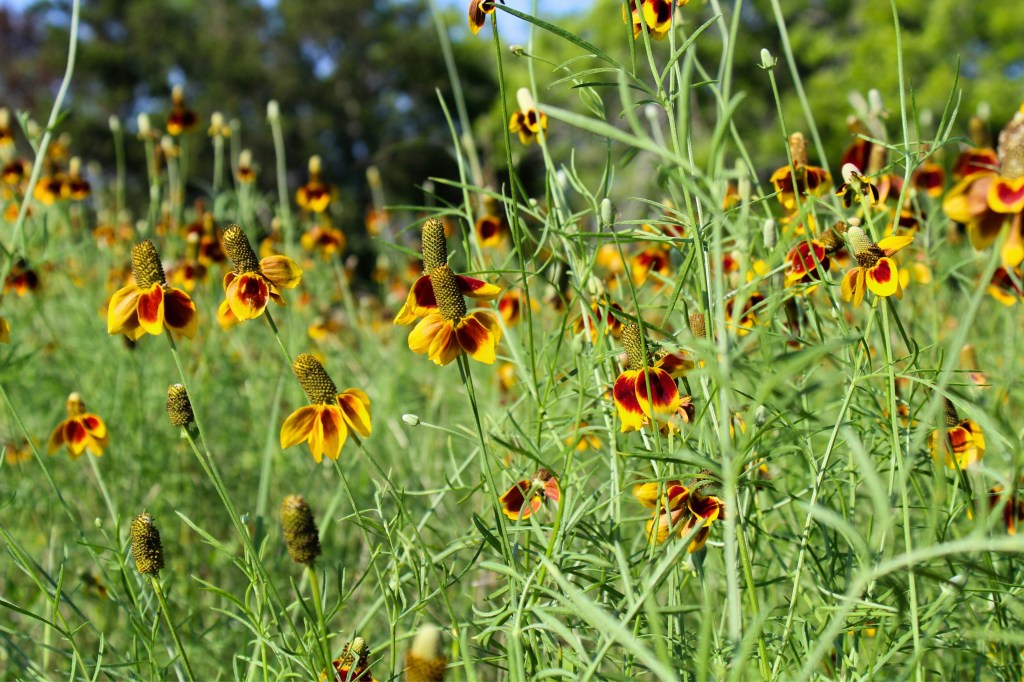
Traditional lawns offer little habitat value for wildlife. Reduce the size of your lawn and replace it with native plants, wildflower meadows, or ground covers. This not only provides more resources for wildlife but also reduces water usage and maintenance.
You can choose all different kinds of ground cover that isn’t grass. You would be surprised at how many beautiful plants you could grow in your space! Check out this awesome information on how to convert your lawn to a wildflower meadow.
7. Educate and Involve Others
Share your knowledge and passion for wildlife gardening with neighbors and community members. Encourage others to create their own wildlife-friendly spaces, and consider participating in local conservation programs or citizen science projects.

Creating a habitat for native wildlife in your backyard is a rewarding and impactful way to contribute to environmental conservation. It supports biodiversity, enhances local ecosystems, and provides numerous benefits for both wildlife and people. Whether you have a small balcony or a sprawling yard, every space can make a difference. By taking these steps, you can help ensure that future generations will continue to enjoy the beauty and diversity of our natural world.
(Here is a great resource on turning your backyard into a wildlife oasis!)
So, why not start today? Plant a native flower, set up a birdbath, or simply leave a patch of your garden wild. Every effort counts in building a brighter, greener future for all living things!!
 Native Grounds Farm
2 Comments Add yours