
I think caterpillars are among the most intriguing creatures in the natural world. Their journey from egg to butterfly or moth is a testament to the wonders of nature. In this blog post, we’ll explore the life cycle, habits, and unique characteristics of caterpillars. Along the way, we’ll also enjoy some beautiful photos that capture these creatures in their various stages of development.

The Life Cycle of a Caterpillar
The life cycle of a caterpillar is a process of complete metamorphosis, consisting of four stages: egg, larva (caterpillar), pupa (chrysalis), and adult (butterfly or moth).
- Egg: The life of a caterpillar begins as an egg. These eggs are often laid on the leaves of plants that will serve as food for the emerging caterpillars. Eggs can vary in size, color, and shape depending on the species.
- Larva (Caterpillar): Once hatched, the caterpillar begins its primary role: eating. Caterpillars are voracious feeders and spend most of their time consuming leaves to gather energy for their transformation. During this stage, they molt several times, shedding their skin as they grow.
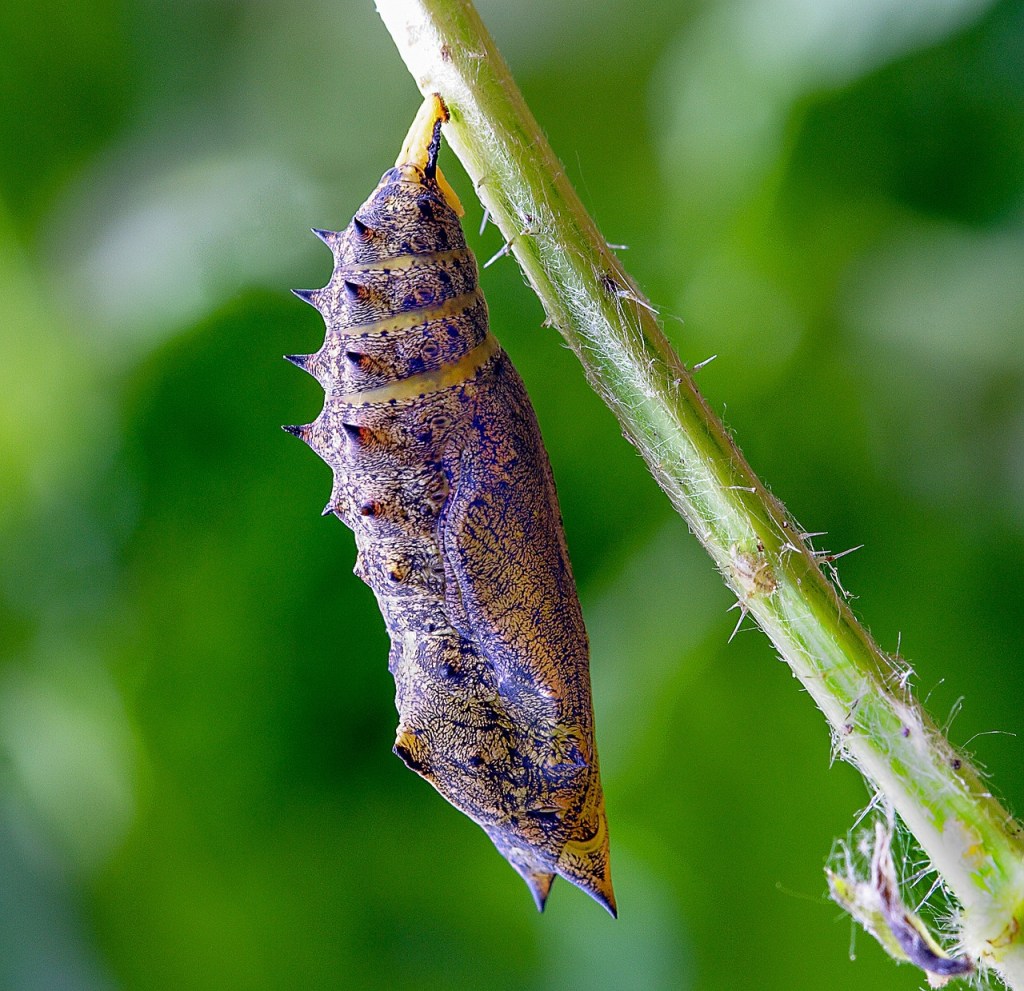
- Pupa (Chrysalis): After reaching a certain size, the caterpillar enters the pupal stage. This is a period of incredible transformation. Inside the chrysalis, the caterpillar’s body undergoes a complete metamorphosis, reorganizing into its adult form.
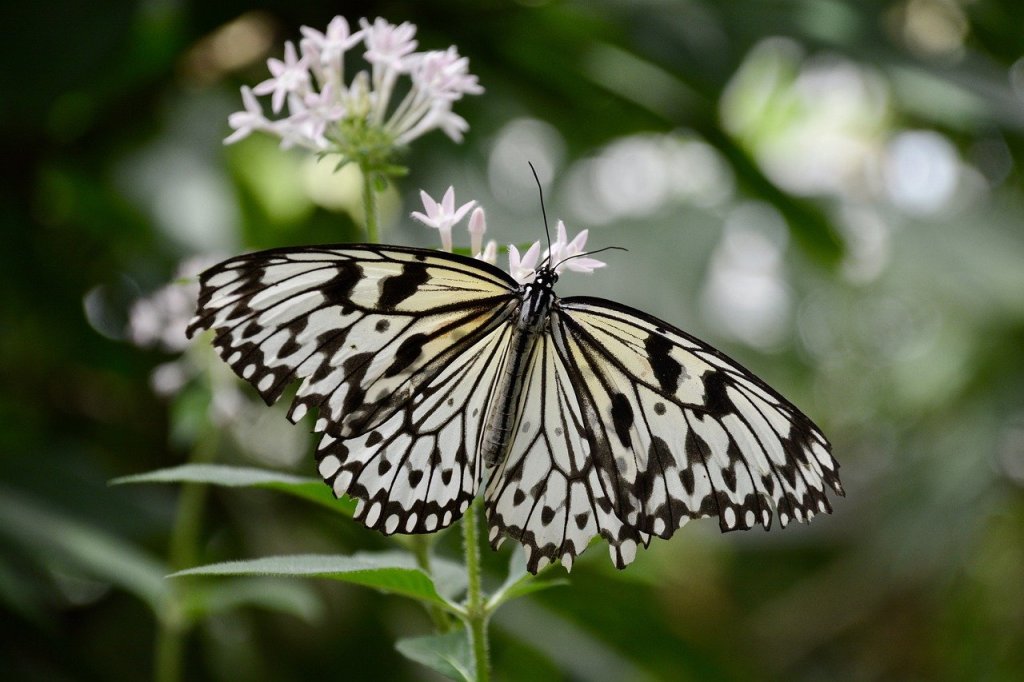
- Adult (Butterfly or Moth): The final stage is the emergence of the adult butterfly or moth. This stage is characterized by the presence of wings, allowing the insect to fly, reproduce, and continue the cycle.

Types of Caterpillars
There are thousands of caterpillar species, each with unique characteristics. Here are a few examples:
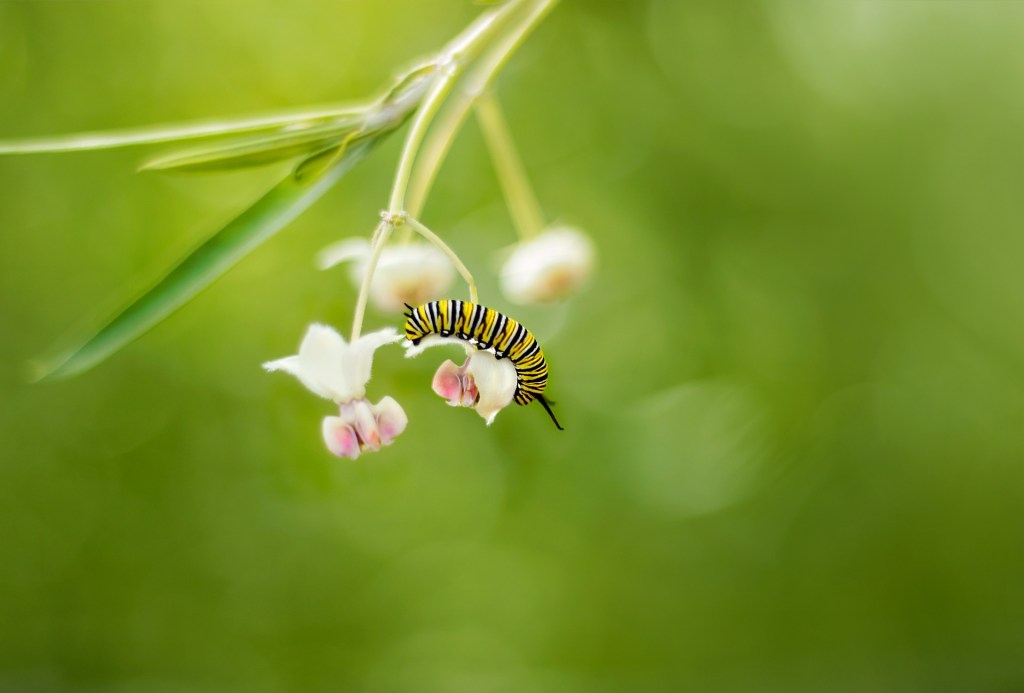
Monarch Caterpillar:
Monarch caterpillars are specialized feeders, relying exclusively on milkweed plants for their diet. Milkweed contains toxic compounds called cardenolides (or cardiac glycosides), which the caterpillars ingest and store in their bodies. These toxins make the caterpillars—and later, the adult butterflies—unpalatable to predators, providing an effective defense mechanism.
One of the most extraordinary aspects of the monarch butterfly’s life is its migration. Monarch butterflies from North America undertake an annual migration to central Mexico, covering distances of up to 3,000 miles. This incredible journey spans multiple generations, with each generation playing a part in the round-trip migration.
The monarch butterfly, and by extension the monarch caterpillar, faces numerous threats, including habitat loss, climate change, and pesticide use. Conservation efforts are underway to protect milkweed habitats and promote sustainable practices to ensure the survival of this remarkable species. If you have little one’s this monarch butterfly kit is an amazing way to help supplement the population as well as give your child a valuable lesson for life!
Here is some great information if you are interested in learning more about Monarch Butterflies!
Swallowtail Caterpillar:
The swallowtail butterfly is a dazzling member of the butterfly family, known for its large size, vibrant colors, and distinctive tail-like extensions on its hind wings. Found in various parts of the world, these butterflies are not only a joy to behold but also play an essential role in our ecosystems. In this blog post, we’ll explore the life cycle, habitat, behavior, and unique features of the swallowtail butterfly, with stunning photos to illustrate their beauty.
This caterpillar can often be found on parsley, dill, and fennel plants. They are green with black bands and yellow spots, and they emit a foul odor from their osmeterium (a gland behind their head) when threatened.
Swallowtail butterflies play a vital role in ecosystems as pollinators. While feeding on nectar, they transfer pollen from one flower to another, aiding in plant reproduction. Additionally, they serve as indicators of a healthy environment and contribute to biodiversity.
Like many other butterflies, swallowtail butterflies face threats from habitat loss, climate change, and pesticide use. Conservation efforts are essential to protect their habitats, ensure the availability of host plants, and promote practices that support butterfly populations.

Woolly Bear Caterpillar:
The woolly bear caterpillar is notable for its fuzzy appearance, which is more than just a visual trait. The hairs, or setae, serve as a defense mechanism, deterring predators and providing insulation against the cold. Woolly bears are typically found in the fall as they search for sheltered spots to hibernate through the winter. They are often seen crossing roads and paths, making their way to leaf litter, bark, or other protective locations.
One of the most enduring aspects of the woolly bear caterpillar is the folklore surrounding its ability to predict the severity of the upcoming winter. According to legend, the width of the caterpillar’s brown band can forecast the weather: a wider brown band suggests a milder winter, while a narrower band indicates a harsher winter.
Although this folklore is a delightful part of North American culture, scientific studies have shown that the banding is more likely influenced by factors such as the caterpillar’s age, species, and environmental conditions during its development, rather than upcoming weather patterns.

The Role of Caterpillars in the Ecosystem
Caterpillars are primary herbivores, meaning they feed directly on plants. This feeding activity can have both positive and negative effects on plant communities:
- Regulating Plant Populations: By feeding on certain plants, caterpillars help regulate plant populations, preventing any single species from dominating the ecosystem. This promotes plant diversity and encourages a variety of plant species to thrive.
- Stimulating Plant Growth: Some plants benefit from herbivory. The feeding activity of caterpillars can stimulate new growth and increase plant vigor. This relationship highlights the dynamic interaction between herbivores and plants.
- Pollination and Seed Dispersal: While caterpillars are not pollinators themselves, their adult forms—moths and butterflies—play crucial roles in pollination. Additionally, some caterpillars inadvertently contribute to seed dispersal by carrying seeds on their bodies as they move from plant to plant.

Food Source for Other Species
Caterpillars are an essential food source for a variety of predators, including birds, mammals, insects, and even other caterpillars. Their abundance and nutritional value make them a critical component of many food webs:
- Birds: Many bird species rely heavily on caterpillars to feed their young. The high protein content of caterpillars makes them an ideal food source for growing chicks. Birds also contribute to controlling caterpillar populations, maintaining ecological balance.
- Parasitoids and Predators: Parasitoid wasps and flies lay their eggs on or in caterpillars. When the larvae hatch, they consume the caterpillar from the inside out. Predatory insects and spiders also rely on caterpillars as a food source, contributing to natural pest control.
- Mammals: Small mammals such as shrews, mice, and bats also feed on caterpillars, especially in ecosystems where other food sources might be scarce.
Indicators of Environmental Health
Caterpillars are sensitive to changes in their environment, making them valuable bioindicators:
- Pollution and Habitat Degradation: Changes in caterpillar populations can indicate the presence of pollutants or habitat degradation. A decline in caterpillar diversity or abundance can signal ecological stress, prompting further investigation and conservation efforts.
- Climate Change: Caterpillars respond quickly to changes in climate. Shifts in their life cycles, such as altered timing of development or changes in distribution patterns, can provide early warnings of climate change impacts on ecosystems.
Start Your Own Pollinator Garden to contribute to the beneficial insect population. You will reap the rewards I promise!
Soil Health and Nutrient Cycling
Caterpillars contribute to soil health and nutrient cycling in several ways:
- Leaf Litter Breakdown: As caterpillars feed, they produce frass (caterpillar droppings), which adds organic matter to the soil. This frass is rich in nutrients and helps decompose leaf litter, enhancing soil fertility.
- Aeration and Soil Structure: The burrowing activity of some caterpillar species can help aerate the soil and improve its structure. This, in turn, benefits plant roots and promotes healthy plant growth.
Conservation and the Importance of Caterpillar Habitats
Preserving caterpillar habitats is crucial for maintaining biodiversity. Conservation efforts should focus on:
Reducing Pesticide Use: Limiting the use of pesticides helps protect caterpillars and other beneficial insects. Integrated pest management practices can help balance pest control with the conservation of important species.
Protecting Host Plants: Many caterpillar species have specific host plants they rely on for food. Protecting these plants ensures that caterpillar populations can thrive, supporting the entire ecosystem. There are some great seeds that you can order on amazon and plant out to provide for monarch’s- These are my favorite!
Promoting Biodiversity: Encouraging plant diversity in gardens, parks, and natural areas provides caterpillars with a variety of food sources and habitats. This, in turn, supports diverse butterfly and moth populations.
You can help foster biodiversity yourself. Check this out to find out how!

Fun Facts About Caterpillars
- Caterpillars have 12 eyes: They have six tiny eyes (ocelli) on each side of their head, but their vision is limited.
- They can produce silk: Some caterpillars use silk to create shelters or aid in their movement from one leaf to another.
- Defense mechanisms: Caterpillars have various ways to defend themselves, such as camouflage, mimicry, and even toxic chemicals derived from their diet. Certain caterpillars, like the monarch caterpillar, feed on toxic plants like milkweed and store the toxins in their bodies. This makes them unpalatable or poisonous to predators. Their bright colors often serve as a warning signal.
- How they eat: Unlike adult butterflies and moths that have a proboscis for sipping nectar, caterpillars have strong mandibles (chewing mouthparts) to munch on leaves. Their jaws are adapted to cut and grind plant material efficiently.
Caterpillars are more than just the larval stage of butterflies and moths; they are fascinating creatures with unique adaptations and behaviors. Their transformation is one of nature’s most remarkable processes, symbolizing change and growth. Whether you’re a nature enthusiast or simply curious about these incredible insects, there’s always something new to learn and appreciate about caterpillars.
 Native Grounds Farm