
Raised bed gardening has gained immense popularity among both novice and experienced gardeners. Whether you’re looking to grow vegetables, herbs, or flowers, raised beds offer a host of advantages that can make gardening more enjoyable, efficient, and productive. Today, we’ll explore the numerous benefits of raised bed gardening and why it might be the perfect choice for your gardening needs.

The Benefits Of Gardening In A Raised Bed
1. Improved Soil Quality
One of the most significant benefits of raised bed gardening is the ability to control the soil quality. Traditional garden plots often suffer from poor soil conditions, such as heavy clay, rocky soil, or low fertility.
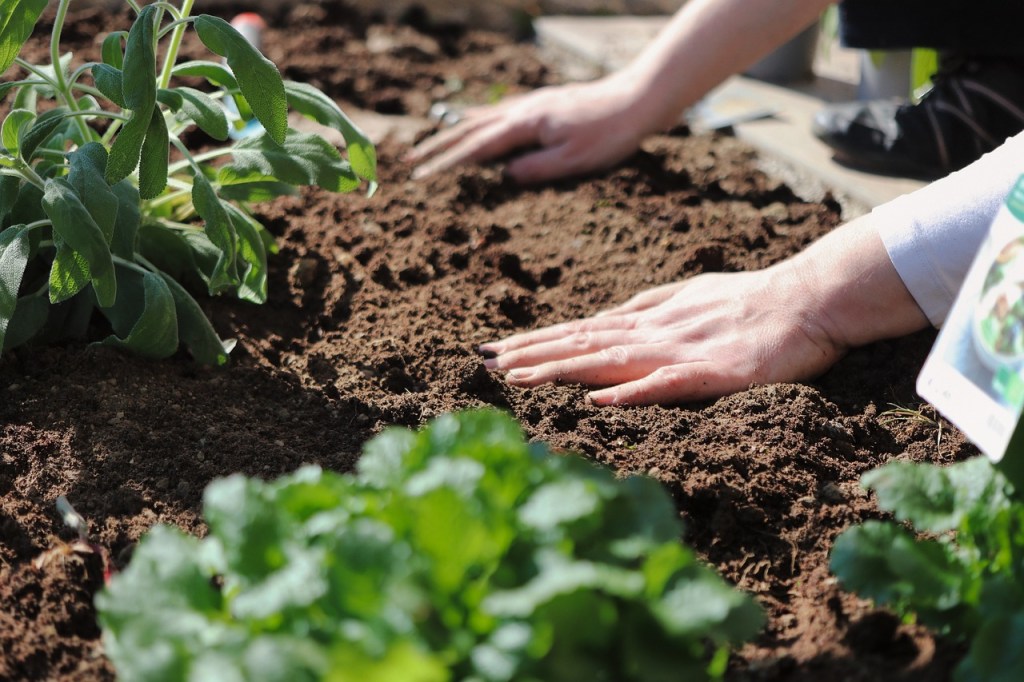
With raised beds, you can create the perfect soil mix tailored to the needs of your plants. By filling your beds with a combination of high-quality compost, topsoil, and other organic materials, you ensure that your plants have the nutrients they need to thrive.

Why It Matters: Healthy soil is the foundation of a successful garden. With better soil quality, your plants will grow stronger, produce more, and be less susceptible to pests and diseases.
Nutrient-rich soil supports sustained plant growth. Poor soil quality can lead to nutrient deficiencies, which manifest as stunted growth, yellowing leaves, and reduced yields. Amending the soil with organic matter, like compost, can improve its nutrient content.
2. Better Drainage
Raised beds provide excellent drainage, which is crucial for plant health. Traditional garden beds can become waterlogged, especially in areas with heavy rainfall or poor drainage. Raised beds, however, allow excess water to drain away more easily, preventing root rot and other water-related issues.

Why It Matters: Proper drainage helps prevent waterlogged roots, which can lead to root rot and other problems. This is particularly important for plants that are sensitive to excessive moisture.
Waterlogged soil tends to compact over time, especially when heavy rainfall occurs. Compacted soil restricts root growth and limits the ability of plants to access nutrients. Good drainage helps maintain a looser soil structure, promoting better root expansion and nutrient uptake.
3. Easier Weed Control
Weeds are the bane of every gardener’s existence, but raised beds can significantly reduce the amount of weeding required. By starting with clean, weed-free soil and using mulch or landscape fabric, you can minimize the number of weeds that take root in your garden. Additionally, the elevated nature of raised beds makes it easier to spot and remove any weeds that do appear.

Why It Matters: Less time spent weeding means more time enjoying your garden. Raised beds make it easier to maintain a tidy, weed-free space.
When you fill a raised bed with fresh, weed-free soil or a custom soil mix, you’re starting with a clean slate. This reduces the chance of introducing weed seeds that are often present in garden soil or compost. Over time, maintaining this controlled environment helps minimize the weed population.
4. Extended Growing Season
Raised beds tend to warm up faster in the spring and cool down slower in the fall compared to traditional in-ground gardens. This temperature advantage can extend your growing season, allowing you to plant earlier in the spring and continue harvesting later into the fall. In colder climates, raised beds can even enable you to grow crops that might not otherwise survive the shorter growing season.

Why It Matters: An extended growing season gives you more opportunities to grow a wider variety of plants and enjoy fresh produce for a longer period of time.
Because raised beds are elevated, they are less prone to becoming muddy during rainy periods. This makes it easier to access your garden and continue working, planting, or harvesting, even when the ground is wet and traditional gardens might be off-limits.
5. Reduced Soil Compaction
Soil compaction is a common problem in traditional gardens, where foot traffic can compress the soil, making it difficult for roots to penetrate and for water and air to circulate. Raised beds, however, are designed to be accessed from the sides, eliminating the need to walk on the soil. This results in loose, well-aerated soil that promotes healthy root growth.

Why It Matters: Healthy, well-aerated soil is essential for robust plant growth. Reduced soil compaction means better root development and healthier plants.
6. Accessibility and Ergonomics
Gardening can be physically demanding, but raised beds make it more accessible for people of all ages and abilities. The elevated height of raised beds reduces the need for bending, stooping, or kneeling, which can be especially beneficial for older adults, people with disabilities, or those with back problems. Some raised beds are even designed to be wheelchair accessible.
Why It Matters: Raised beds make gardening more comfortable and accessible, allowing more people to enjoy the therapeutic benefits of growing their own plants.
If you are looking for a great bed that you don’t have to bend down, or get on your knees for- I think this one is amazing!
Raised bed gardening is easier on your body because it reduces physical strain, improves posture, and makes gardening tasks more accessible and comfortable, allowing you to enjoy gardening for longer periods and with less discomfort.
7. Pest Control
Raised beds can help deter some common garden pests. The elevated structure creates a physical barrier that can make it more difficult for crawling insects, such as slugs and snails, to reach your plants. Additionally, raised beds can be fitted with covers, nets, or other protective measures to keep out larger pests, such as rabbits or deer.
Why It Matters: By reducing the number of pests that can access your garden, you can minimize damage to your plants and reduce the need for chemical pesticides.

8. Aesthetically Pleasing
Raised beds offer a neat and organized appearance that can enhance the overall look of your garden. They can be made from a variety of materials, including wood, stone, or metal, allowing you to choose a style that complements your outdoor space. Raised beds can also be arranged in creative patterns or combined with pathways and other garden features to create a visually appealing landscape.
Why It Matters: A beautiful garden is a joy to behold. Raised beds can help you create a garden that is not only productive but also pleasing to the eye.
9. Versatility in Garden Design
Raised beds offer flexibility in garden design, making them ideal for both small and large spaces. They can be built to fit any shape or size, allowing you to make the most of your available space. Whether you have a small urban backyard or a sprawling rural property, raised beds can be customized to meet your needs.
Why It Matters: The versatility of raised beds allows you to create a garden that suits your space and your gardening goals, whether you’re growing vegetables, herbs, flowers, or a mix of all three.
10. Easier Maintenance
Overall, raised bed gardening can reduce the amount of time and effort required to maintain your garden. With better soil, drainage, and weed control, you can spend less time on tasks like watering, weeding, and amending the soil. This makes gardening more enjoyable and less of a chore, allowing you to focus on the parts of gardening that you love most.
Why It Matters: Easier maintenance means more time to relax and enjoy your garden, whether you’re harvesting fresh produce, cutting flowers for a bouquet, or simply enjoying the beauty of your outdoor space.
I personally use this raised bed at my house! It was affordable, and it has lasted me two years now. Quick assembly. Totally worth it.
Getting Started with Raised Bed Gardening
If you’re ready to reap the benefits of raised bed gardening, here are a few tips to get you started:
- Choose the right location: Select a spot that receives plenty of sunlight and has easy access to water.
- Select materials: Raised beds can be made from wood, stone, metal, or composite materials. Choose a material that fits your budget and aesthetic preferences.
- Build or buy: You can purchase pre-made raised beds or build your own. Kits are available for easy assembly, or you can design your own custom beds.
- Fill with quality soil: Start with a mix of compost, topsoil, and organic matter to create a nutrient-rich environment for your plants.
- Plan your layout: Consider the spacing needs of your plants and plan your garden layout accordingly. Raised beds can be arranged in rows, squares, or other patterns to suit your garden space.

Raised bed gardening offers numerous benefits that can make your gardening experience more productive, enjoyable, and accessible. Whether you’re a seasoned gardener or just starting out, raised beds are a great way to grow healthy, thriving plants with less effort. So why not give it a try and see how raised bed gardening can transform your outdoor space? Happy gardening!
 Native Grounds Farm