
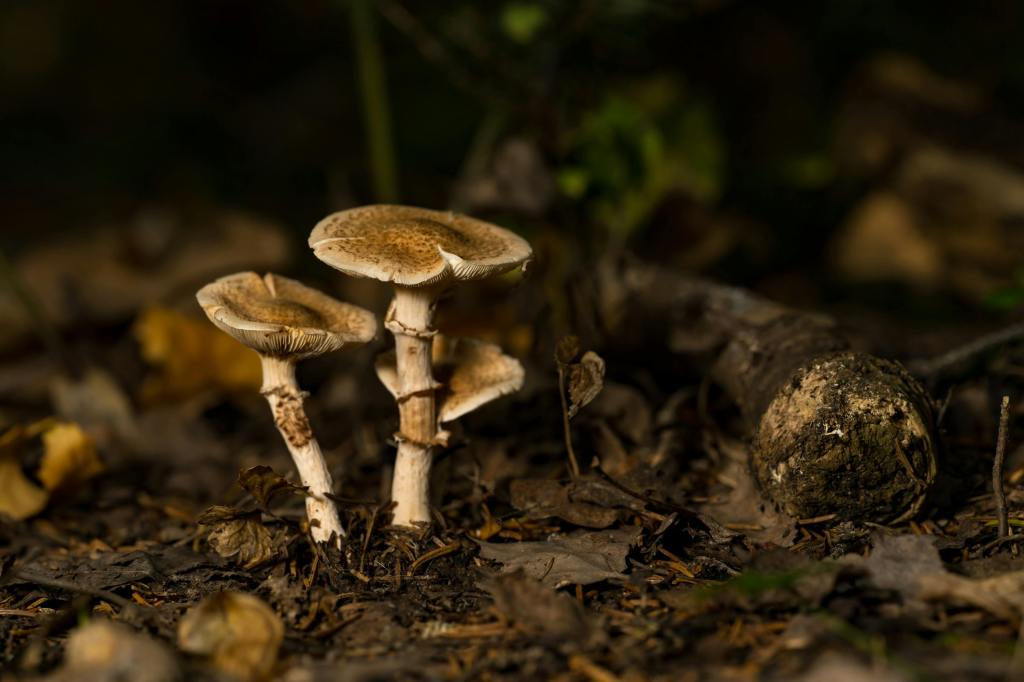
What does “Biodiversity” even mean?
Biodiversity is…..
A flower.
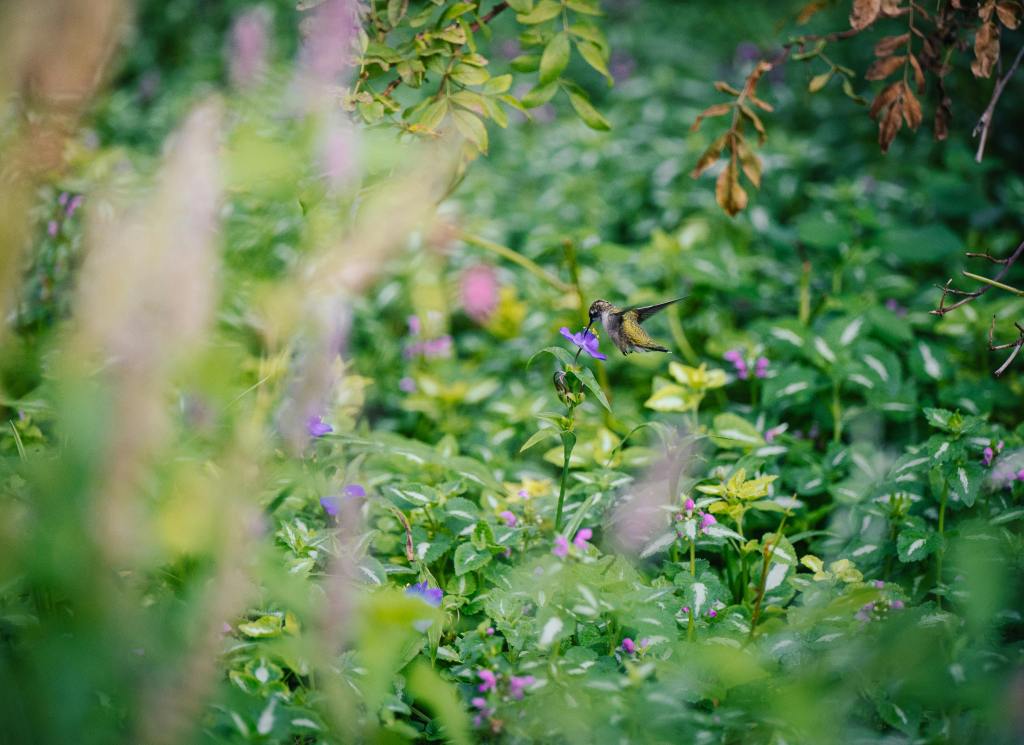
A Bee.
A worm.
Or even the microbes in our soil.
Simply put, biodiversity is the variety of life on Earth. However, it is more than just a collection of different species; it is the backbone of our ecosystems and a critical resource for human survival.
From the air we breathe to the food we eat, biodiversity plays an essential role in maintaining the health of our planet and the well-being of all of its inhabitants. So understanding its significance, and taking action to protect it is absolutely imperative for a sustainable future.
High biodiversity contributes to ecosystem stability, resilience, and functionality. Each species plays a unique role, and the loss of one can disrupt the entire system, leading to unforeseen consequences. Have y’all ever heard of “the butterfly effect”? In ecosystems, species interact in complex ways, and the loss of even the smallest one can trigger cascading effects—similar to how a small change can lead to significant outcomes in the butterfly effect.
Why Does Biodiversity Matter?
1. Ecosystem Services
Biodiversity provides vital ecosystem services that support human life, this includes:
- Pollination: Many crops depend on pollinators like bees, butterflies, and birds. Healthy populations of these species ensure food security.
- Water Purification: Diverse ecosystems, particularly wetlands and forests, filter pollutants and help maintain clean water supplies.
- Soil Fertility: Various microorganisms, plants, and animals contribute to nutrient cycling and soil health, essential for agriculture. It all starts in the soil.
- Food: Each of us relies on various food sources to stay alive, including fish in the sea, insects, or mammals on land!
2. Resilience to Change
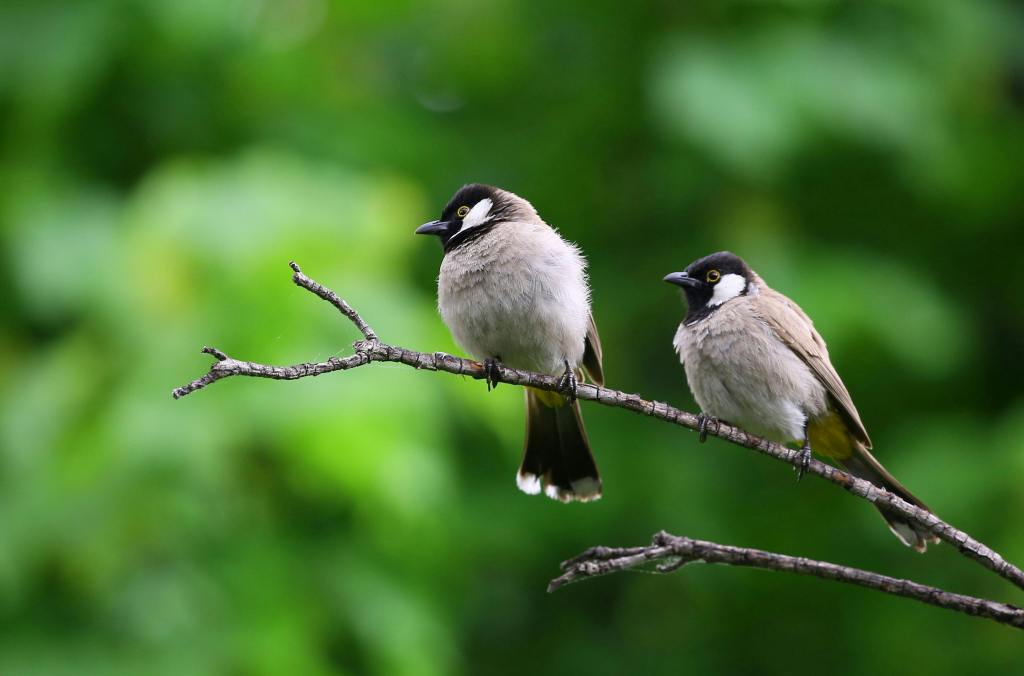
Nature Serve‘s 2023 annual report stated that “With the extinction of each species comes the loss of unique genetic diversity and natural history that evolved over millions of years. The extinction of a species also means the loss of ecological function, including disruption to food webs and the cycling of nutrients. This can lead to a domino effect of consequences for entire ecosystems. Given our dependence on the many services that ecosystems provide—such as pollination, water filtration, medicines, and pest control—humans are far from immune to these consequences.
Ecosystems rich in biodiversity are more resilient to environmental changes, such as climate change, disease outbreaks, and invasive species. A diverse array of species can adapt to changing conditions, ensuring the stability of ecosystems and the services they provide. The decline in biodiversity can reduce resilience and adaptability, potentially leading to ecological collapse.
3. Medicinal Resources
Many modern medicines are derived from plants and animals found in diverse ecosystems. According to the University Of Texas, “some 40% of prescription drugs are substances originally extracted from plants, animals, fungi and microorganisms. Well-known products involving endangered and threatened species include tiger bone, rhino horn, sea turtle shell, and bear bile.
Biodiversity is a treasure trove of potential medical discoveries. Preserving it means safeguarding future advancements in healthcare and treatments for various ailments.
4. Cultural and Recreational Value
Biodiversity enriches our lives in countless ways. It shapes our cultures, inspires art and literature, and provides recreational opportunities. Natural landscapes foster mental well-being and a sense of connection to the world around us.
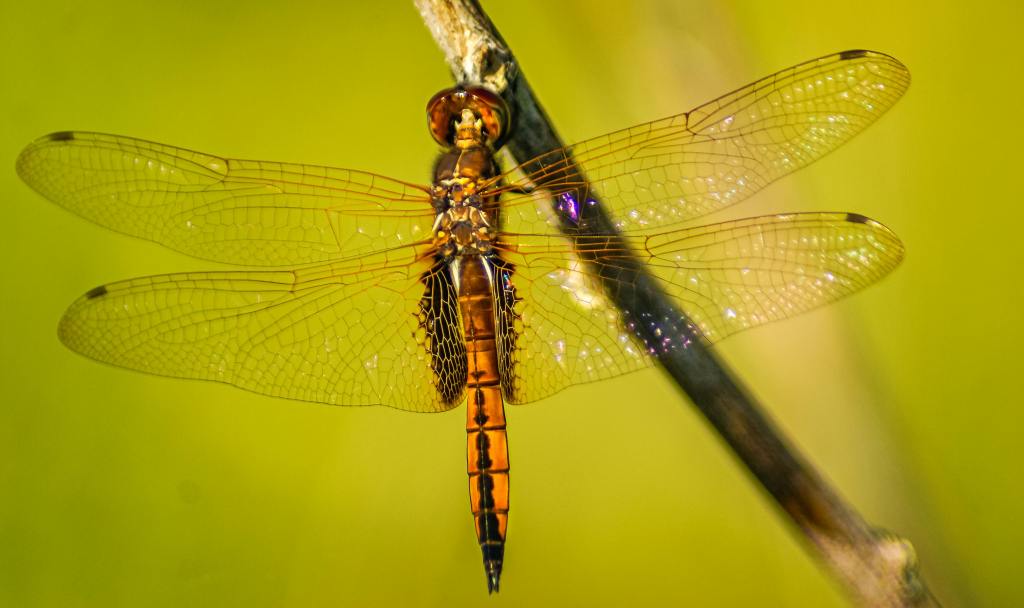
Here’s how we can help build biodiversity –
1. Supporting Sustainable Practices
Whether through personal choices or community engagement, supporting sustainable agriculture, forestry, and fishing practices can have a significant impact. Look for organic, local, and sustainably sourced products to reduce the pressure on ecosystems.
2. Create Wildlife-Friendly Spaces
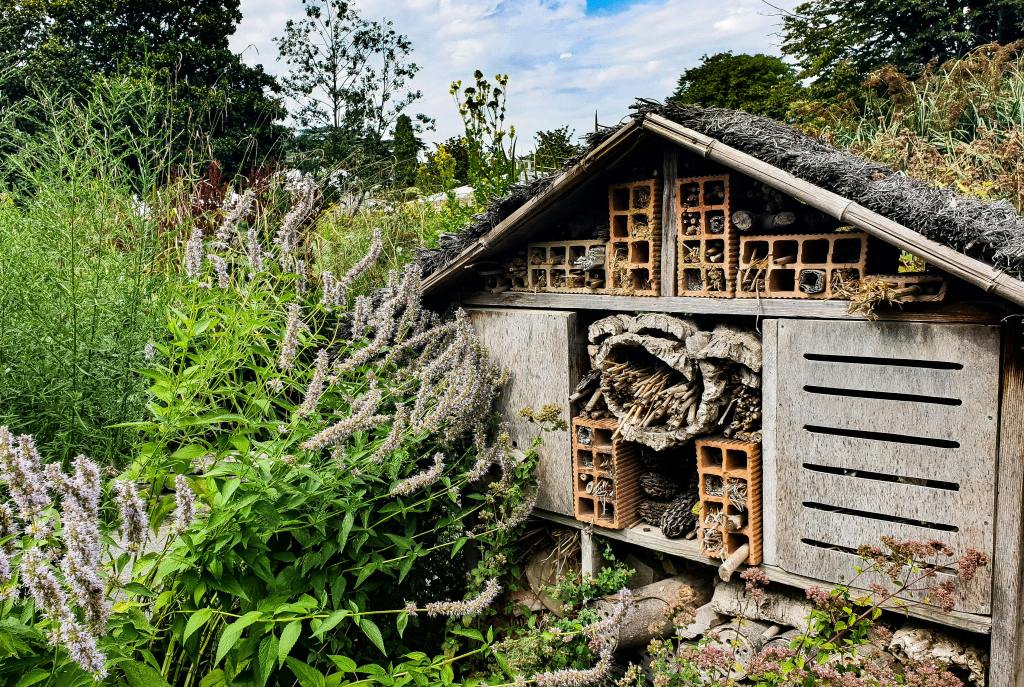
You can help by making your yard or community spaces more welcoming to wildlife. Plant native species, provide food sources, and create habitats like birdhouses or bee hotels. Small changes can have a big impact on local biodiversity.
3. Reduce, Reuse, Recycle
This seems like it shouldn’t have to be said…. But obviously, this is a massive way to help sustain our working ecosystems. Minimizing waste reduces habitat destruction caused by landfills and pollution. By adopting a more sustainable lifestyle through recycling and reducing consumption, you can contribute to preserving natural habitats.

4. Advocate for Conservation
Advocacy can take many forms, from volunteering for local environmental groups to contacting lawmakers about important conservation issues. Or you could support conservation organizations and initiatives that help to protect habitats and endangered species in your local community.
The best way we can counteract the decline in biodiversity is simple… We do exactly that. As the National Wildlife Federation states “Because habitat loss and degradation are the main causes of species declines, the strategy emphasizes protecting, restoring and connecting core wildlife habitats across America, with a focus on protected natural areas, waters, working lands and communities.”
We emphasize conserving and rebuilding natural habitats. This could mean a variety of things like leaving the fall leaves on the ground all winter to provide a safe shelter for winter-dwelling insects, frogs, and small mammals. It could mean adding insect hotels like the one below—which you can buy off Etsy or make yourself!
5. Educate Yourself and Others
Knowledge is a powerful tool in the fight for biodiversity. Learn about local ecosystems, the species they support, and the challenges they face. Share this information with friends, family, and your community to raise awareness and inspire action.
6. Participate in Citizen Science
Engage in citizen science projects that contribute to biodiversity research and monitoring. Apps and websites allow you to report sightings of plants and animals, helping scientists gather valuable data about species distribution and health.
Here are some amazing resources if you’re interested in helping!
SciStarter Discover local projects that help scientists study ecosystems by collecting data from people like you and me. You can do things like track bird migration, share stargazing observations, or document plant species in your area!
Zooniverse is “the world’s largest platform for people-powered research. We connect professional researchers with millions of volunteers worldwide, facilitating real results from impractical or otherwise impossible research. “
Kickstarter has some great biodiversity-based projects that are in need of some financial assistance if you have the extra funds to donate.
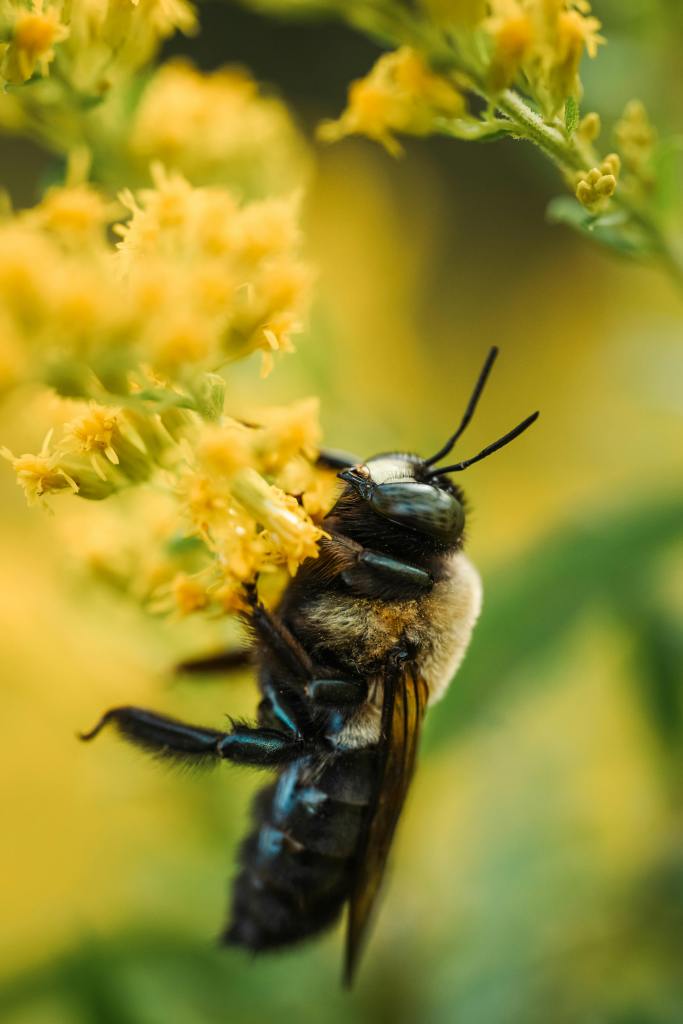
Biodiversity is vital for our planet’s health and humanity’s survival. Understanding its importance and taking actionable steps to protect it can ensure a vibrant, resilient world for future generations. Every small effort counts, and together, we can make a significant impact in preserving the rich tapestry of life that sustains us all. Let’s take responsibility and act to protect the incredible diversity of our natural world!
If you’re interested in learning more…
 Native Grounds Farm
2 Comments Add yours