
In recent decades, genetically modified organism (GMO) seeds have become a dominant force in modern agriculture. While they are often promoted as solutions for increasing crop yields and providing pest resistance, their long-term impacts on the environment, food systems, and human health raise significant concerns. In contrast, non-GMO seeds—those that have not been genetically altered in a laboratory—play an essential role in maintaining biodiversity, ensuring food security, and promoting sustainable farming practices. In this blog post, we will explore what GMO seeds are, the risks they pose, and why it is crucial to support and preserve non-GMO seeds for future generations.
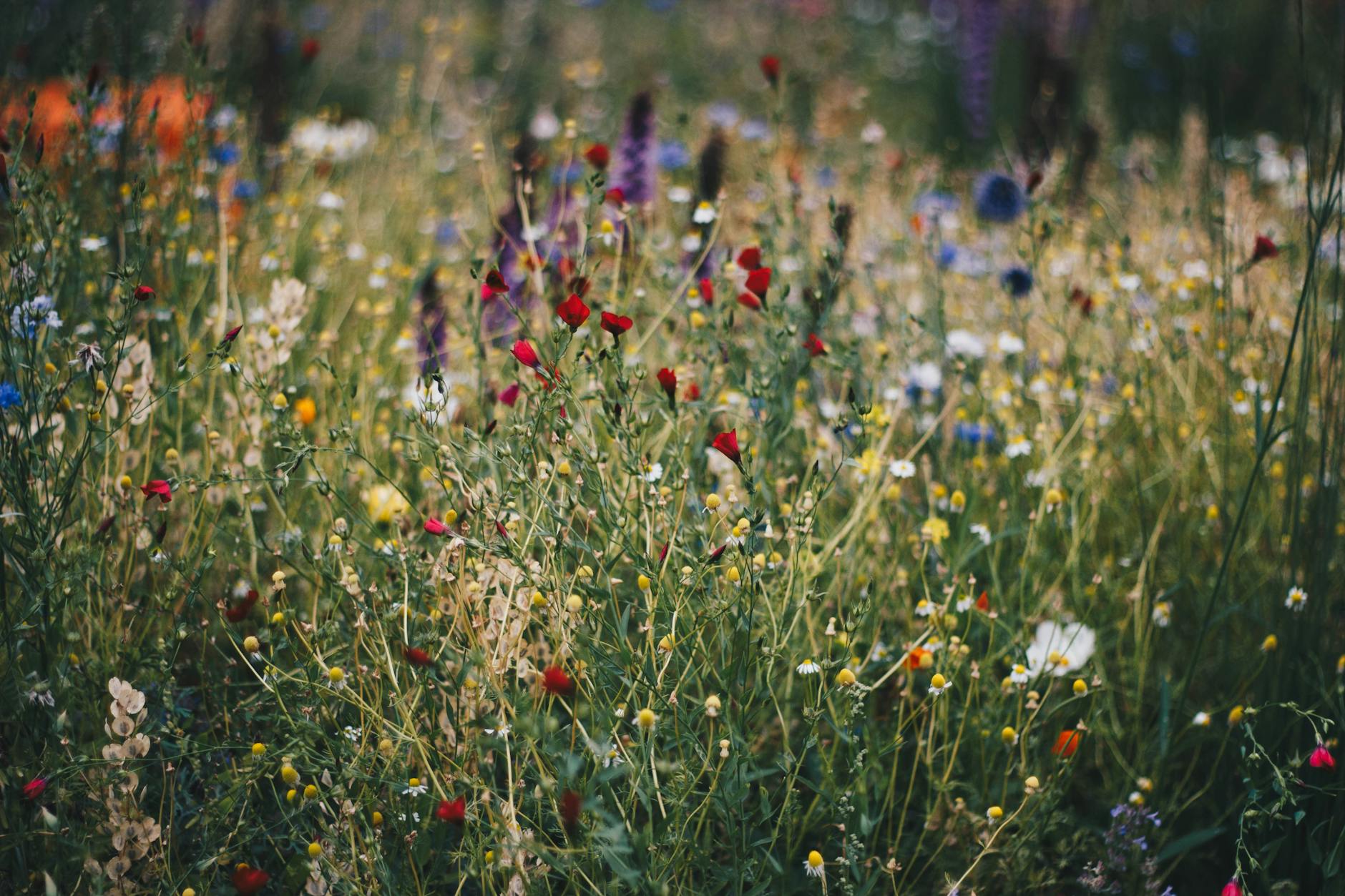
What Are GMO Seeds?
GMO seeds are developed through genetic engineering, a process that alters the DNA of a plant to introduce specific traits, such as resistance to pests, tolerance to herbicides, or improved shelf life. Unlike traditional plant breeding, which involves selecting desirable traits through natural reproduction, genetic modification directly manipulates an organism’s genetic material in a laboratory setting. Some of the most commonly genetically modified crops include corn, soybeans, cotton, and canola, which are primarily cultivated for large-scale industrial agriculture.
The Risks & Concerns of GMO Seeds
While GMO seeds are often praised for their efficiency, they come with a host of concerns:
- Environmental Impact: The widespread use of GMO seeds has led to an increase in pesticide and herbicide use, as many GMO crops are designed to withstand chemical applications. This contributes to soil degradation, water pollution, and harm to pollinators like bees and butterflies.
- Health Concerns: While the long-term effects of consuming GMO foods remain debated, some studies suggest potential risks, including allergic reactions and antibiotic resistance.
- Corporate Control & Farmer Dependency: Large agribusinesses patent GMO seeds, meaning farmers must repurchase them each season rather than save seeds for the next harvest. This creates economic hardship and dependency on seed corporations.
- Threat to Biodiversity: As GMO crops dominate large-scale agriculture, traditional and heirloom plant varieties are being lost, reducing genetic diversity and making our food system more vulnerable to pests, diseases, and climate change.
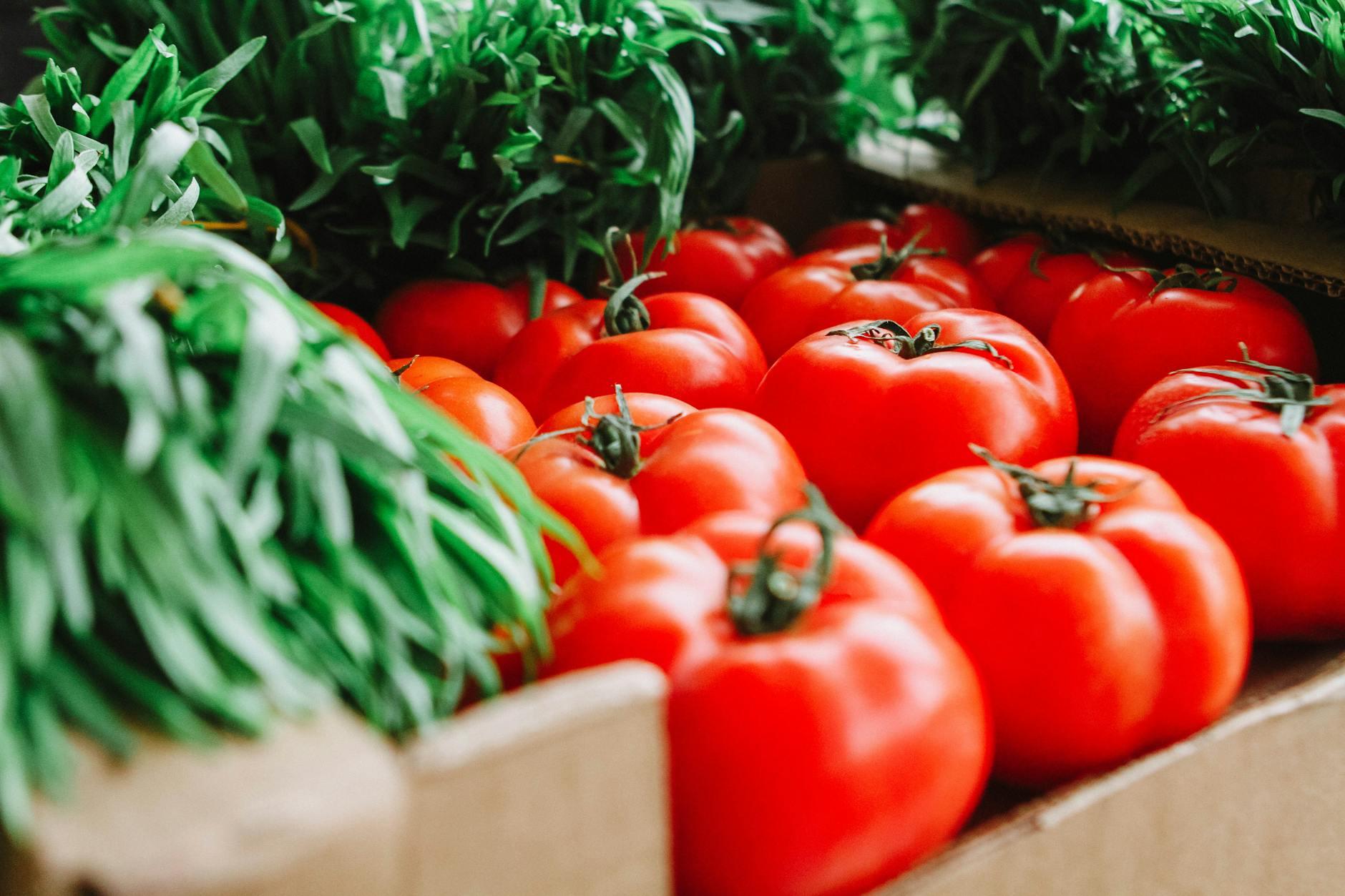
Why Saving and Supporting Non-GMO Seeds Matters
To ensure a resilient and sustainable food system, it is essential to preserve and support non-GMO seeds. Here’s why:
- Preserving Biodiversity: Natural, non-GMO seeds maintain a diverse gene pool, which is crucial for adapting to changing environmental conditions and pests.
- Protecting Small Farmers: Non-GMO seeds allow farmers to save, exchange, and replant their own seeds, promoting self-reliance and reducing dependency on large corporations.
- Maintaining Soil Health: Traditional and organic farming methods using non-GMO seeds often promote better soil health by avoiding excessive chemical inputs.
- Superior Taste & Nutrition: Many heirloom and non-GMO crops are richer in flavor and nutrients compared to their genetically modified counterparts.

How to Support and Save Non-GMO Seeds
If you want to contribute to seed sovereignty and sustainable agriculture, here are some steps you can take:
- Buy from Trusted Non-GMO Seed Suppliers: Support companies and farms that specialize in organic, heirloom, and non-GMO seeds. (Some great seed companies that offer Non-GMO seeds include: Living Seed Company, Burpee, Johnny’s Seeds, and Seed Savers Exchange. )
- Participate in Seed Saving & Exchange Networks: Engage in community-based seed swaps to preserve and share traditional plant varieties.
- Support Organic & Regenerative Farming: Purchase food from local farmers who use sustainable, non-GMO practices.
- Educate Yourself & Others: Spread awareness about the importance of preserving non-GMO seeds and the dangers of corporate-controlled agriculture.
Supporting The Health Of Our Agricultural System
The future of our food system relies on the choices we make today. By supporting and saving non-GMO seeds, we can help preserve biodiversity, protect small farmers, and promote a healthier environment. Every seed we save contributes to food security and resilience. Let’s commit to growing, saving, and sharing non-GMO seeds for the well-being of our planet and future generations.
If you are interested in learning more –
Understanding Biodiversity: Why It Matters for Our Planet
 Native Grounds Farm
One Comment Add yours