
In a world where food often travels thousands of miles before reaching our plates, and soil health is declining faster than we can replenish it, a quiet revolution is taking root—regenerative farming. This movement isn’t just about growing food; it’s about healing land, nourishing communities, and redefining our relationship with nature.
What Is Regenerative Farming?
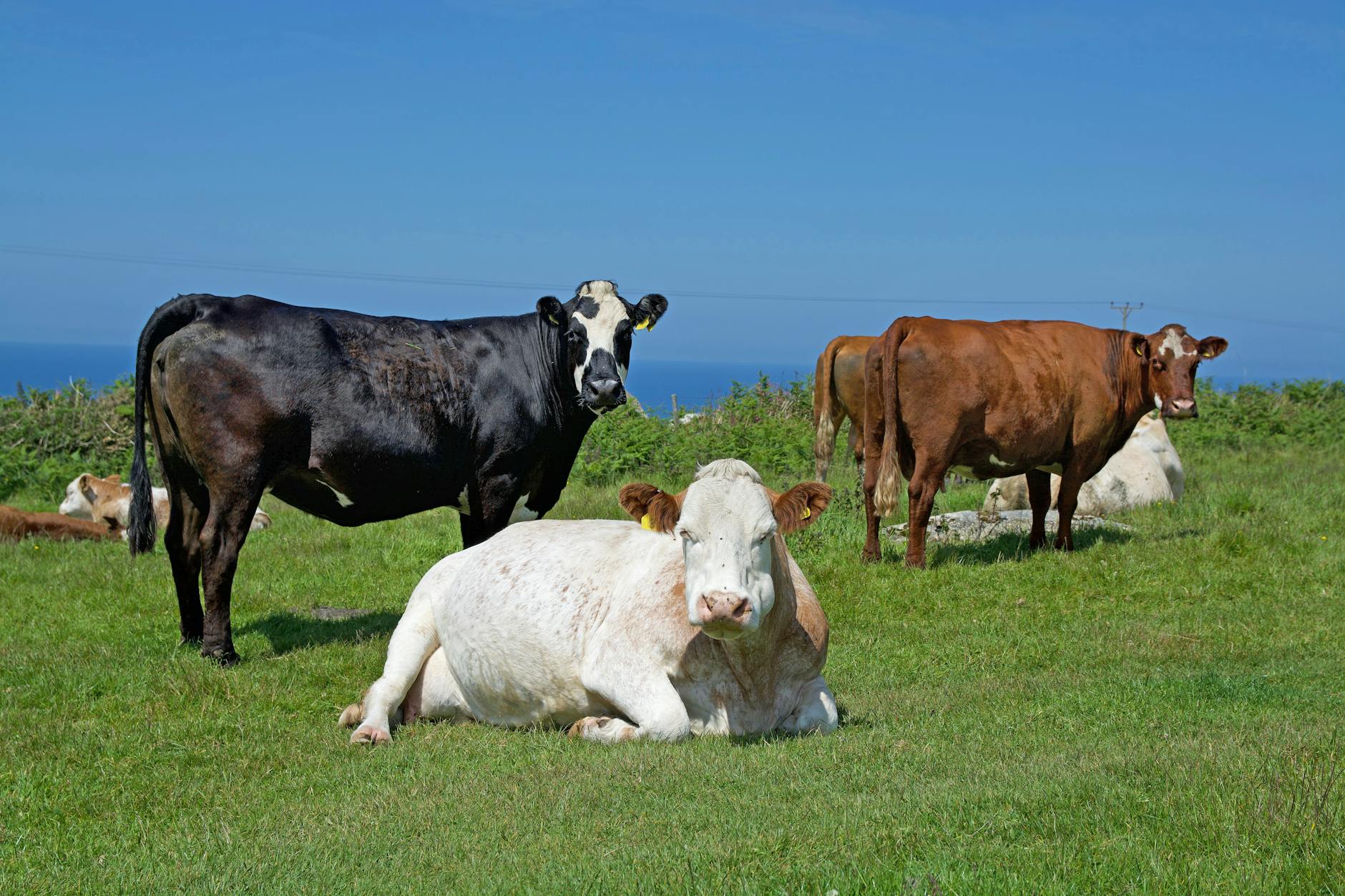
Regenerative farming goes beyond sustainability—it’s about improvement. It’s a system of agriculture that rebuilds soil health, restores biodiversity, sequesters carbon, and supports clean water systems. Unlike conventional farming, which often strips the land of its natural resources, regenerative practices like no-till planting, cover cropping, composting, and rotational grazing give back to the earth more than they take.
What Regenerative Farming Looks Like

- Uses cover crops, compost, and reduced or no tillage to foster living, nutrient-rich soil.
- Grows diverse crops through rotation, intercropping, and polycultures.
- Encourages native plants, pollinators, and beneficial wildlife.
- Practices include managed or rotational grazing that regenerates pastures and cycles nutrients.
- Relies on natural fertility and pest control instead of synthetic fertilizers and chemicals.
- Sequesters carbon in soil and biomass through healthy ecosystems.
- Builds soil organic matter to hold water and reduce runoff.
- Utilizing compost tea or fermented plant juices instead of synthetic fertilizers enhances soil health.
- Design landscapes (e.g., swales, contour planting) to naturally manage water.
- Mimics natural cycles by recycling nutrients, energy, and waste on the farm.
- Encourages fair labor, local markets, and farmer autonomy.
- Agroforestry: Incorporating trees and shrubs into fields boosts biodiversity and provides shade.
- Adding compost and organic matter: This practice feeds soil biology and increases carbon storage.
According to the USDA’s Natural Resources, regenerative practices increase soil organic matter and microbial diversity, enhancing nutrient cycling, improving water retention, preventing erosion, and supporting wildlife habitats. The USDA’s Natural Resources Conservation Service (NRCS) notes that such systems help farmers reduce input costs, save on labor and fuel, and provide wildlife habitat.
What Conventional Farming Practices Look Like
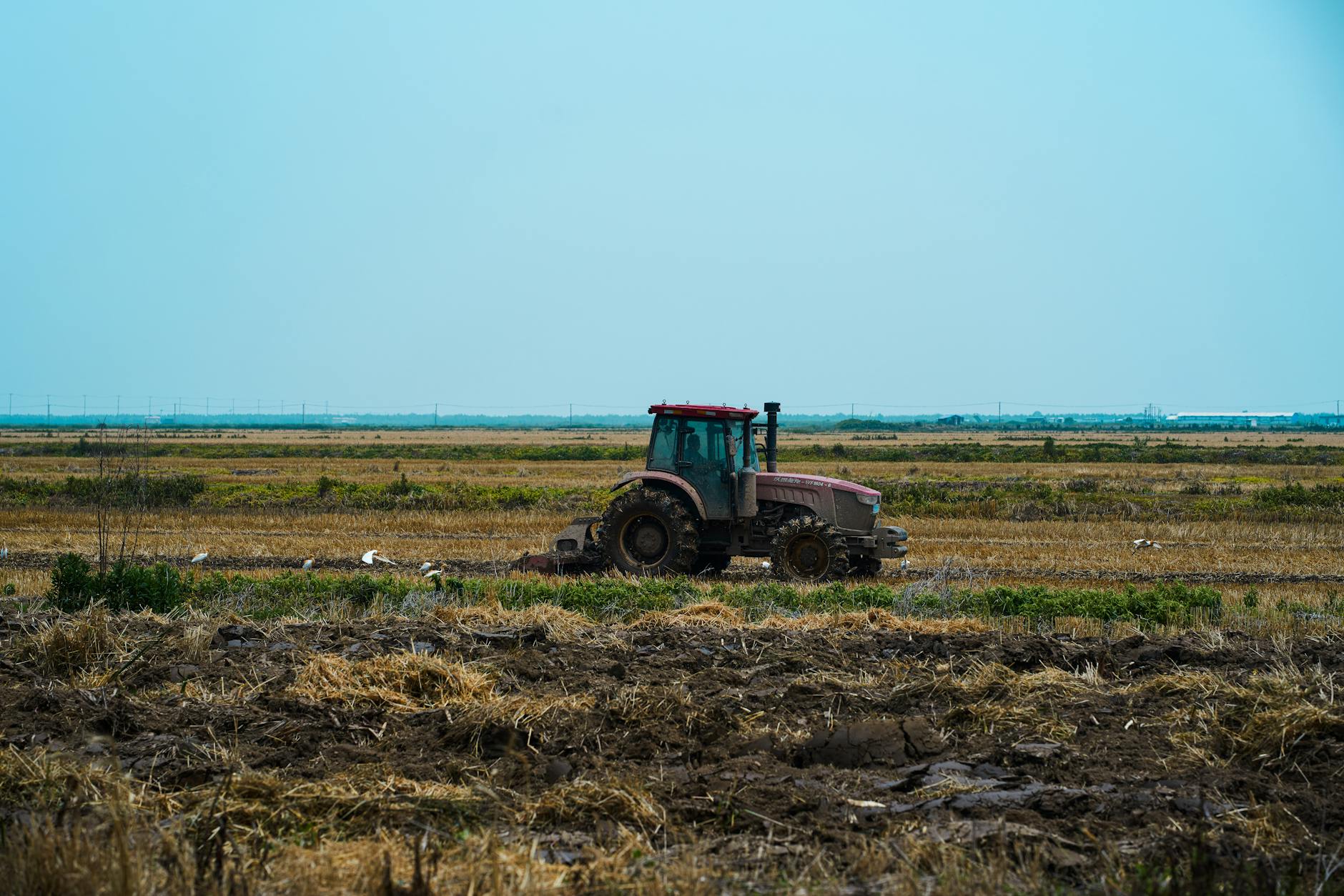
- Deep tillage that disrupts soil structure and leads to erosion.
- Monoculture cropping (e.g., vast fields of a single crop like corn or soybeans)
- Heavy reliance on chemical fertilizers and pesticides.
- Bare soil between planting seasons increases erosion and runoff.
- Confined animal feeding operations (CAFOs) separate animals from crop systems.
- Deforestation for expanding farmland.
- Export-driven production rather than local food systems.
- Irrigation overuse without soil moisture retention strategies.
- GMO seed dependency and corporate seed patents.
- Low biodiversity makes the system more vulnerable to pests and diseases.
“At Native Grounds Farm, we see every field as a living ecosystem. We believe in growing food in harmony with nature, without synthetic chemicals or practices that degrade the land. The result? Healthier soil, stronger crops, and food that nourishes both people and planet.”
Why Supporting Local (and Organic) Farmers Matters
When you choose to buy from your local farmers, especially those who grow organically or regeneratively, you’re doing more than just shopping. You’re investing in:
- Cleaner food that’s free from harmful pesticides and GMOs
- Fresh produce with higher nutritional value
- Stronger local economies that support small family farms
- A healthier environment – from reduced carbon emissions to cleaner waterways
- Reduce your environmental footprint – Less transport means fewer emissions and fresher food
Buying from local farmers who use natural, regenerative practices isn’t just a choice—it’s a powerful act of renewal. These farmers nourish the land instead of depleting it, protect biodiversity, and grow food that’s truly alive with flavor and integrity. Every dollar you spend with them supports healthier soil, cleaner water, fairer food systems, and more resilient communities. In a world facing ecological and social challenges, choosing local and natural is one of the most direct, meaningful ways to be part of the solution.
Every dollar spent at a farmers market, farmstand, or local CSA is a vote for a better food system—one that values people, soil, and future generations over profit margins.
The Power of One Small Step
It’s easy to feel overwhelmed when we think about climate change, soil degradation, and food insecurity. But here’s the truth: change starts small. Maybe it’s planting a garden. Visiting a local farm stand. Swapping out one grocery store item for a locally grown, organic one. Sharing a meal made with love and intention.
“But my personal choices can’t possibly make a difference for the better.”
I gotta say, I admit to using this phrase a time or two in my lifetime… And maybe you have as well. Let me offer you a new perspective.
Imagine you’re in a massive cave—pitch black. You can’t see a thing. Now, imagine someone lights a single candle. Just one tiny flame.
Suddenly, the darkness isn’t complete anymore. You can see the ground beneath your feet. You can see the people around you. Then, someone else lights their candle from yours. Then another. And another.
Soon, that entire cave is glowing—not because of a single floodlight, but because one person lit their flame, and others followed.
Saying, “I’m just one person, my choices can’t make a difference,” is like standing in that cave with an unlit candle, refusing to strike the match-while the people around you wait for someone to go first.
Every movement starts with one small act. Progress isn’t made by millions acting perfectly at once—it’s made when one person chooses to act and inspires the next. These choices may seem minor, but they create ripples. Ripples become waves. And waves shape the future.

Take A Stand
Regenerative farming isn’t just a method. It’s a mindset—a commitment to restoration, resilience, and respect for the natural world. When we support it, we’re not only choosing better food. We’re choosing hope.
So whether you’re a seasoned homesteader or just learning where your food comes from, remember: every step counts. Together, we can cultivate a more sustainable, connected, and thriving world—one seed, one meal, one choice at a time.
 Native Grounds Farm