
So you want to start a vegetable garden to feed your own family (Or to sell at a farmers market) but just don’t know where to start? Well, you’re in the right place! Use this guide to help you plan and build an efficient veggie garden to feed you, your family, and your neighbors!

What are the benefits of growing your own food?
“When gardeners garden, it is not just plants that grow, but the gardeners themselves.” Ken Druse
There are tons of reasons why growing your own food is the way to go! Some of them include:
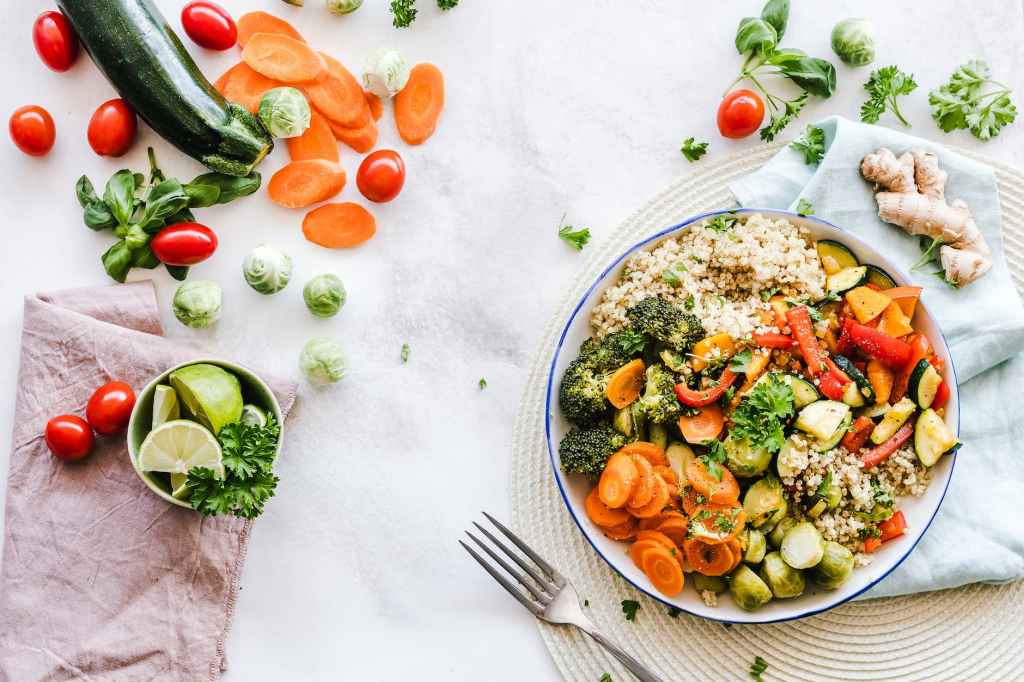
-The food tastes better!
Here’s the deal… High-production farmers are limited to the types of produce and crops they can grow and sell to the market. This has to do with production efficiency, shelf life, and characteristics of the product that are expected as a consumer. This means your local grocery store only stocks specific varieties of produce.
When I found just how many kinds of our basic fruits and veggies are out there- my mind was blown! Did you know that there are 7,500 (and counting) different varieties of apples? They are all bred to have different tastes and qualities. I think part of the fun is exploring different options! Maybe it isn’t that you “don’t like broccoli” but that you just haven’t tasted the right variety yet!
-Saves you money!
One big reason why it is so great is that it saves you money on groceries! Starting a garden does not have to be an expensive project. You can start with little to nothing and still be able to grow your own food and sustain your family! Seeds are very affordable and with a little patience- you could be doubling the quantity of produce in your kitchen- while also slashing food costs in half!
It’s important to consider how much produce you and your family can eat. You don’t want any of your harvest to go to waste!

-It is eco-friendly!
Gardening is a sustainable practice. By starting your own- you contribute to the environment in very positive ways! For starters, we all know that plants absorb CO2 out of the air while simultaneously expelling oxygen back into the atmosphere. This means that you are literally helping clean the air!!!
By maintaining a dense cover of plants and mulch, you can prevent soil erosion and the flow of sediment into our water sources.
“When you grow your own food, you help reduce food waste. In the United States alone, a staggering 108 billion pounds of food are wasted each year. Additionally, if you don’t buy from the mass market, you’re not contributing to the huge amount of fossil fuels required to transport that food to your table.”

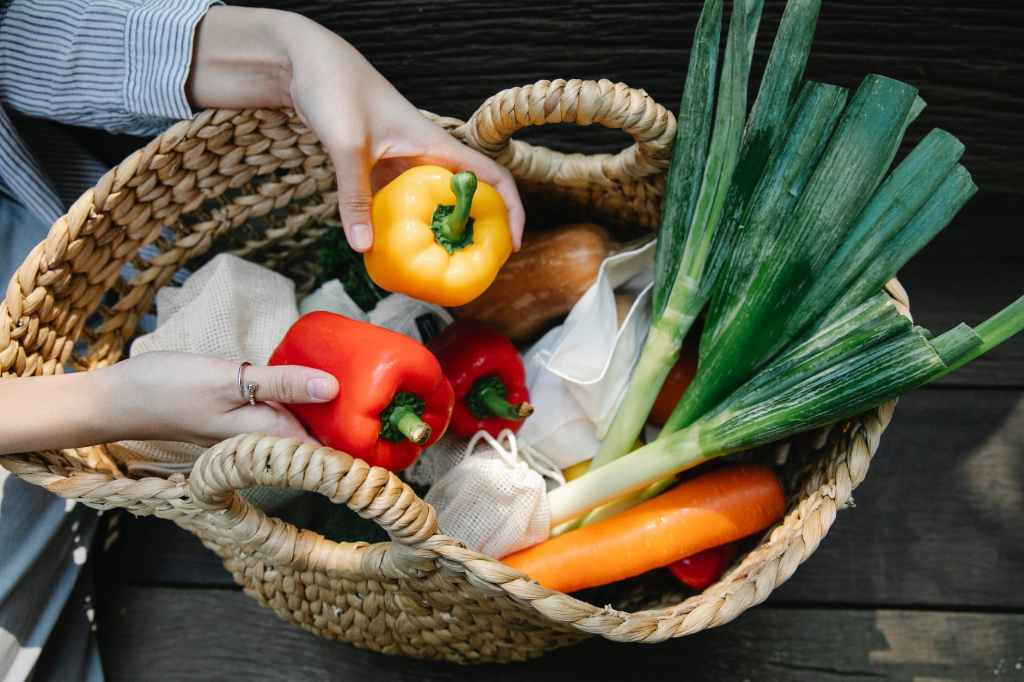
-Improve your health!
Understanding the origin of your food is crucial information. During the entire process, from planting to selling, produce at grocery stores can be exposed to various pesticides, germs, and pathogens. However, growing your own produce can eliminate these concerns and provide you with peace of mind.
Spending time in the sun and digging in the soil has many benefits. It increases your levels of vitamin D and exposes you to beneficial environmental factors that can boost your immunity. Moreover, gardening is an excellent form of exercise!
Having unlimited access to fruits and vegetables makes it easier to incorporate them into your meals, leading to healthier eating habits.
So now that we understand why gardening is so great- Let’s explore how to start one!
- Find the space- The first thing to think about is where you want to place your garden. There are a few factors to consider such as light, access to water, and flat terrain. You want to find a spot outside that is free of blockages. Trees, shrubs, etc. And it’s preferable to place it facing north to south. This allows your crops to get optimal light- which in turn yields optimal results for harvest. There are multiple options for beds, so there is most definitely something you can incorporate into your home. You can build a raised bed for relatively cheap, start a plot in your yard, or even do some container gardening! Something super cool is that you can plant more produce in containers than you might believe. I live in an RV full time and gardening was one thing I just wasn’t willing to give up on the road. I grew strawberries, carrots, all sorts of peppers, and way more! Every single plant I have (which is… a lot.) is thriving in containers! You just have to check the space requirements and plan accordingly. They even breed certain produce specifically for containers!
- Start with great soil- This is such an important one. The whole process of planting starts with loamy, dark, soil that is rich with life. If you have less-than-ideal soil types such as clay- don’t worry! Soil can be amended by using compost! Compost is rich in minerals and beneficial microbes that can regenerate your growing medium into the best shape it can be. You can buy compost at your local nursery, or make your own!! If you would like to know more about how to start your own compost- drop a comment below and I’d be happy to help out!
- Plan your layout- Before you buy all your seeds/seedlings, it’s important to think about how exactly you want to lay out your crops. Some plants work very well together, while others might attract problems in the garden. There are two ideas that I want to talk about today: succession planting and companion planting. Succession planting- in short- is a practice that you can use so that you guarantee you have food all year round. This means instead of plopping all your seeds in the ground at once- you space them out over a period of time. Usually 7-21 days apart. This ensures that you will have a constant yield through the season. It also has to do with always using the space that you have laid out- so once your warm-season crops are done, you replace them with cold-season crops. Companion planting is the practice of sowing certain plants together to have better results in your harvest. Better yields, better taste, more space to grow, and even to deter certain pests that are attracted to those crops. A well-known example of this is- corn, climbing beans, and winter squash. The corn provides a trellis for the climbing beans which maximizes growing space, while the squash acts as a ground cover to keep the soil warm, and moist. There are TONS of great companion planting charts on the internet. A simple Google search will ensure that you are maximizing your space, time, and harvests.
- Consider water access- Something a lot of people don’t know is that there is a right and a wrong way to water crops. The right way includes watering very deep every few days, instead of watering a little every single day. This ensures that the water can go deep down to the roots and stay moist for longer. Another tip is that it is better to water the soil itself, instead of watering the entire crop. When you get the foliage wet, and it stays wet, it invites mold in to ruin your crops. This also makes it easier for plant disease to spread from one to the other- potentially ruining your entire garden.
- What to plant- It is important that you think about this if you don’t want to be wasting money. It’s easy to get excited and want to buy multiple different types of produce, but ultimately if the harvests don’t get eaten- it’s a waste. Think about what you and your family like to eat- and buy seeds that reflect that. I’m not saying not to experiment with other stuff- because finding something you never knew you LOVED is half the fun! Just be aware and prioritize the plants that you know you will use.
- Pest Prevention- A big thing to consider when starting your garden is pests. Pests are inevitable. Nothing hurts worse than waiting 3 months for your harvest- just to come out and find that a deer had a full-on buffet in your yard. Or maybe some cabbage worms completely desecrated your cabbages! Not to worry! There are some great techniques that lessen your chances of having this experience. First, you want a barrier between your food and wildlife. This can look like a fence around your garden or even a built frame around your plot. The important thing is that you can get in and out but they can’t! Secondly, you want to attract the beneficial insects to your garden. These insects include ladybugs, beetles, and yes… spiders! These little warriors will spend their time eating all of those pesky pests, which is a win for you! Some pests will have to be picked off by hand and transported away from your garden. This really is a matter of trial and error. Obviously, there are things like insecticides and pesticides you can use if you choose- but my preferred method of gardening is to keep it as natural as possible.
- Enjoy your harvest!- This part is my favorite! Once you have all your plants growing in the right space, with the right amount of light, in the right soil- you get to reap your the benefits of your hard work! Harvest all of your crops when they’re ready- and create a delicious, healthy meal out of them!
Now you are a pro!
So what are you waiting for? Don’t walk, RUN to your local nursery or hardware store and start your garden today! Starting small and getting the hang of things is the best way to ensure you gain that confidence as a gardener! I know you can do it!
Thank you for reading my content. If you have any questions at all please don’t hesitate to drop them down in the comment section and I will get back to you asap! Happy Gardening ❤
 Native Grounds Farm
Good tips in starting vegetable gardens. Thank you 🌍😊🙏
LikeLike
Thank you for reading! 🙂
LikeLiked by 1 person
You are welcome 🙏
LikeLike